
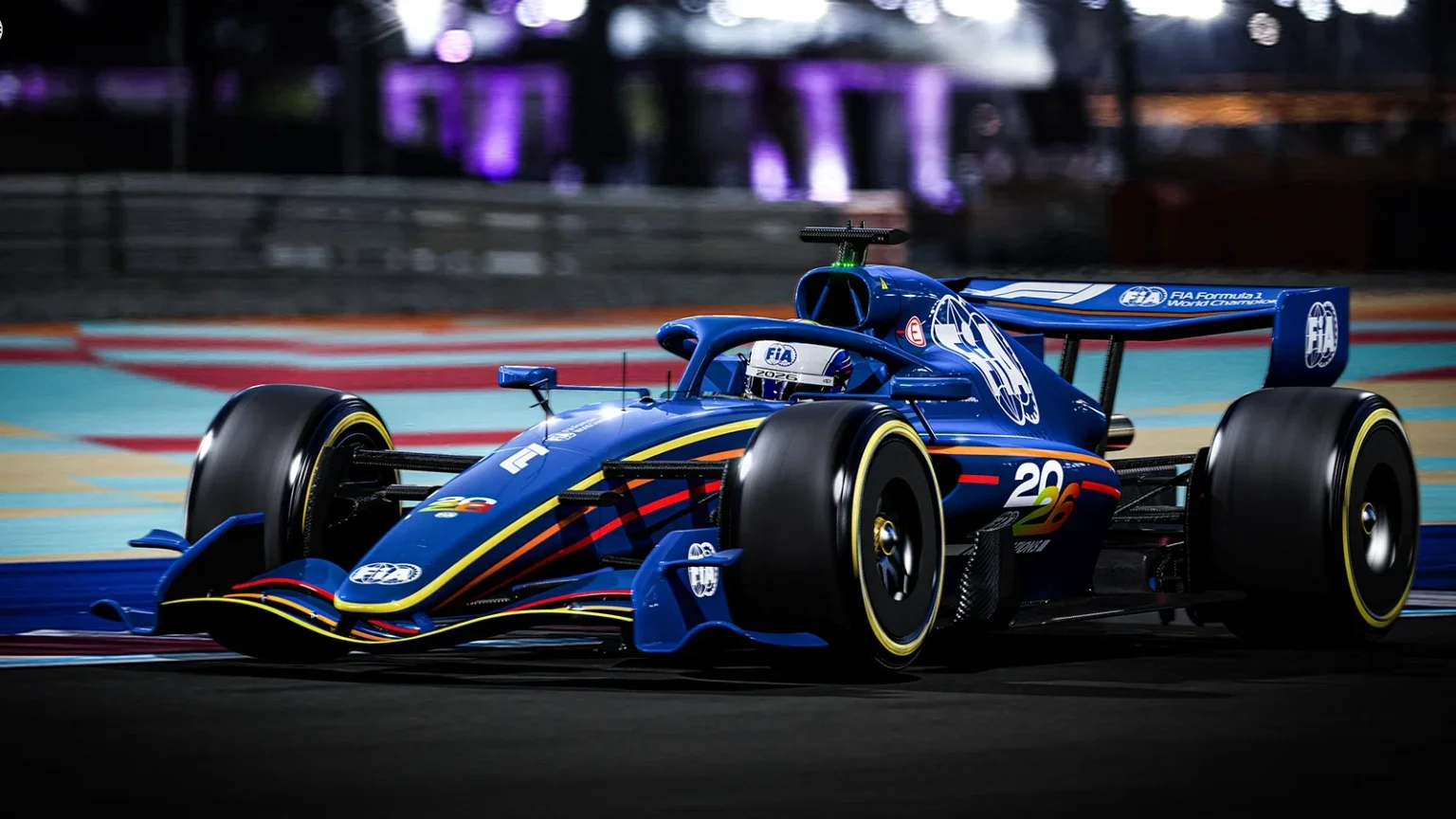

Several leading Formula 1 drivers have expressed reservations about the 2026 Formula 1 regulation changes, highlighting the significant mental adjustment required to adapt to new car technologies and questioning how these modifications might impact the sport’s genuine appeal. The reaction came during discussions at Spa, where the future technical direction of the sport was a primary focus.
The 2026 cars are set to introduce advanced electrification, lighter chassis, and more intricate energy management systems, fundamentally altering how drivers will interact with their vehicles on track. These developments represent a major shift in Formula 1’s technical framework and have sparked mixed feelings across the driver lineup.
Drivers Critique Complexity and Authenticity of New Car Features
Lance Stroll voiced his disappointment, describing the shift as departing from the Formula 1 experience that captivated him initially. Meanwhile, Carlos Sainz candidly shared his experience with the new car concepts in simulator sessions.
Very complicated. It occupies a lot of brain space while you’re driving,
said the Williams driver.
Sainz admitted that the initial experience is confusing, explaining that early on the sensations felt unnatural and questioning the necessity of constant adjustments:
“At the beginning, we’re all like: what the hell is going on here? Why do we need to do so much of this? Why is the car feeling different every lap?”
He acknowledged that with time, drivers will become accustomed to these changes but questioned whether this new norm will surpass the traditional racing experience.
But then, by the time we start racing with it, everything will feel more natural. The big question is whether that new normal is better than the old normal. That’s the million-dollar question. If we have to do six or seven switch changes through a lap, we’ll do them.
Lewis Hamilton Offers a Balanced Perspective on the Evolution
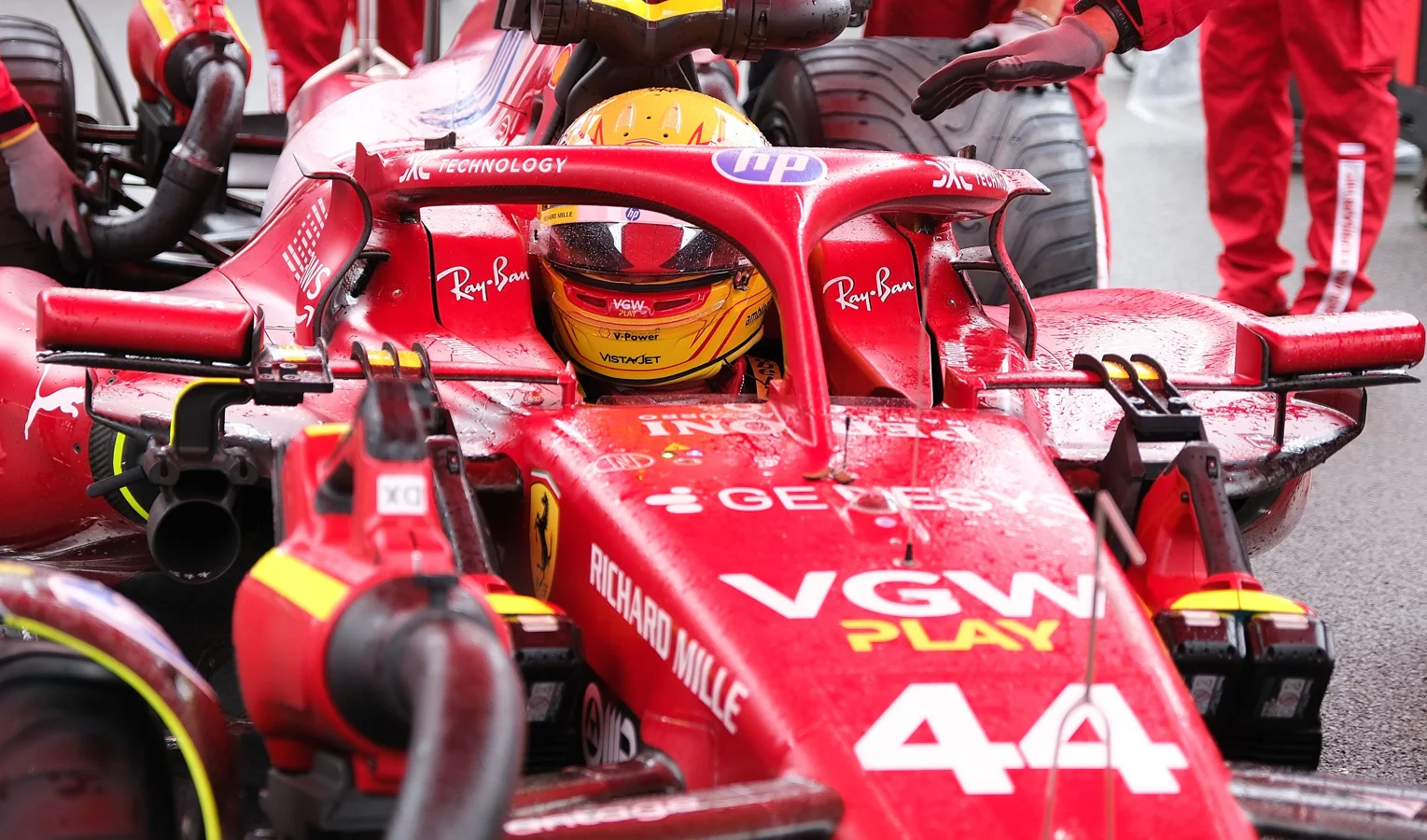
Lewis Hamilton, who successfully navigated the significant power unit change introduced in 2014, approached the regulatory updates with cautious optimism. He emphasized the innovative spirit of Formula 1 and the increasing role drivers may take in developing new power unit technologies.
For me, the thing I love about Formula 1 is that there are these changes. There’s so much innovation and development,
Hamilton stated.
He further elaborated on the driver’s enhanced influence regarding power usage and performance optimization with the new regulations.
I don’t really want to shut it down, because maybe things will be good. It could go either way – it could be good, it could be not so good, but only time will tell.
Lando Norris Warns Changes May Reduce Racing’s Thrill and Visual Impact
McLaren’s Lando Norris adopted a more critical stance, recognizing the new cars as
“good, but in a different way,”
while cautioning that some elements might detract from the excitement fans expect from Formula 1.
You brake sooner at the end of a straight, which makes it less impressive for the fans,
Norris explained.
He called attention to the risk of the sport feeling artificial or overly scripted, expressing a desire to maintain the straightforward thrill of driving at the limit.
I don’t want it to become too fake or scripted… I just want to drive, shift up, shift down, and be on the limit.
Despite his reservations, Norris remained hopeful about new challenges and opportunities provided by the fresh 2026 regulations.
Some things will be better, some not so much, but it’s a new challenge, and I’m really looking forward to that.
Implications of the 2026 Rules for Formula 1’s Future
The 2026 Formula 1 regulation changes promise to transform the sport with more complex technical demands, especially pertaining to electrification and energy management. This evolution challenges drivers to adapt rapidly while raising questions about whether the racing will maintain its visceral, thrilling nature or risk feeling artificial.
With leading figures like Lewis Hamilton open to innovation and others like Lance Stroll and Lando Norris expressing concerns, the sport faces a pivotal moment. The adjustments could redefine how fans and drivers experience Formula 1, shaping its identity and competitiveness for years to come.