
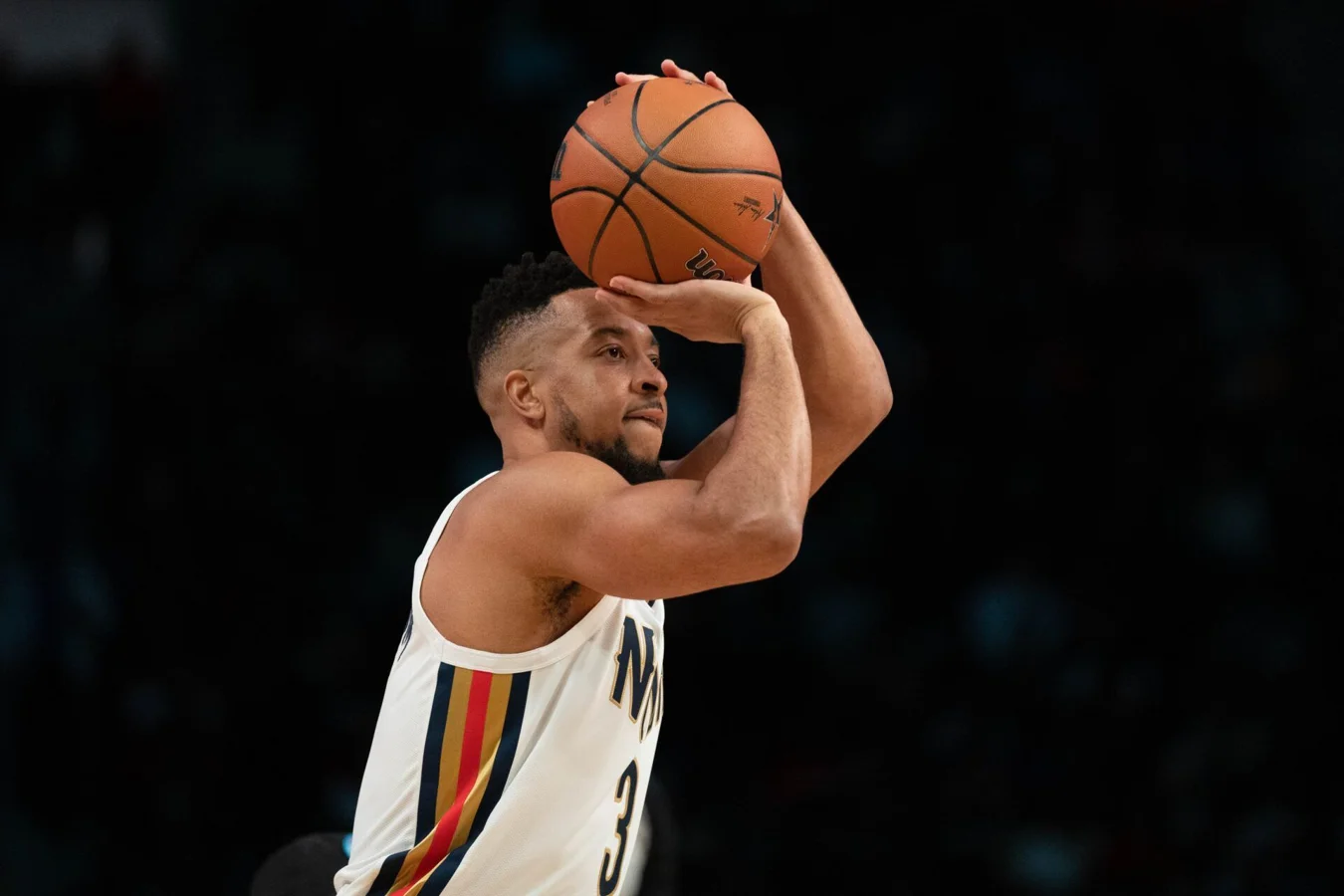

This summer, the Oklahoma City Thunder committed three maximum contracts to Shai Gilgeous-Alexander, Jalen Williams, and Chet Holmgren, all of whom signed multi-year deals with the franchise. The significant spending move has sparked intense debate concerning how future luxury tax penalties might affect the Thunder under the newly agreed Collective Bargaining Agreement (CBA), with a focus on the team’s ability to maintain its roster in coming years.
Under the updated CBA negotiated by the NBA owners and the Players Association, led notably by CJ McCollum, a new financial safeguard known as the “second apron” has been introduced. This provision limits team spending once a salary threshold is surpassed, aiming to restrict wealthy teams from accumulating talent by simply outspending others.
Financial Restrictions and Their Impact on Team Building
Although the second apron appears, on paper, to challenge Oklahoma City’s chances to hold onto its core players, Thunder General Manager Sam Presti clarified during his exit interview that the franchise will not become subject to the repeater tax associated with this rule until a new CBA is signed beyond the current term. This delay offers some breathing room before the Thunder must fully operate under the stricter financial constraints.
CJ McCollum addressed this dynamic on the podcast
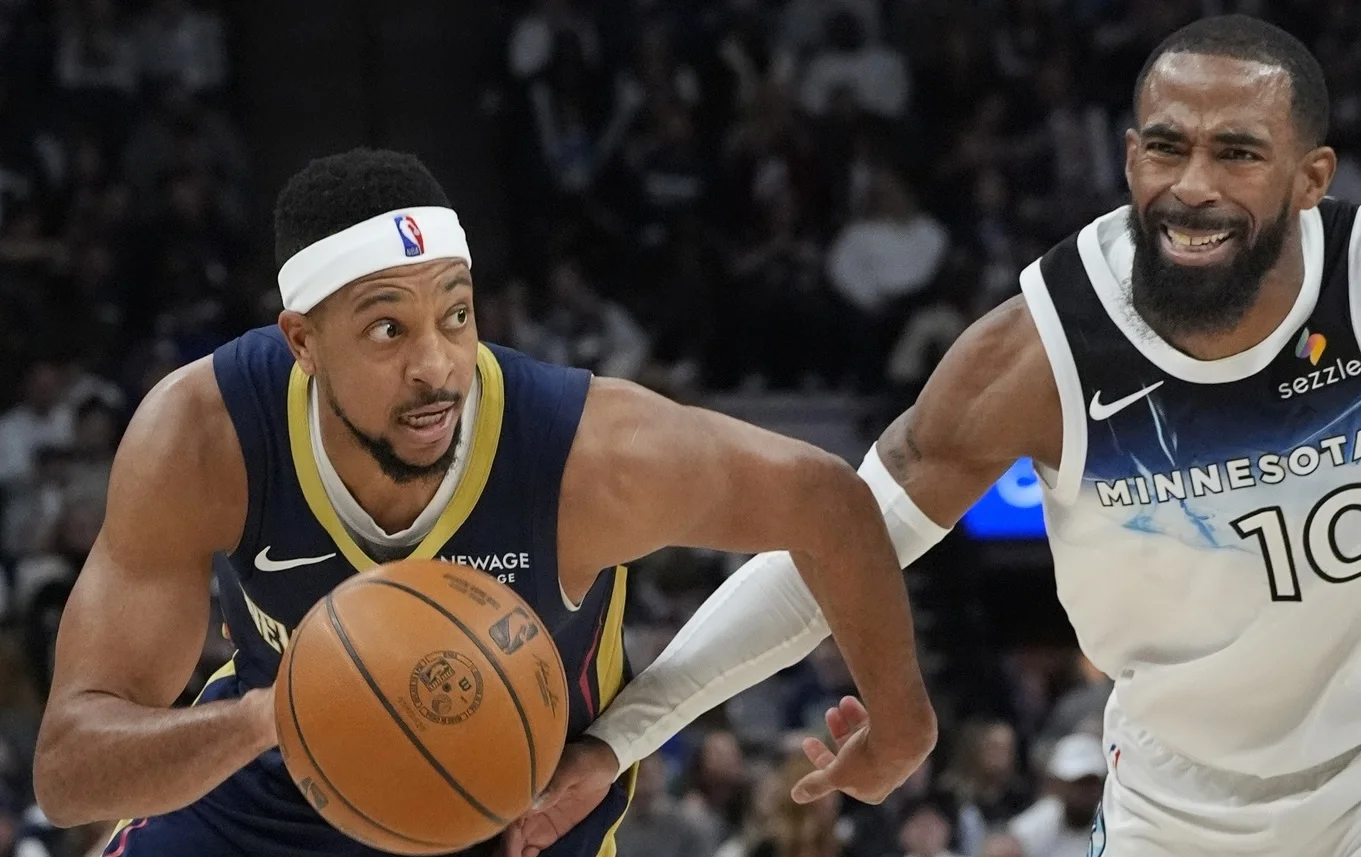
“The Young Man and the Three,”
where he responded to questions concerning the implications of the new CBA on teams like Oklahoma City. He explained the dilemma facing franchises that draft well and then must pay multiple talented players at once.
Like if you draft well, we have seen some teams be really fortunate in the draft, and now you get to that position that Oklahoma City is going through right now, where you gotta pay a lot of players who are really good and you drafted them,
McCollum explained.
You shouldn’t be punished for drafting well. You should be able to pay, and keep and retain the players that you drafted. When you have those windows where you really have a chance to compete and win a championship you shouldn’t have such severe restrictions. But those are things that the league and players union will have to continue to figure out.
His perspective emphasizes the tension between promoting competitive balance and rewarding successful team-building strategies through the draft, highlighting that existing limitations could discourage retaining homegrown talent during peak competitiveness.
What This Means for Future CBA Negotiations
Hearing the Players Association president directly voice concerns regarding the treatment of drafted players’ contracts signals a potential shift in upcoming negotiations. Fans and analysts may find reassurance in McCollum’s comments, suggesting that future agreements could include revised rules that treat contracts for drafted players differently in relation to team salary cap restrictions.
Both the NBA owners and Players Association hold an opt-out clause following the 2028-29 season, opening the door for renegotiations that could address these issues more effectively. The Oklahoma City Thunder, with their recent signings and current situation, will likely serve as an ongoing case study for the effects of the new CBA structure.
“You shouldn’t be punished for drafting well.” — Former NBAPA president CJ McCollum discusses the implications of the new CBA and things that need to change
— CJ McCollum, Former NBAPA President
Continuing Coverage and Insights
Rylan Stiles, credentialed media member and lead beat writer covering the Oklahoma City Thunder, provides regular updates and analysis through his work on the Locked On Thunder Podcast and Inside the Thunder. His insights capture the complexities faced by the team as it navigates the evolving financial landscape of the NBA under the new rules.
Our Reader’s Queries
Q. How did CJ McCollum get a collapsed lung?
A. A pneumothorax happened following a rib injury, but no link has been identified between them, according to Yahoo! Sports. Pneumothorax is often caused by chest injuries, lung diseases like COPD or LAM, and burst air blisters. It can also happen to people receiving mechanical ventilation.
Q. How tall was CJ McCollum at 14?
A. When he started as a freshman in 2005, he was quite small, measuring just 5 feet 2 inches (1.57 meters) tall.