
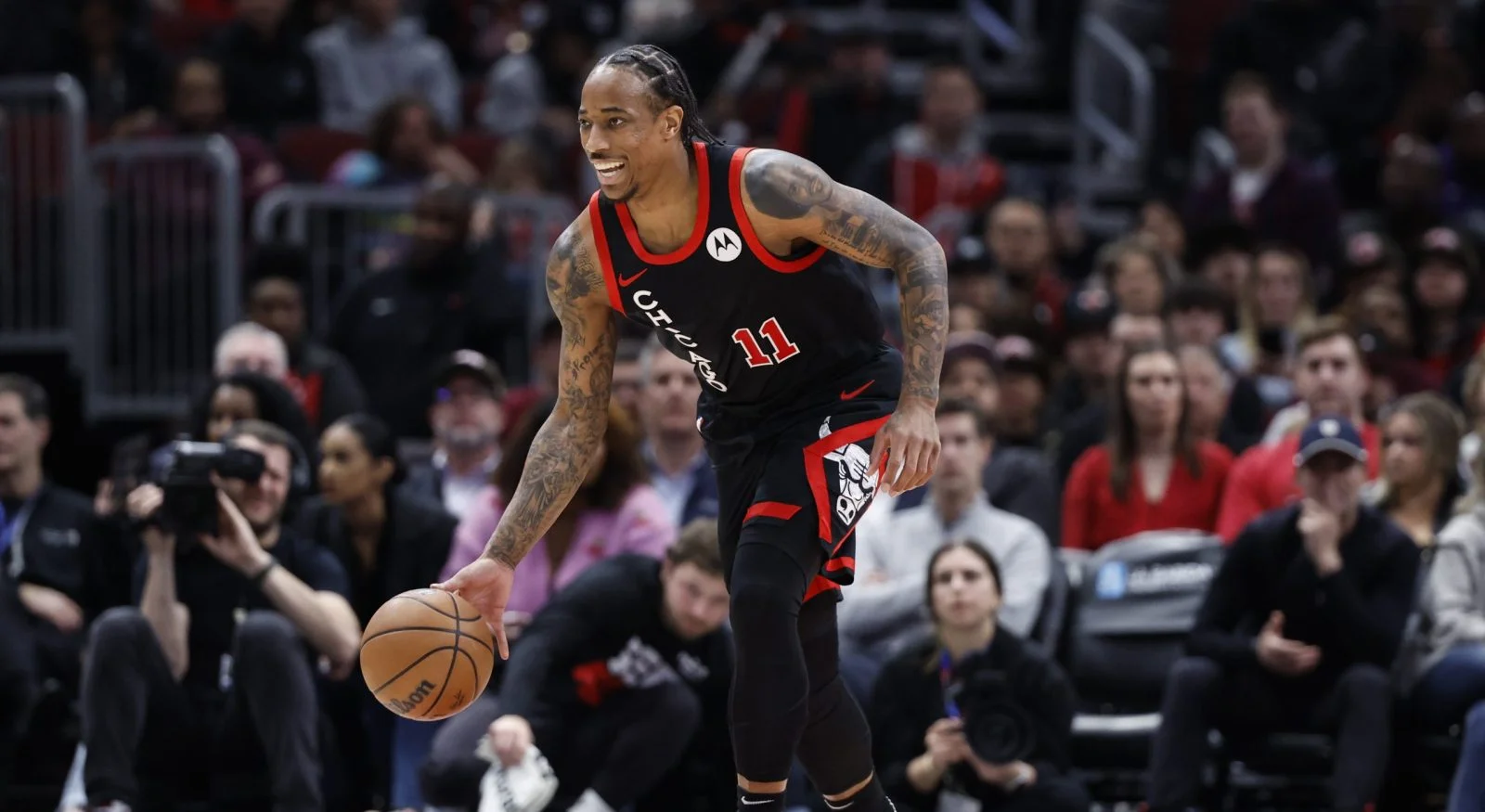

Sacramento Kings star DeMar DeRozan has led NBA players who come off the bench in scoring, with 34.3 percent of his 22.2 points per game during the 2024-25 season coming from the mid-range. This mid-range mastery has been a hallmark of his 16-year career, and he recently opened up about how he developed this skill set during a conversation on retired NBA great Carmelo Anthony’s 7 PM in Brooklyn podcast.
DeRozan emphasized that his approach started with a student mentality and was shaped by the unique opportunity to work with Kobe Bryant as a teenager.
“It started out with me just being a student first,”
DeRozan explained.
“I had the luxury at 16, 17 years old, to work with Kobe [Bryant]. I had that cheat code to really just sit there and lock in, listen to him, really break down details and small movements and learning how to play in a phone booth and get your shot off. I learned that early on.”
The Foundations of DeRozan’s Mid-Range Artistry
Growing up in Compton, located in Los Angeles County, DeRozan was fortunate to study alongside one of the best players of his generation. His style closely mirrors Bryant’s, particularly in its focus on refined footwork and composed shooting even under tight defensive pressure. This skill set has defined much of DeRozan’s game and contributed to his consistent scoring ability from mid-range areas.
Beyond Bryant’s influence, DeRozan credited several other NBA veterans who also helped him shape his mid-range repertoire. He recalled lessons from guards who excelled at creating space and quick shot releases, regardless of their size or athleticism, naming them during his discussion with Anthony.
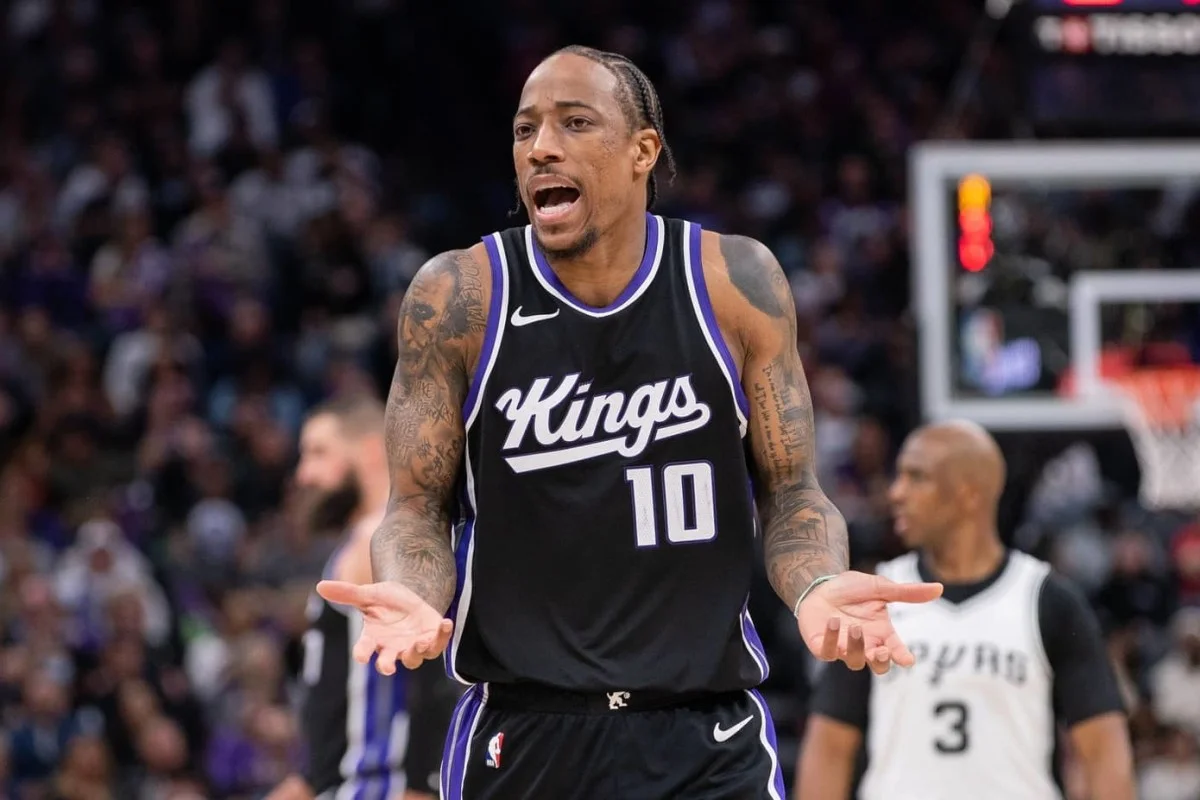
“I was just a student of how guys were able to create space, get their shots off — whether you were small or big,”
DeRozan said.
“I remember talking to Sam Cassell when I was 15. He used to show me the bump, shot fake [into] over right-shoulder fadeaway; he showed me all of that. Cuttino Mobley — how one dribble, hesitating, pulling up; I paid attention. Even Andre Miller, he wasn’t athletic at all, but he had the hesi in there, getting to the basket, getting his shot off.”
DeRozan explained how adapting these moves to his own size—standing 6’6” or 6’7” with athletic abilities—gave him what he called a “cheat code.”
“I paid attention to guys like that. So now, when I incorporate that into being 6’6 [or] 6’7”
, athletic, this … now I got a little bit more of a cheat code, if they’re able to do that with lack of size, athleticism, whatever it may be. And I just try to incorporate that.”
He continued to build on his early knowledge with help from mentors such as Alex English, an assistant coach during his rookie season.
“My first year in the league, I had Alex English as an assistant coach. I used to sit with him all the time and [ask], ‘Yo, how do you do this?’ He had that one-dribble pull-up; you couldn’t block it, every time.”
Mentors Who Shaped DeRozan’s Game
The combination of guidance from Bryant, Cassell, Mobley, Miller, and English created a strong foundation for DeRozan’s consistent mid-range threat. He acknowledged the privilege he had in learning from these mentors early in his career, which helped him refine both his technique and court awareness.
“Me being a student and having a cheat code of being able to work with my idol when it comes to basketball, it just made me pay attention to even more detail in a way,”
DeRozan reflected, underscoring how this unique mentorship provided him with an edge others might not have had.
What DeRozan’s Mid-Range Prowess Means for His Career and the NBA
DeMar DeRozan’s mid-range mastery not only defines his personal style but also challenges current NBA trends that favor three-point shooting or drives to the basket. By succeeding with a skill set honed from the best mid-range players of past decades, he continues the tradition of an often underappreciated scoring method.
As DeRozan continues performing at a high level with the Sacramento Kings, his dedication to this shooter’s craft could inspire upcoming players to reexamine the value of mid-range shooting. His story highlights how early mentorship and a willingness to study greats can fuel long-term success in the league.