
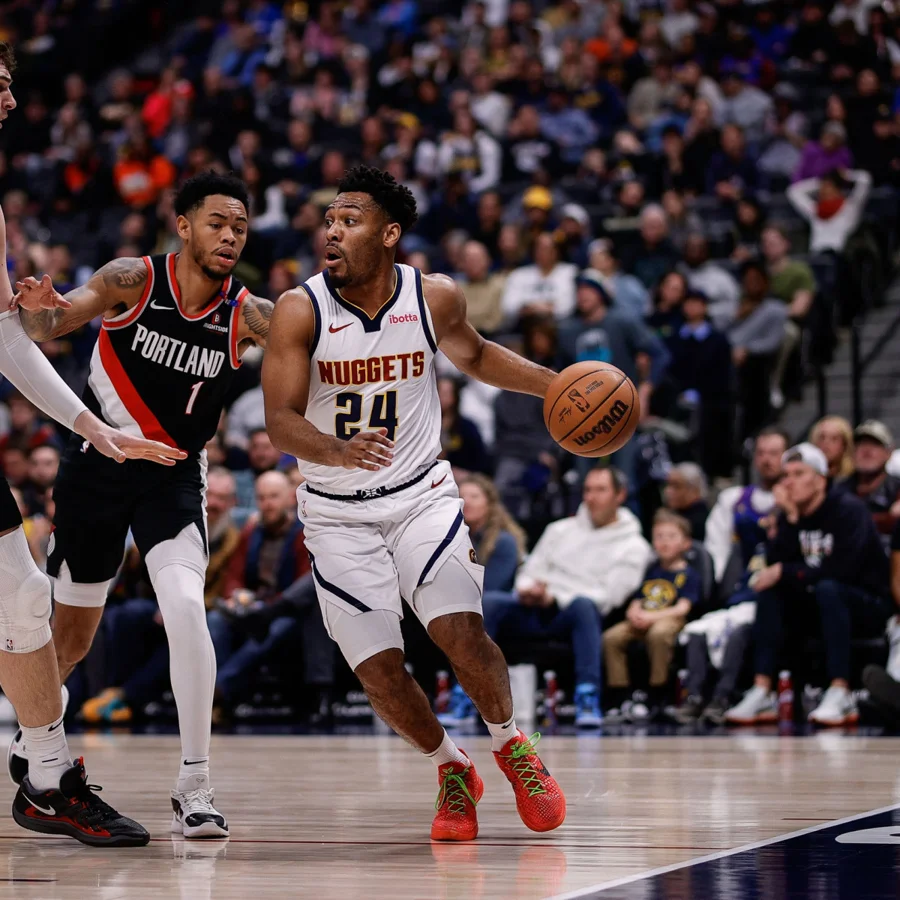

During the 2024 and 2025 NBA Drafts, the Portland Trail Blazers focused heavily on strengthening their center position. In the 2024 draft, they selected Donovan Clingan as the seventh overall pick, bringing high expectations as a lottery choice. The following year, the Blazers surprised many by trading down from the 11th pick to select Yang Hansen, further emphasizing their commitment to developing a frontline duo.
This strategic emphasis on two centers has sparked curiosity among Portland fans, leading to speculation about the possibility of resurrecting a “Twin Towers” style in Rip City. The central question is whether Clingan and Hansen can share the floor effectively and transform the Blazers’ playing style.
Examining the Potential of Clingan and Hansen as On-Court Partners
Supporters are split on the idea of two centers playing simultaneously, with concerns about overcrowding and overlapping roles. As one fan named Melody wrote,
“I’m stoked about Yang but what about Donovan now? Drafting two guards in a row makes sense because both can play at once. Two centers might get in each other’s way. Do you see Cling Kong and Yang being able to play together at the same time?”
At this early stage, both Clingan and Hansen are still developing their games, which lessens the risk of direct competition disrupting team chemistry. While Clingan has shown some adaptation, his offensive skills remain somewhat limited. The dynamic between them could lead to a complementary relationship where each fills gaps left by the other rather than clashes.
Veteran Competition and Coaching Decisions Impact Playing Time
Despite Portland’s focus on Clingan and Hansen, the presence of Robert Williams III complicates their paths to consistent playing time. If healthy, Williams is expected to be the starting center given his experience and differing style compared to the younger seven-footers. Head Coach Chauncey Billups might find it difficult to sideline Williams, whose veteran presence and skill set add value to the roster.
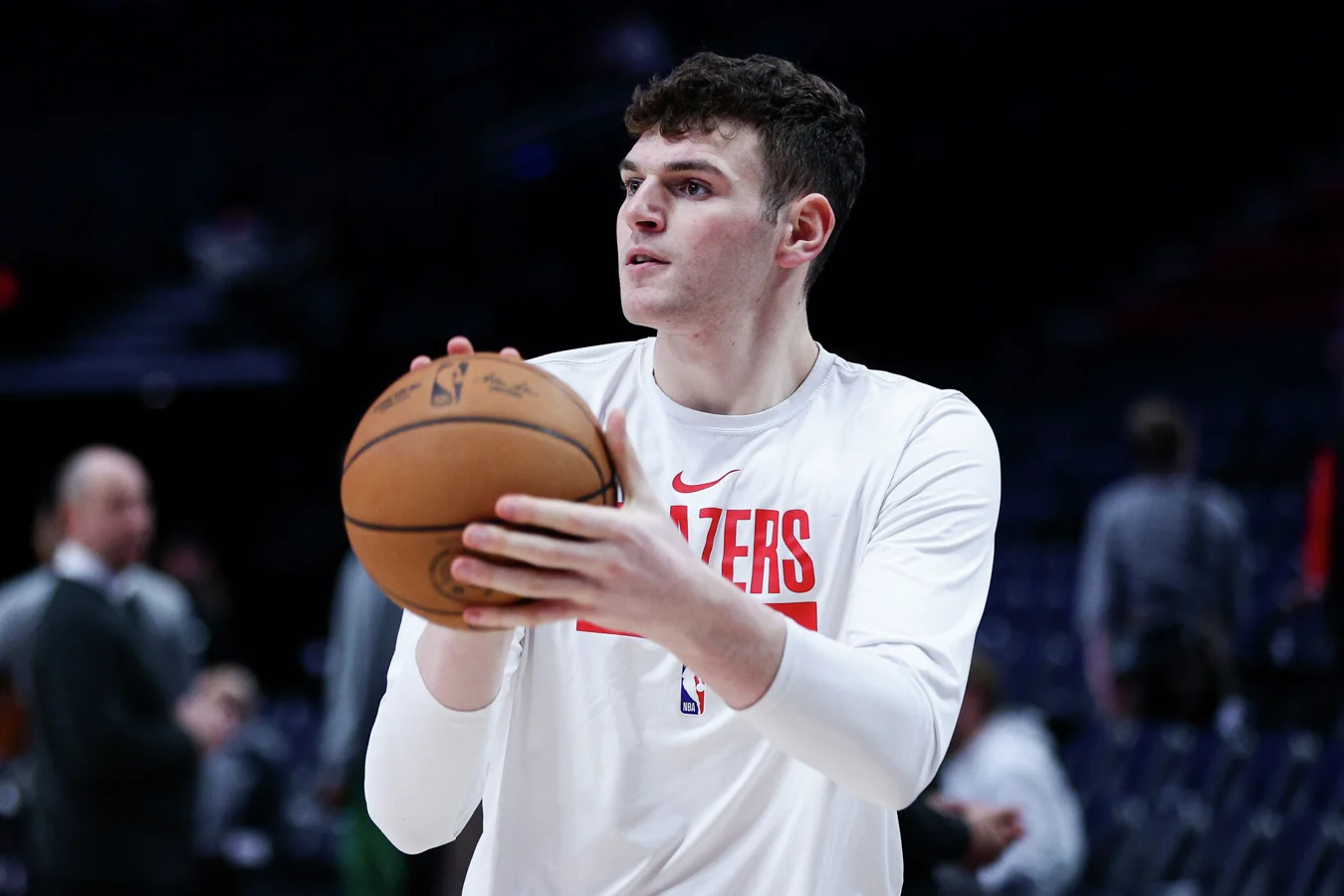
It remains uncertain whether Portland will trade Williams to create more opportunity for the emerging centers. For now, both Clingan and Hansen face not only each other but also Williams as the main contenders for minutes at the center spot.
Challenges of Pairing Two Centers in the Modern NBA Offense
On offense, the idea of managing two centers simultaneously presents logistical problems despite their distinct positioning. In Summer League action, Hansen was spotted operating high on the floor, leveraging his passing and court vision from a distance. Clingan, conversely, occupied the low post, a traditional center role.
While their different court positioning initially seems complementary, the realities of spacing create complications. Since Clingan’s defender stays close to the basket, he inevitably clouds passing lanes for Hansen when attempting to find cutters moving through the middle. Additionally, Hansen has not yet developed a reliable three-point shot, forcing defenses to collapse inside around both big men to counter Portland’s offense.
When the perimeter shooting threat is weak, the defense can congest the paint without fear of punishment from beyond the arc. This bottleneck limits Clingan’s ability to receive passes and finish plays, while Hansen struggles to find open teammates for effective passes, ultimately stalling the offense.
Defensive Strategies and Concerns with Two Centers
Defensively, a two–center lineup might appear promising but poses its own difficulties. Success would rely heavily on Hansen’s mobility and stamina, as he would need to act as a versatile help defender while Clingan anchors the paint. However, neither player is known for their quickness or defensive range at this stage, raising doubts about the feasibility of such a system.
The Blazers could experiment with zone defenses, such as a 3-2 setup, but this risks exposing them to corner three-point shots, widely regarded as lethal weapons in today’s NBA. Neither center is proficient at closing out on perimeter shooters, which gives opponents an advantage to exploit this zone defense by targeting open looks from the corners.
While Portland’s coaching staff may devise innovative solutions to employ both centers effectively, the initial outlook suggests that Clingan and Hansen might struggle to coexist comfortably on the court, especially given their youth and current skill profiles.
Looking Ahead: The Future of Portland’s Frontcourt
Despite these obstacles, the concept of a formidable twin towers duo in Portland remains intriguing. If Clingan and Hansen can develop complementary skills and overcome mobility challenges, they could redefine Rip City’s interior presence and offer a unique playing style that contrasts with recent pace-and-space trends.
Should the Blazers successfully cultivate this “Time of the Giants,” their commitment to building around two seven-foot behemoths would position them ahead of other teams considering similar blueprints for success. The coming seasons will reveal whether Donovan Clingan and Yang Hansen can truly transform Portland’s identity and catalyze a new era for the franchise.