

As the Formula 1 circus arrives at Spa-Francorchamps for the Belgian Grand Prix sprint weekend, several top teams, notably Ferrari, Red Bull, and Williams, have introduced significant car upgrades aimed at enhancing performance. These F1 Belgian GP car upgrades arrive just as circuits and weather conditions challenge teams to find optimal setups within a condensed sprint race format.
Eight of the ten squads are set to debut new parts or aero changes ahead of the critical sprint event, which offers limited practice time before competitive sessions begin. The car improvements focus on aerodynamics, suspension, cooling, and overall vehicle balance across one of the season’s most demanding tracks.
Ferrari’s Rear Suspension Innovation and the Challenges of Optimization
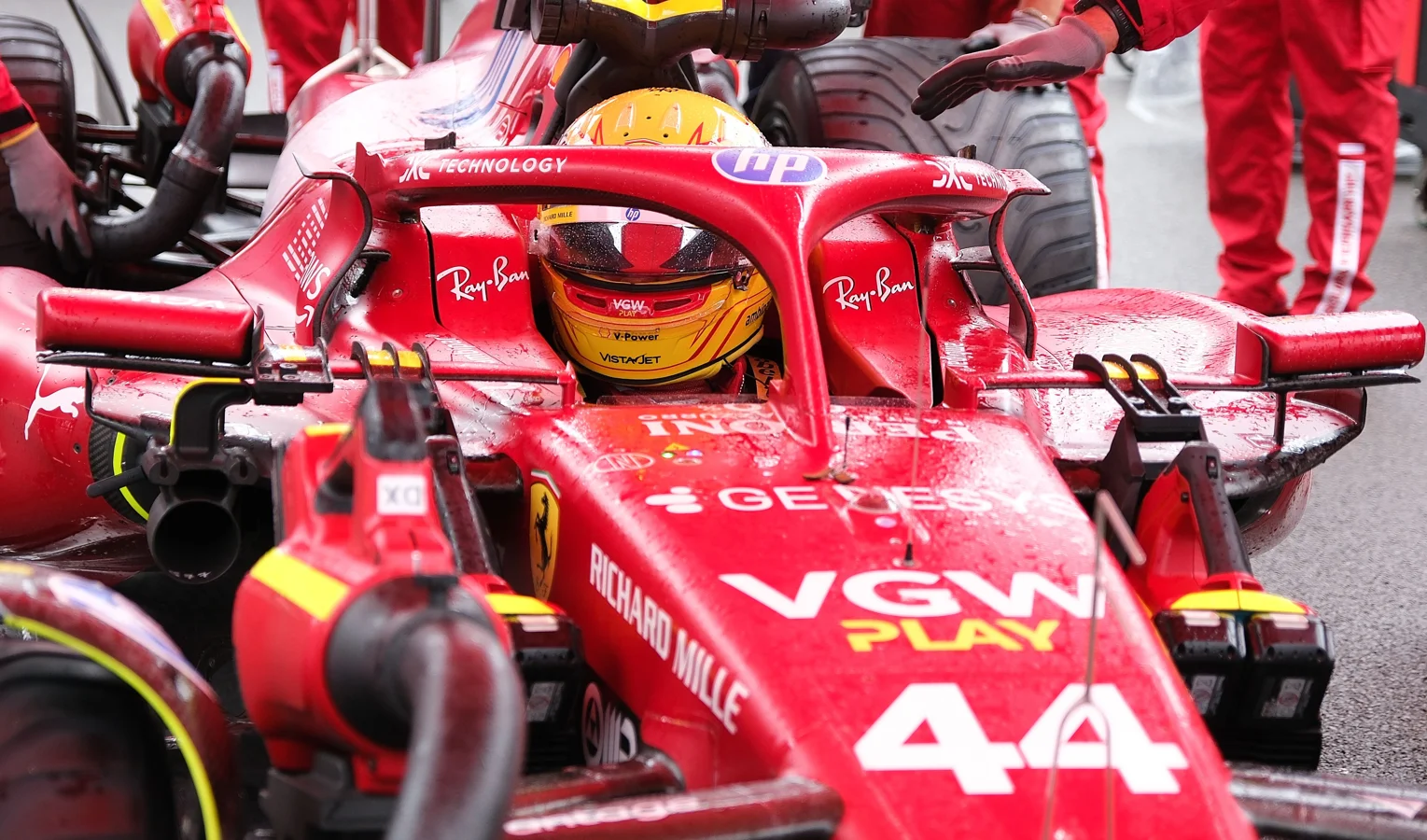
Ferrari has brought a notably revised rear suspension design to Spa in hopes of reducing the car’s sensitivity to ride-height variations, a crucial factor to maintain ideal aerodynamic performance. This reprofiled suspension aims to keep the SF-23 within its operative aerodynamic window more easily, especially on Spa’s undulating surface.
Lewis Hamilton, who has tested the configuration during a recent filming day at Mugello, commented on the new package’s complexity. He explained that it may take several race weekends for Ferrari to fully optimize the geometry and unlock its expected benefits, while also praising Ferrari’s ongoing development work.
“It’s a sprint race and we want to make sure we set the car up well for the race,”
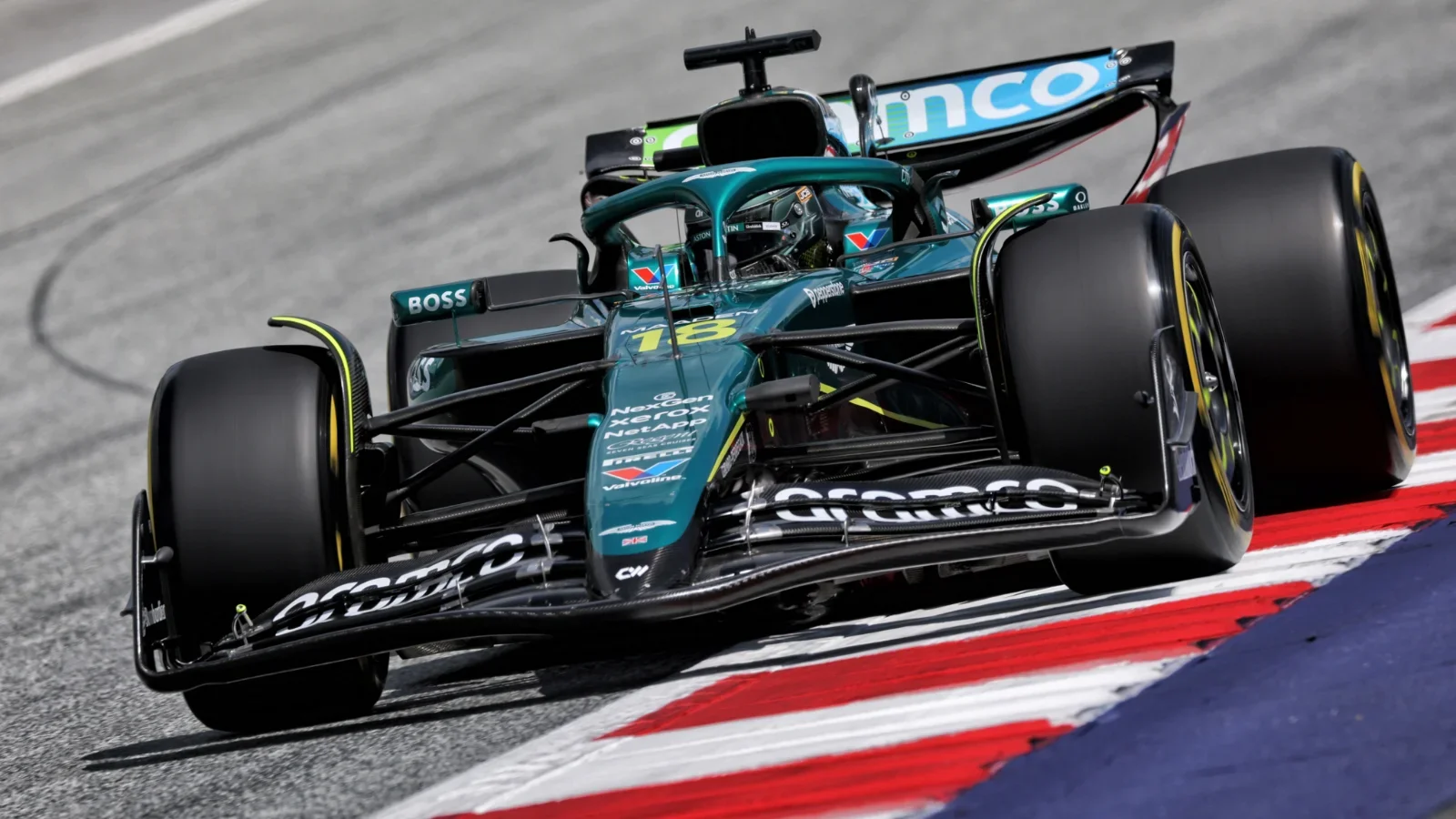
—Andy Cowell, Aston Martin Team Principal
“Fernando [Alonso] will be testing the front wing in FP1. If we’re unsure, we will stick with our existing wing.”
—Andy Cowell, Aston Martin Team Principal
“The revised fence geometries redistribute the balance of loading through the floor fence channels – this increases the local front of floor loading as well as improving the potential for the downstream flow,”
—Williams Technical Team
Red Bull’s Subtle Aero Tweaks Target Increased Downforce and Cooling
Red Bull Racing continues to refine the RB21 with a series of small but impactful aerodynamic changes. Building upon prior upgrades including modifications to their floor and rear corner fairings, the team has introduced a revised front wing with altered first and second elements designed to generate additional downforce.
The rear of the car also sees improvements, with newly shaped bodywork winglets on the rear wheels enhancing load without disrupting the overall balance. To improve reliability and cooling, the team has adjusted sidepod inlets as well as the engine cover and front suspension fairings.
McLaren Advances with an Enhanced Low-Drag Rear Wing Design
McLaren has focused on aerodynamic efficiency through their latest evolution of the low-downforce rear wing, which is reported to improve efficiency while maintaining drag levels similar to previous designs. These enhancements are particularly important for high-speed circuits like Spa and will prove beneficial in upcoming races at Monza, Baku, and Las Vegas.
Mercedes and Aston Martin Introduce Front and Rear Wing Refinements
Mercedes has updated both the front wing endplate and rear corner wing with subtle but targeted changes aimed at optimizing airflow over and around the tyres. A notable adjustment includes repositioning the so-called “drum lip” further inboard from the rear tyres to enhance aerodynamic performance.
Aston Martin’s upgrade program at Spa includes a shorter nose design matched with a newly configured front wing assembly. Recognizing the experimental nature of this front wing, team principal Andy Cowell explained the team’s preference to prioritize stability over change during the sprint weekend. They have also fitted a lower-downforce rear wing combined with a beam wing aimed to improve straight-line speed at the circuit’s long straights.
Alpine, Racing Bulls, and Williams Focus on Rear Wing and Floor Enhancements
Alpine, choosing a conservative development path to concentrate on the 2026 season, has introduced reduced downforce rear wing and beam wing packages. These modest updates are designed to balance performance and reliability without detracting from future development priorities.
Racing Bulls (formerly known as AlphaTauri) has refined its diffuser and rear corner winglets to enhance rear airflow and reduce drag. New bespoke low-drag rear wings were also part of the upgrade, with team principal Alan Permane sharing plans to introduce a further minor upgrade following the summer break before shifting focus to 2026 developments.
Williams has delivered a substantial upgrade primarily centered on a redesigned floor with a more complex floor edge wing and modified floor fences. This development aims to redistribute aerodynamic loads more effectively, increasing front-floor loading and enhancing downstream airflow efficiency. Additionally, the Grove-based team revised the sidepod inlet to enable a deeper undercut in the bodywork, improving aerodynamic performance without compromising cooling requirements for the power unit.
Other Teams Maintain Status Quo as Sprint Weekend Demands Precision Setup
Haas and Sauber have opted not to declare any upgrades for the Belgian GP sprint weekend. With only a single practice session available on Friday to fine-tune setups, the choice reflects the pressures of rapid preparation inherent in the sprint format.
Implications for Performance and Championship Development
The wave of F1 Belgian GP car upgrades highlights the relentless pursuit of performance gains by leading teams as the season progresses. Ferrari’s rear suspension changes and Williams’ floor redesign indicate a focus on managing aerodynamics delicately over Spa’s challenging layout. Meanwhile, Red Bull and McLaren’s aero refinements represent ongoing efforts to increase downforce and efficiency with minimal drag penalties.
With limited practice time, teams face the challenge of adapting these upgrades quickly to the dynamic Spa-Francorchamps environment. The results will provide insight into each team’s short-term competitiveness and their ability to refine innovations ahead of upcoming high-speed circuits. Meanwhile, development strategies indicate some teams already balancing present upgrades against a strategic eye on 2026 rule changes.
Our Reader’s Queries
Q. Is number 13 banned in F1?
A. Yes, the number 13 is allowed in Formula 1. Pastor Maldonado chose #13 when the permanent numbering started in 2014. Some cultures think 13 is unlucky. However, F1 lets drivers pick their own numbers.
Q. Which F1 driver has ADHD?
A. Lewis Hamilton’s experiences with ADHD and dyslexia have had a big impact on his life both on and off the racetrack. His journey challenges traditional ideas of success in Formula 1 and highlights the importance of acknowledging diverse learning abilities.
Q. Is the number 13 banned in F1?
A. F1 Driver Number Rules
Every Formula 1 driver can pick a permanent number between 2 and 99, but they cannot select the number 17. This number stays with them for their whole career in F1.