
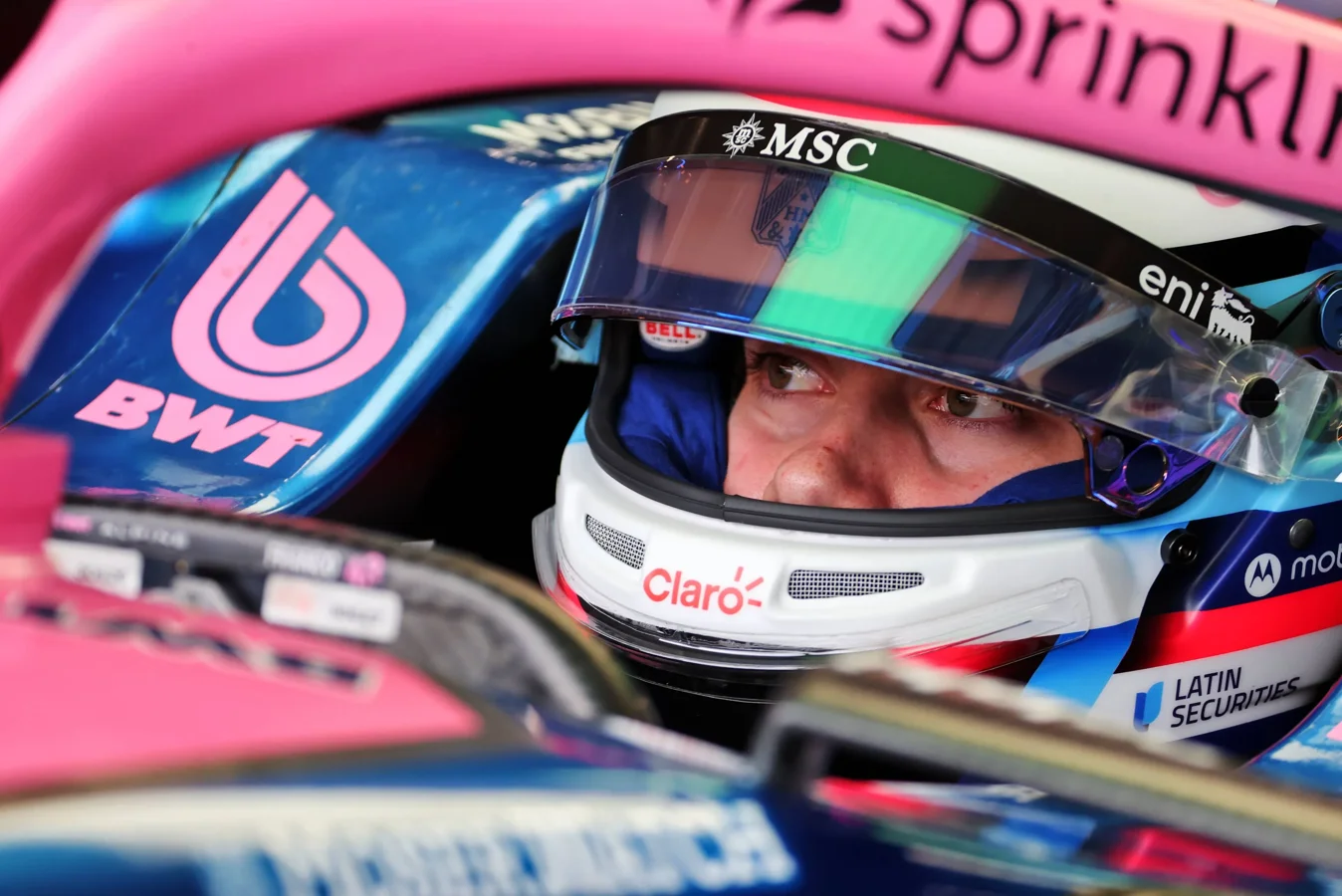

Franco Colapinto, the Argentine Alpine driver, has revealed insights into his Formula 1 journey, highlighting both his achievements and the difficulties he faces as the sport’s pressures intensify. As he competes in the current season, Colapinto remains driven by a strong desire to see Formula 1 return to his native Argentina, where he envisions grand prix racing once again energizing the local fans.
Adapting to F1: Lessons from the First Six Races
Reflecting on his opening six races this season, Colapinto emphasizes the importance of learning and adapting quickly in Formula 1. He underscores the critical role of performance improvement, particularly in managing low fuel levels and optimizing times on fresh tires. These technical challenges, combined with the evolving support from physiotherapists, illustrate the complexity drivers face in maintaining peak physical and mental condition during intense competition.
Building on Experience: Transition from Williams to Alpine
In his second year in Formula 1, Colapinto draws on valuable lessons from his time at Williams and his current position at Alpine. He explains that moving up from junior racing categories to Formula 1 introduces a steep learning curve, involving collaboration with more extensive engineering teams and carrying the weight of expectations from a large workforce focused on producing the fastest cars in the sport. These experiences contribute to his ongoing growth as a driver in one of the world’s most demanding arenas.
Upcoming Challenges: Spa and Sprint Race Strategy
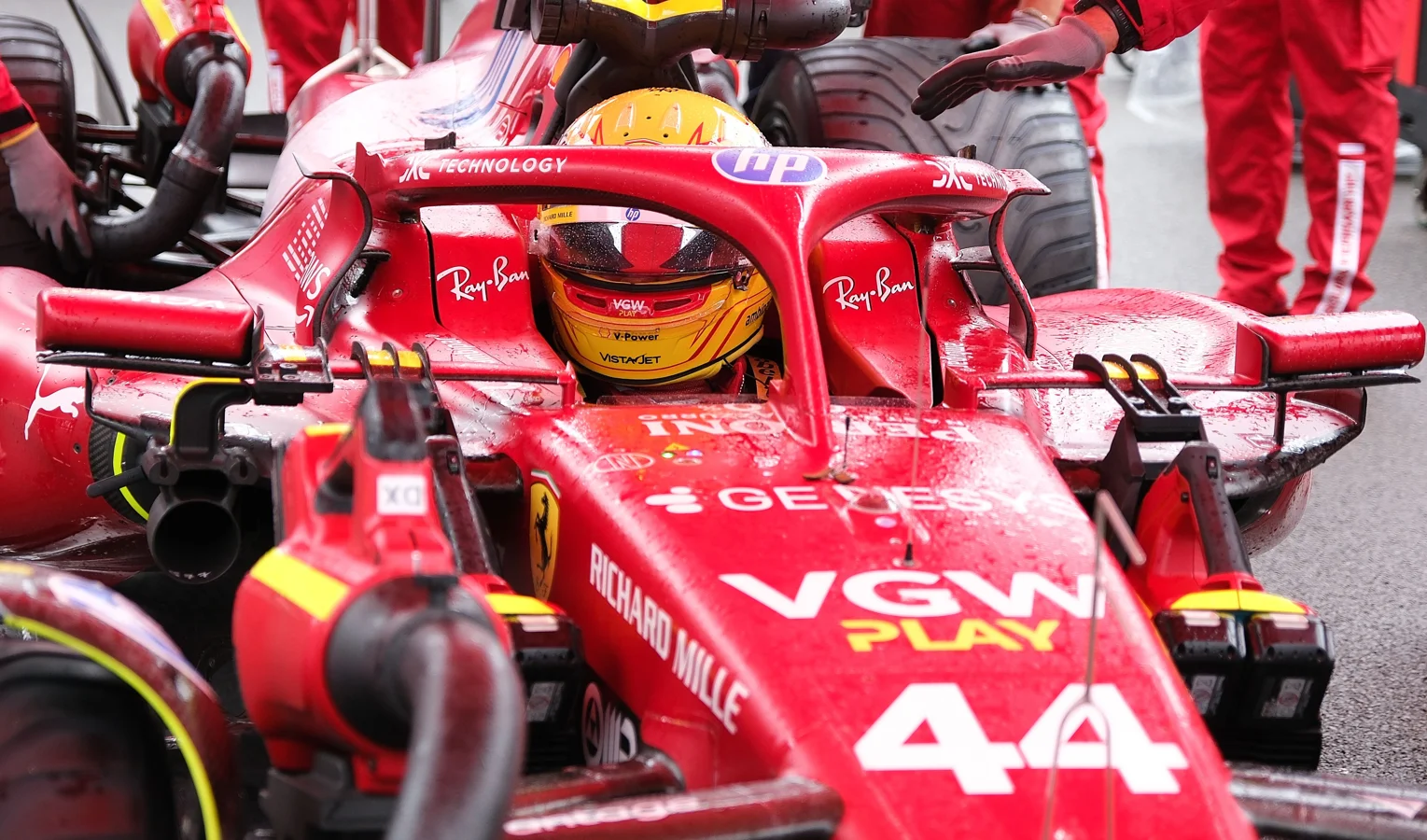
Looking ahead to the next circuit at Spa, Colapinto is preparing to maximize every racing opportunity, with particular attention to the sprint race format and the unpredictability of variable weather conditions. His focus centers on leveraging his car’s capabilities while maintaining composure amid changing track environments, demonstrating his commitment to extracting the best possible results as the season progresses.
Excitement Over MotoGP’s Return and Hopes for Formula 1’s Future in Argentina
The recent announcement that MotoGP will return to Buenos Aires, utilizing the historic F1 circuit, has ignited enthusiasm among motorsport fans, including Colapinto himself. While he notes that the track adjustments cater primarily to motorcycle racing, he expresses a hopeful vision that Formula 1 might also stage a comeback to Argentina in the near future, reigniting passion for the sport within the country and offering local spectators a thrilling motorsport spectacle once more.
Colapinto’s Formula 1 Journey Embodies Determination and Growth
Franco Colapinto’s path in Formula 1 is marked by resilience and an unwavering pursuit of excellence amid the sport’s challenges. His reflections reveal a driver who continues to adapt, learn, and develop while managing the immense pressures that come with competing at the highest level. Through this dedication, he stands as a promising figure in motorsport, aiming not only for personal success but also to inspire the return of Formula 1 to his Argentine homeland.
“Buckle up as Franco Colapinto takes you on a thrilling ride through the high-octane world of Formula 1, where dreams are chased, limits are pushed, and champions are made!” —Unnamed Source
Our Reader’s Queries
Q. Is number 13 banned in F1?
A. Certainly, the number 13 is allowed in Formula 1. Pastor Maldonado chose this number when the permanent numbering started in 2014. Despite its unlucky reputation in some cultures, drivers can choose it themselves.
Q. Which F1 driver has ADHD?
A. Lewis Hamilton’s experiences with ADHD and dyslexia have influenced his life both in racing and outside of it. His journey changes how we view success in Formula 1 and highlights the importance of acknowledging learning differences.
Q. Is the number 13 banned in F1?
A. F1 drivers can pick a lasting number for their careers, choosing any between 2 and 99. The number 17 is not available.