
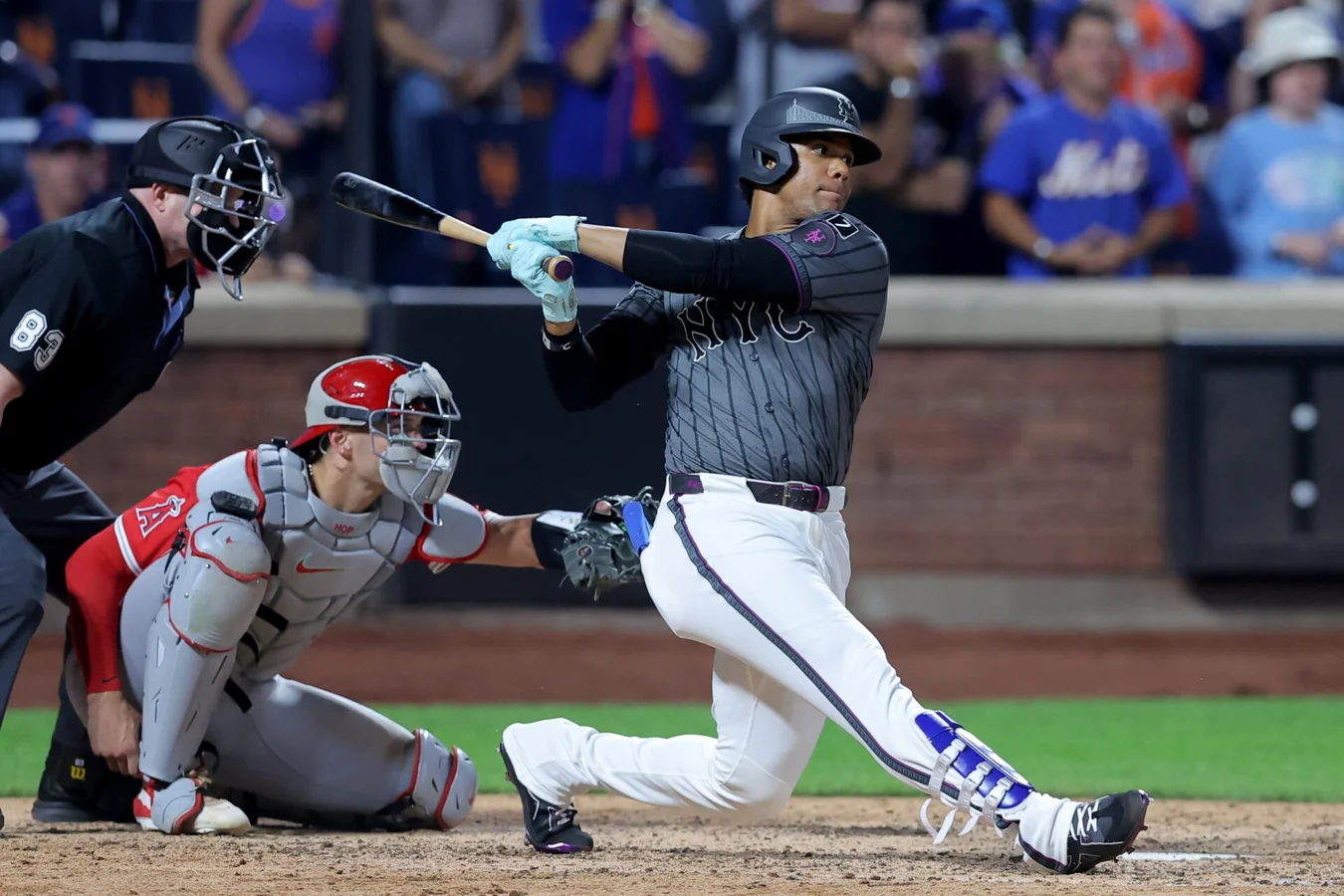

Fantasy baseball managers are rapidly trading Juan Soto heading into the July trade deadline, signaling widespread concern over his 2025 performance. Despite being a highly regarded former first-round pick, Soto’s fantasy value is dropping sharply just as playoff races intensify.
The heightened trade activity is noticeable on the PFSN platform, where Soto ranks among July’s most traded players, and more than half of those trades involve managers selling rather than acquiring him. This rush to offload the star outfielder highlights growing frustration driven by his uneven production and troubling underlying statistics.
Key Factors Driving the Exodus from Soto’s Fantasy Rosters
The data behind these trades exposes weaknesses that are troubling fantasy owners. Soto’s plate discipline, once elite, is now undermining his value, as he records a career-high 37.1% rate of plate appearances resulting in either walks or strikeouts. While walks contribute positively to on-base percentage in real baseball, they typically yield no direct fantasy points in standard scoring formats.
Management strategies focused on counting statistics and batting averages are seeing less benefit from Soto’s cautious approach at the plate. He remains aggressive in selectivity but struggles with an increasing number of called strikes, which lowers his overall fantasy utility despite maintaining real-world effectiveness.
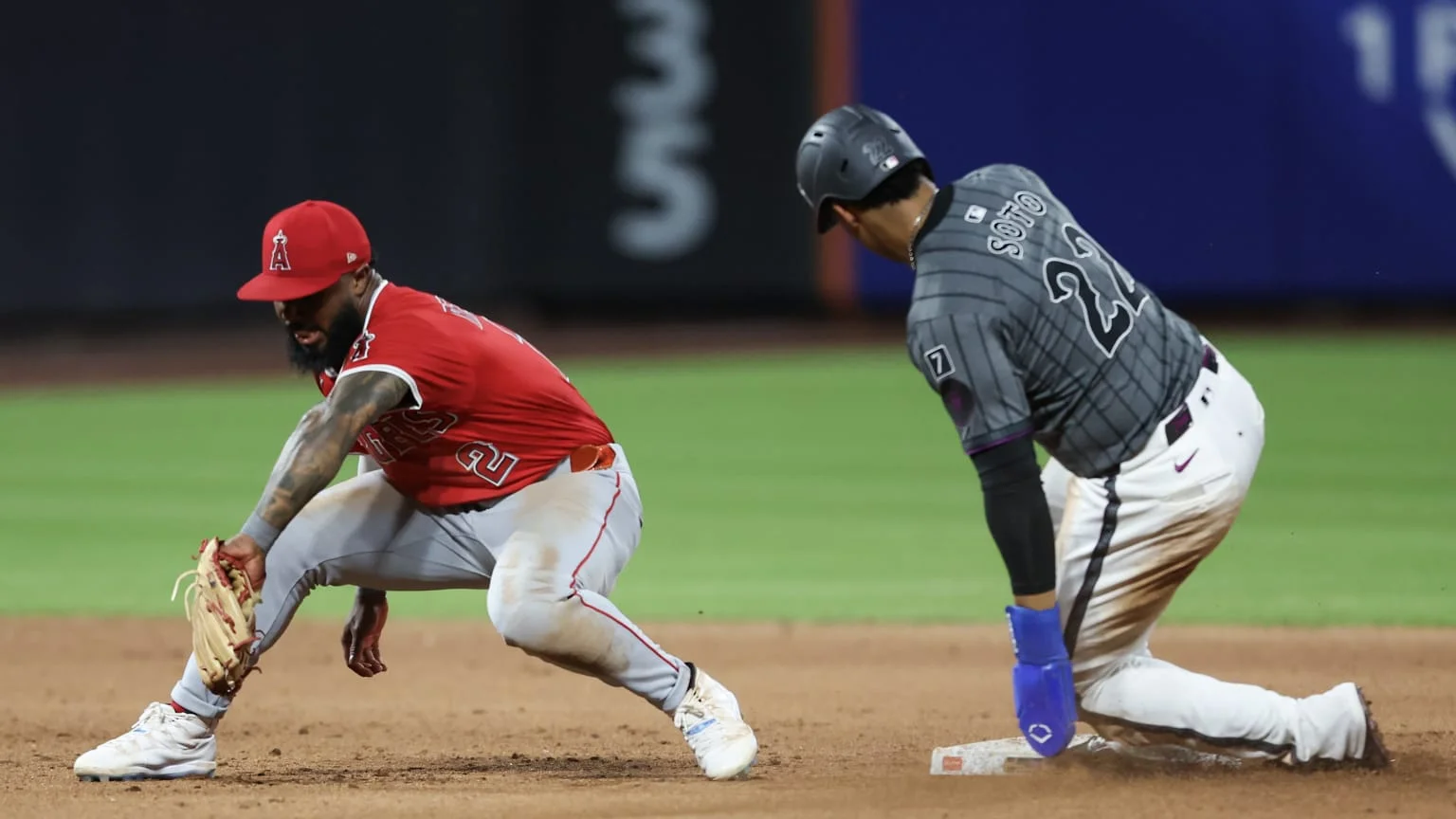
July typically demands steady and reliable production from fantasy assets, as teams jockey for playoff positioning and every game-moment carries weight. Soto’s current profile, characterized by patience mixed with frequent strikeouts, falls short of the consistent output many managers require during this critical stretch.
Why the June Surge Fails to Represent Soto’s True Season Performance
At a glance, Soto’s June hot streak may have masked his ongoing struggles, but excluding that month reveals a hitter batting just .230 overall. This inconsistency runs counter to what fantasy owners usually expect from a player with Soto’s pedigree and draft cost.
Although June’s performance temporarily slowed the tide of criticism and encouraged some managers to retain him, the sustained high strikeout rate during that period indicated unresolved issues. Soto’s season lacks the dependable steady production expected from a player of his caliber, instead displaying a troubling pattern of mediocrity punctuated by occasional bursts of success.
Many fantasy owners who held onto Soto through June now face the opportunity cost of not having chosen alternatives delivering more reliable results throughout the season.
Strategies for Fantasy Managers Regarding Soto’s Trade Potential
Recent trading trends reflect a shift in fantasy baseball management, with owners increasingly willing to move on from prominent, underperforming players rather than banking on name recognition or past achievements. This pragmatic approach appears especially fitting in Soto’s case given his current struggle to contribute meaningful fantasy points.
His elevated walk rate, valuable for real-world on-base percentages, fails to enhance fantasy categories dependent on counting stats, while his strikeouts actively diminish his batting average in leagues that measure it. The 59.1% sell rate on PFSN signals that many knowledgeable fantasy participants recognize these underlying skill disruptions and are adjusting their rosters accordingly.
Managers holding Soto now face a difficult decision. While his reputation might still yield some trade interest, delaying a move risks further decline in both performance and market value. The opportunity to recoup reasonable returns on this asset appears increasingly limited as the season progresses.
Juan Soto’s case serves as a cautionary example highlighting the importance of distinguishing real-world talent from fantasy effectiveness. For many teams, accepting that a star’s skill set no longer aligns with fantasy success is a necessary step, even if it requires letting go of a highly touted player.
Our Reader’s Queries
Q. Why did Juan Soto get so much?
A. Soto’s expensive contract shows how his exceptional skills and upcoming free agency increased competition for his services, raising the contract amount.
Q. Why do people think Juan Soto is so good?
A. He is known for hitting the ball to any part of the field, even with two strikes against him. By the end of the 2020 season, Soto had hit 69 home runs in his MLB career. He split these home runs equally: 23 to left field, 23 to center, and 23 to right field.