
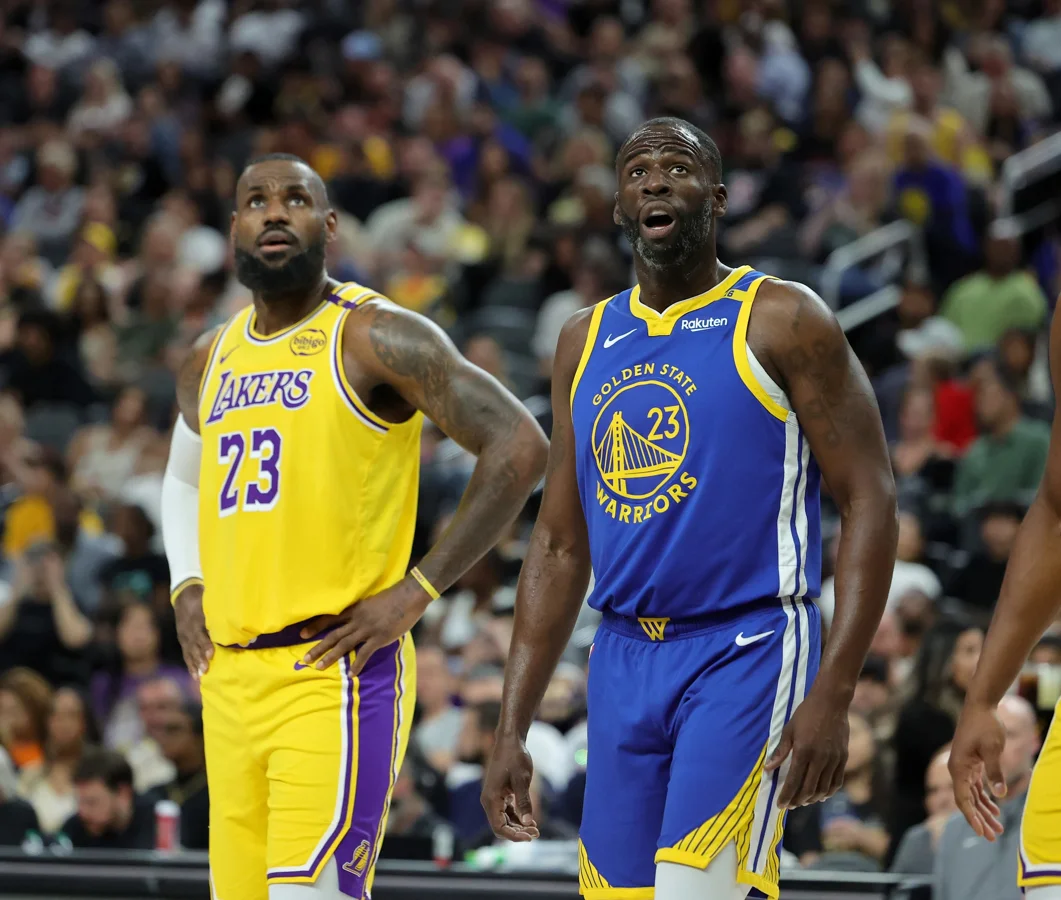

As the NBA endures another grueling season, serious concerns about player health are coming to the forefront, with Golden State Warriors head coach Steve Kerr and Los Angeles Lakers star LeBron James speaking out about the league’s increasing physical demands. Both figures are urging the NBA to consider cutting game time in response to a growing injury crisis that threatens players‘ longevity and performance.
Kerr and James emphasize that the current pace and length of the NBA schedule are putting excessive strain on athletes, pushing their bodies toward a breaking point. The issue has gained urgency as injury-related absences in the league have reached unprecedented levels this season.
Steve Kerr’s Proposal to Reduce Regular Season Games
Steve Kerr, who endured four straight 82-game seasons during his playing days with the Chicago Bulls, has put forward a bold suggestion to reduce the length of the regular season. He has formally asked NBA Commissioner Adam Silver to consider cutting the number of regular-season games down to 65, a significant drop from the current 82.
“I’m concerned about the product because I think we are asking way too much of our players,”
Kerr wrote to Silver.
The game has never been more difficult to play at a high level night after night after night. We should account for that.
Despite improved training methods, recovery protocols, and travel logistics, injuries have surged dramatically. By April 10, players had missed 6,525 games due to injuries, nearly 1,000 more than by the same date last season, signaling a troubling trend in player durability and wellness.

Underlying Causes: Early Specialization and Overuse Injuries
According to Vincent Goodwill of Yahoo Sports, the injury crisis is linked to a broader systemic problem involving how young athletes specialize early in basketball. Instead of playing multiple sports, many youth focus exclusively on basketball from a young age, resulting in overuse of specific muscle groups and accumulating damage before entering the professional ranks.
“It’s not on the NBA to regulate what they do,”
Goodwill explained, referring to the pre-existing conditions players bring with them.
“Have your kids play soccer, have them play football, have them do something else besides working that one muscle every year from the point that they’re eight or nine years old.”
LeBron James Suggests Shortening Games to 40 Minutes
LeBron James, who holds the record for the most minutes played in NBA history with 59,042, has also weighed in on the issue. On the Mind the Game podcast, he proposed reducing the length of games from 48 minutes to 40 minutes. Over the span of an 82-game regular season, this change would cut playing time by 656 minutes overall.
“The 40-minute game is intriguing, it gives it a little bit more of a sense of urgency,”
James said, highlighting the appeal of the shorter game format used in international competitions like the Olympics. For LeBron, this is not a step toward retirement but a move to safeguard the health of players and the integrity of the sport he has played for two decades.
The reduction in game length is seen as a way to alleviate physical strain on players while potentially increasing the pace and excitement of NBA games, adding a renewed intensity to each contest.
The Financial and Practical Challenges of Reducing Game Time
Both Kerr and James recognize that implementing such changes carries tough financial implications. Reducing the number of games or shortening individual games would likely decrease league revenues, a major concern given the NBA’s recent $76 billion media rights agreement. Kerr acknowledged the challenge by underscoring how substantial the economic stakes are for the league’s decision-makers.
Despite these hurdles, the conversation around modifying workloads is gaining momentum as the NBA seeks to find a balance between maintaining an exciting product and protecting its athletes from long-term harm.
Our Reader’s Queries
Q. Does LeBron James sleep 12 hours?
A. Professional athletes use a lot more energy than most people, so they usually sleep more than the suggested 8 hours. For example, LeBron James typically sleeps about 12 hours every night. This is quite remarkable because top athletes often travel for games, making it tough to get good rest.