

The San Diego Padres have been seeking a solution in left field as the trade deadline approaches, with trade interest in players such as Luis Robert Jr. of the Chicago White Sox and Ramón Laureano of the Baltimore Orioles rising. According to Jon Heyman of The New York Post, the Padres are evaluating several candidates, including Steven Kwan of the Cleveland Guardians, Luis Robert Jr., and Ramón Laureano, as they look to strengthen their outfield roster.
The focus on Luis Robert Jr. trade interest is particularly significant given the White Sox’s ongoing rebuild and Robert’s availability. San Diego’s search for an effective left fielder has been a priority since their offseason moves left some gaps in performance and roster depth.
Luis Robert Jr.’s Mixed Performance and Trade Value
Luis Robert Jr. has been a clear trade candidate for some time, as the White Sox do not see him in their long-term plans. Currently in the last guaranteed year of his contract, Robert’s deal includes two $20 million club options with $2 million buyouts, complicating potential moves. His inconsistent production and injury history have diminished his trade value despite his high potential.
This season, Robert struggled early with a .177/.266/.286 batting line before stepping back in early June to adjust his batting approach. Since then, his performance rebounded notably, posting a .266/.349/.457 slash line and a 122 weighted runs created plus (wRC+). Though not fully erasing earlier slumps, his recent uptick in offense, alongside his strengths against left-handed pitchers, base running, and defense, has made him a more attractive trade candidate.
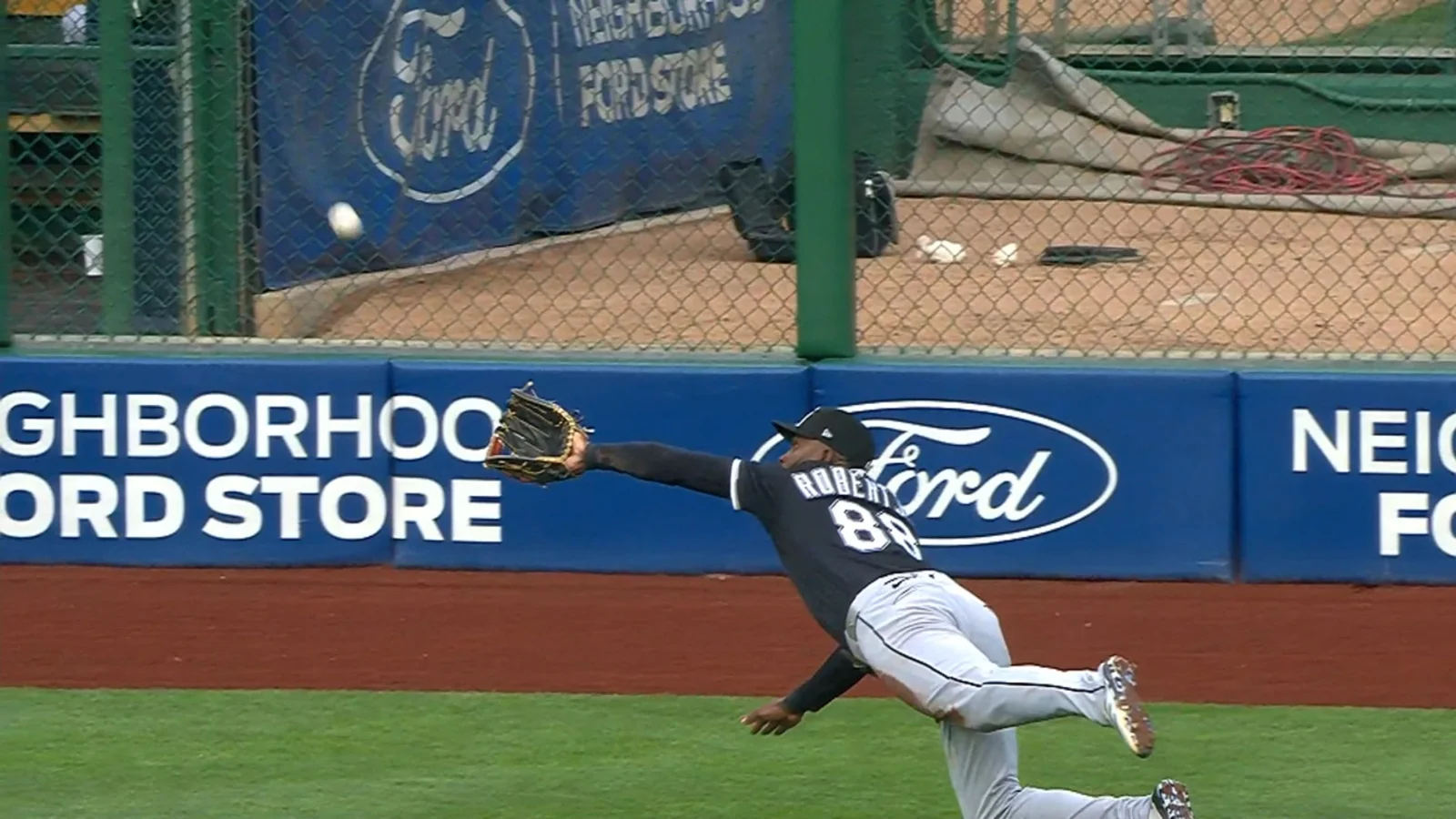
Despite some speculation that the White Sox might retain Robert and exercise his option if satisfactory trade offers do not materialize, this is considered a risky strategy. Past opportunities to trade him when his value was higher were missed, particularly after a strong 2023 season when the White Sox had four potential affordable years of control. The downturn in his 2024 and 2025 production, marred by injuries and inconsistency, further complicated his trade outlook.
Given his fluctuating performance and health issues, holding onto Robert could expose the White Sox to further declines, making it challenging to justify picking up his option for 2026 if he experiences additional setbacks in the latter half of the season.
Ramón Laureano’s Trade Potential Amid Orioles’ Seller Status
Ramón Laureano also emerges as a logical trade candidate. The Orioles, struggling through a disappointing season, have adopted a seller’s stance, focusing on moving players nearing the end of their contracts. General Manager Mike Elias acknowledged the team’s intent to trade such players, including Laureano, despite his one-year contract with a club option for 2026 making him more than a simple rental.
Laureano’s recent surge in performance strengthens the case for the Orioles to sell him now. After a sluggish start (.188/.216/.438 at the end of April), he has posted an impressive .300/.366/.542 line since then. His current season totals include 14 home runs and a .277/.337/.521 slash with a 137 wRC+, resurgence that enhances his value in trade discussions.
Although the Orioles could keep Laureano for 2026 under his option valued at $6.5 million, the club’s focus on rebuilding suggests openness to offers, especially if his momentum continues through the season.
Padres’ Outfield Situation and Budget Constraints
San Diego’s ongoing budget-related challenges have shaped their approach to roster construction, especially in the outfield. The team traded Juan Soto before the 2024 season, saving money and bolstering their rotation, notably by adding pitcher Nick Pivetta. To offset Soto’s offensive gap, the Padres signed Jurickson Profar for $1 million, which proved effective but limited higher-cost signings.
The Padres initially tried a low-cost platoon system in left with Jason Heyward and Connor Joe, both earning $1 million deals. Both players struggled and had been off the roster by the end of June. Meanwhile, another affordable signing, Gavin Sheets, has contributed with 14 home runs and a .253/.314/.424 slash line, maintaining a 109 wRC+. However, Sheets is not regarded as a strong defensive outfielder and is better suited to first base or designated hitter roles, complicating his use in left field.
The flexibility of having Sheets, Luis Arráez, and Jake Cronenworth available for first base, second base, and DH respectively means the Padres could shift positions to accommodate a new left fielder, potentially reducing plate appearances for Jose Iglesias, whose offensive numbers currently lag behind at .238/.297/.277. Other bench players such as Tyler Wade and Trenton Brooks have even lower production averages.
In terms of defensive versatility among trade targets, Laureano brings experience across all three outfield positions. Robert, however, has only played center field, which the Padres already have covered by the strong defensive presence of Jackson Merrill, a player under a long-term contract through 2034. Transitioning Robert from center to left is expected to be manageable.
Financial and Prospect Considerations Affecting Trade Decisions
Financial flexibility remains a significant constraint for the Padres. Alongside the limited guarantees offered to Heyward and Joe, they extended minor deals to Elias Díaz and Kyle Hart, while their sizable contract with Pivetta is heavily backloaded, with a $1 million salary owed this year despite the $55 million total commitment over four years.
Adding to the challenge, the Padres have depleted much of their prospect pool through recent trades and rely heavily on a small core of promising talents like Leo De Vries and Ethan Salas, who the organization aims to retain. This dynamic restricts the Padres’ ability to outbid competing teams in prospects when pursuing players like Robert or Laureano.
President of Baseball Operations A.J. Preller is reportedly exploring multiple trade scenarios and creative approaches to address these limitations. The Padres have been linked to other major league starters such as Dylan Cease and Sandy Alcantara, suggesting that the team could orchestrate complex multi-player trades that might include moving Cease to acquire financial relief or add talent.
This approach echoes previous deals where the Padres flipped Juan Soto for a package including Drew Thorpe, who was subsequently part of the trade that brought Cease to San Diego. Preller may repeat similar strategies during the weeks ahead to optimize the roster despite budget and prospect constraints.
Contract Details Influence Padres’ Target Choices
Luis Robert Jr.’s current salary of $15 million means the Padres would be responsible for approximately $5 million of his contract after the trade deadline, along with at least a $2 million buyout on his option. The White Sox might include cash incentives to facilitate a trade for Robert, which would help offset San Diego’s financial burden, although the Padres’ limited prospect assets must be considered when negotiating.
In contrast, Ramón Laureano’s contract is more affordable, carrying a $4 million salary with about $1.33 million remaining before the deadline. His club option for 2026 at $6.5 million has no buyout, and given his recent offensive surge, the Padres could either retain him into 2026 or move him again in the offseason depending on team needs and performance.
Other Trade Candidates and Future Possibilities
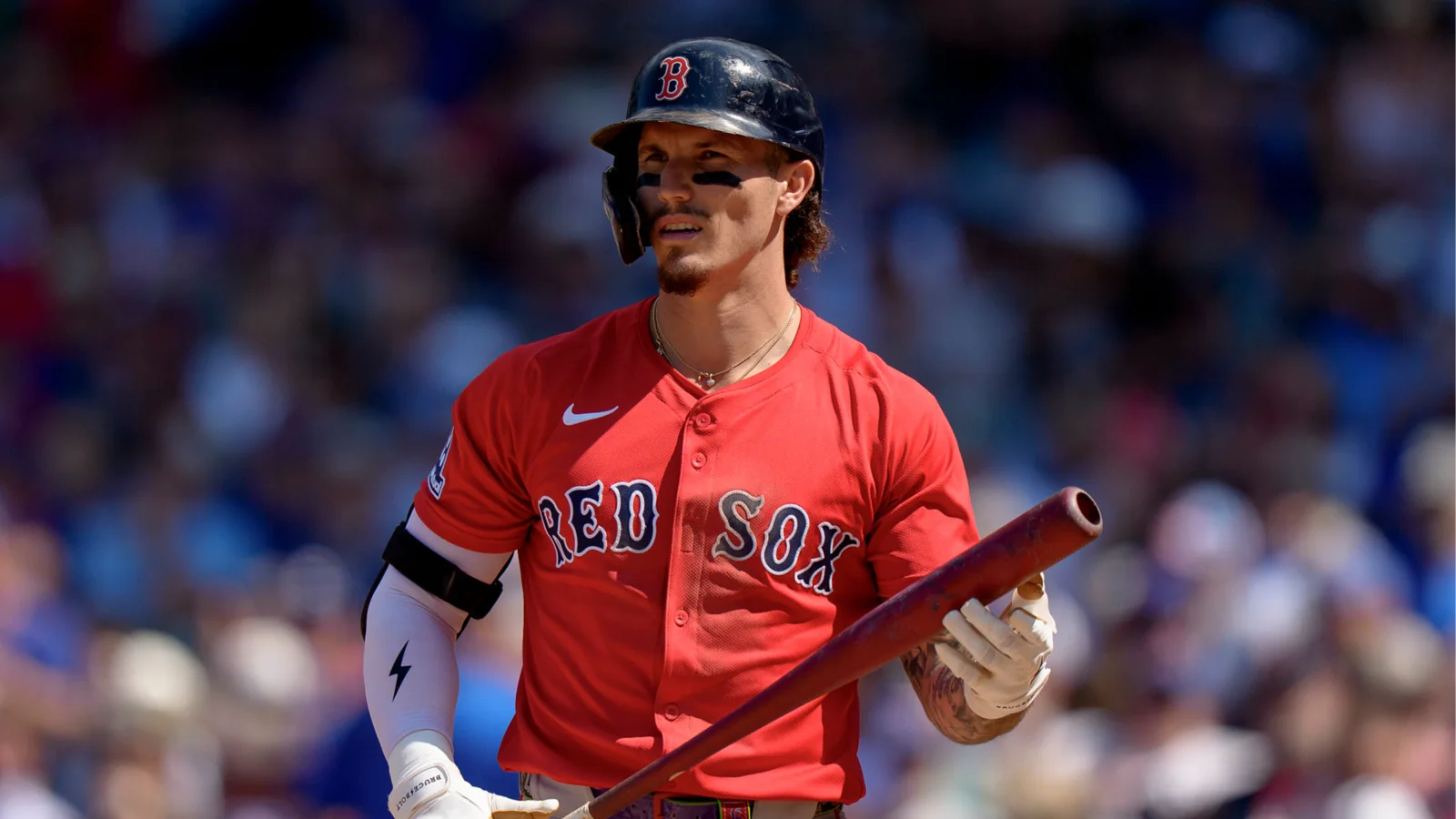
Besides Robert and Laureano, the Padres have also been linked to Steven Kwan of the Cleveland Guardians and Jarren Duran of the Boston Red Sox. Both players offer affordable team control beyond this year, but given their clubs’ playoff aspirations, trades involving them appear less likely.
Still, the Padres are reportedly considering a broad range of trade options and permutations, indicating that acquisitions in left field or other areas could emerge in several forms as the deadline approaches.