

This offseason, the Milwaukee Bucks set a precedent by waiving Damian Lillard, who was under contract for two more years worth nearly $113 million, and then stretching his salary cap hit over five seasons. As a result, the Bucks will pay Lillard over $20 million annually through the end of the decade despite him not playing for the team. Similarly, the Phoenix Suns have executed a buyout with Bradley Beal, who had two years and $110.8 million left, which enabled them to circumvent his no-trade clause and limit their immediate salary cap burden.
Although Beal gave back almost $14 million—much of which he recouped with the Los Angeles Clippers—the Suns remain responsible for paying him nearly $20 million per season through 2029-30. These moves raise the question of whether other NBA teams might soon adopt similar strategies to handle difficult contracts and salary cap constraints.
Philadelphia 76ers as the Potential Next Candidate for Contract Stretching
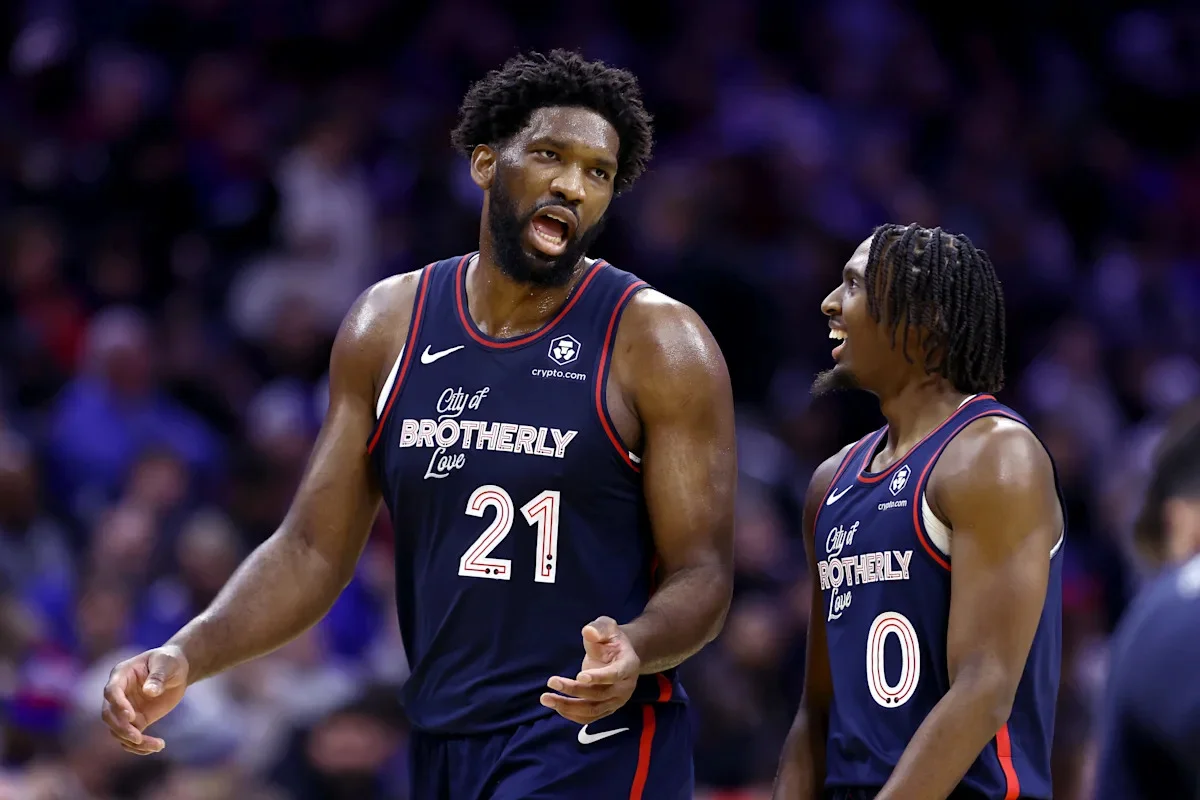
Yossi Gozlan of The Third Apron highlighted the Sixers as a team facing a precarious financial position, potentially making them the next to consider contract stretching. The 76ers’ situation is complicated by their lack of future draft assets and heavy salary commitments to star players Joel Embiid and Paul George, collectively exceeding 35 percent of the salary cap.
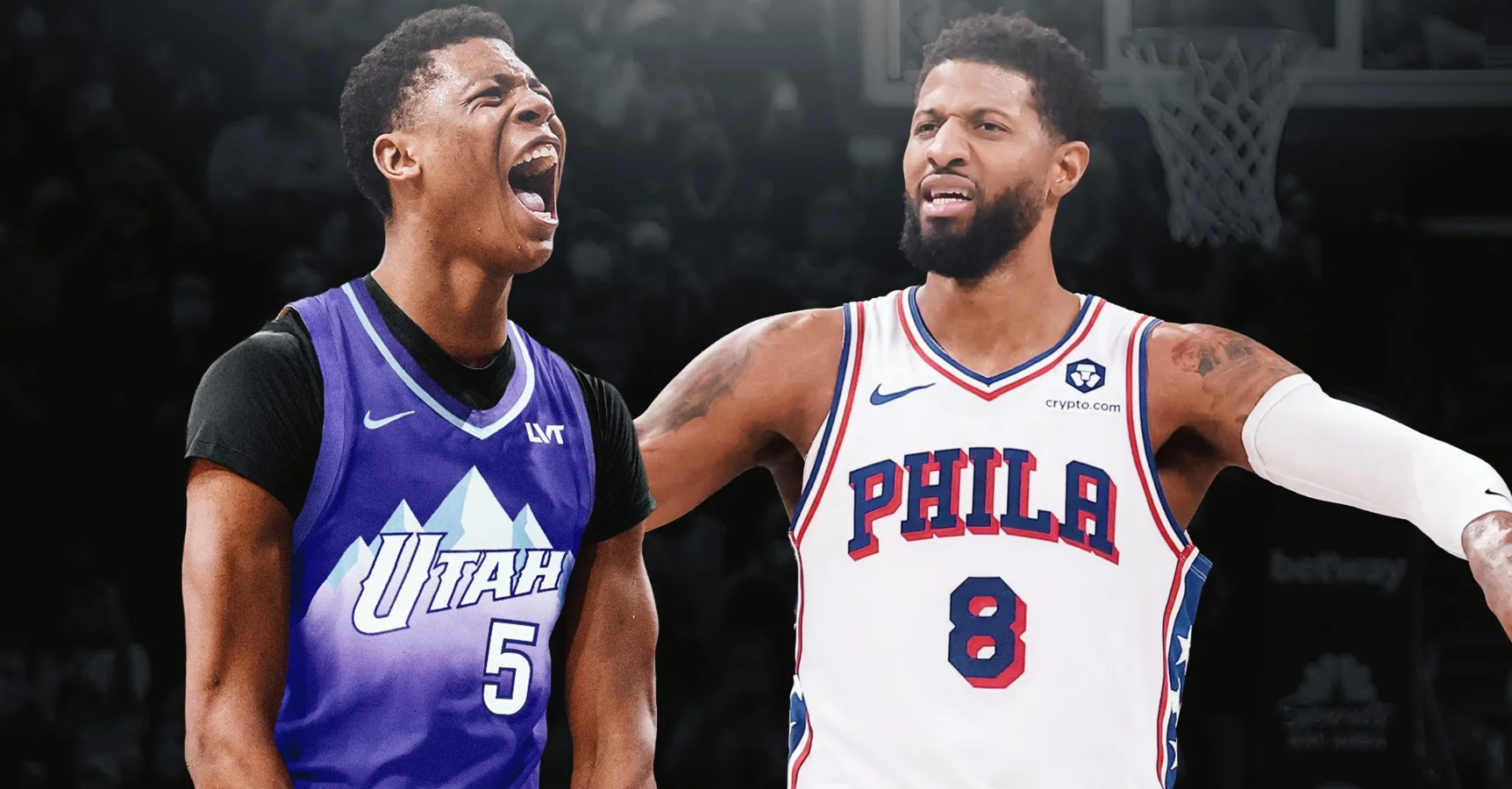
“Can we expect more teams to replicate this in the future? That is hard to predict since it would require a team to have both a historically negative contract and be in a dire situation due to compounding mistakes. If there’s one team looming with that potentially deadly combination, it’s the Sixers. They aren’t flush with future draft picks and are obligated to pay Joel Embiid and Paul George’s contracts at 35 percent of the salary cap. Embiid’s health is in serious question, and George, at 35 years old, likely won’t produce $50 million in value over the remainder of his contract. There’s a strong possibility the Sixers may have to consider stretching one of these players in the future.”
Despite this analysis, Gozlan cautioned that the Sixers are not actively pursuing this course of action as of now. However, the financial realities and player circumstances might force their hand if conditions worsen.
Understanding the Mechanics of Contract Stretching and Salary Cap Limits
To contextualize the contract stretch possibilities for Paul George and Joel Embiid, it is essential to understand the NBA’s salary cap rules. The salary cap for this season is $154,647,000, dictating that teams cannot carry more than $23,197,050 in stretched salary liabilities. This ceiling directly impacts how much of a player’s remaining contract can be spread out over multiple years after a buyout or waiver.
Paul George’s current contract has three years remaining, with about $162.4 million owed. If the Sixers opted to waive-and-stretch George this season, the remaining salary would be spread evenly over seven years. This would generate a dead cap hit of $23,197,020, just under the allowed maximum by a mere $30, meaning George’s contract is stretch-eligible immediately should the Sixers need the financial relief.
Complexities Surrounding Joel Embiid’s Contract Stretch Eligibility
Joel Embiid’s deal is even more intricate. He is due $55.2 million next season, followed by a three-year, $187.6 million maximum extension starting in 2026-27. Because the exact salary and cap figures for the extension will only be finalized next offseason, it is uncertain whether stretching Embiid’s contract is feasible right now.
Assuming his extension lands near the current projection of $187.6 million, his four years remaining—counting a $67.2 million player option in 2028-29—would stretch over nine years, resulting in a dead cap figure of about $26,985,530 annually. This figure exceeds the current maximum allowable stretch amount by nearly $4 million. To make him stretch-eligible, the Sixers would need to negotiate a buyout and attain approximately a $35 million concession from Embiid’s salary, similar to the Suns’ approach with Bradley Beal.
Moreover, Embiid’s stretch eligibility might not be attainable even next offseason. If the salary cap rises to $165,472,000 as projected by Spotrac, the cap for stretched salaries would increase to $23,638,857. However, Embiid would still be at about $26.99 million when averaged over seven years, exceeding the maximum stretch allowance.
The earliest window for embedding a stretch scenario on Embiid’s contract may be the 2027-28 season. At that point, he would have two years and nearly $130 million left, making the stretched annual cap hit around $25,946,010. Provided the cap reaches approximately $173,746,000 by then, the allowed stretch amount could rise to about $26,061,900, finally making Embiid realistically stretch-eligible.
Potential Impact and Consequences for the Sixers
In summary, the Sixers hold an escape valve through waiving and stretching Paul George’s contract immediately if needed, but that relief comes with a heavy dead cap burden exceeding $20 million annually over an extended period. Such a situation could dramatically impair Philadelphia’s capacity to build a competitive roster by restricting their salary flexibility for many years.
For Joel Embiid, the constraints of his supermax contract and fluctuating salary cap projections limit the feasibility of stretching until well into the future, likely after 2027-28. Negotiating a buyout would remain a prerequisite to reduce his guaranteed salary to stretch-eligible levels.
Both stars, despite their difficulties, remain valuable players but their contracts are now becoming significant obstacles in roster management and salary cap strategy for the Sixers, reflecting how costly long-term commitments can become when combined with injuries or decline.
Historical Context and League-Wide Trends in Handling Challenging Contracts
Looking at the bigger picture, the Bucks’ pioneering move with Damian Lillard and the Suns’ similar approach with Bradley Beal may mark the beginning of a pattern among NBA teams confronting steep salary cap obstacles combined with unfavorable contracts. Yet, such decisions require both a poor contract and dire organizational circumstances.
If any franchise embodies this risk, it is Philadelphia—with large financial commitments, waning player health, and limited trade assets. The looming tension in navigating these contracts highlights the urgent strategic dilemmas faced by the organization moving forward.