
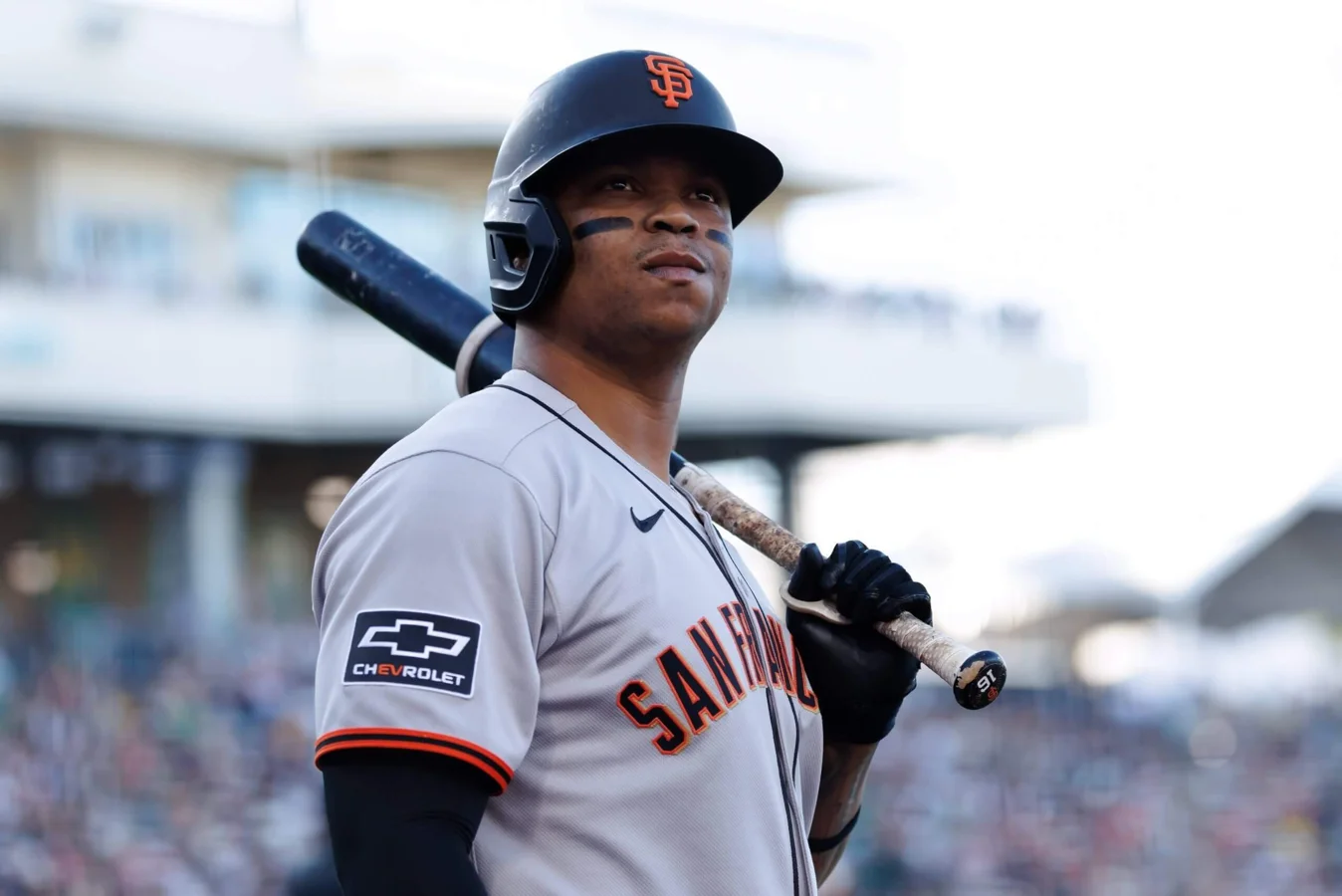

Rafael Devers has officially moved on from the tensions surrounding his time with the Boston Red Sox as he begins a new chapter with the San Francisco Giants. The trade, which took place earlier this season, brought the $260 million slugger to San Francisco, where the Giants are eager to integrate his talents into their lineup and create a stronger offensive presence.
Challenges Behind Devers’s Departure from Boston
Devers, a three-time All-Star and two-time Silver Slugger winner with a World Series title to his name, faced growing friction during his final period with the Red Sox. Despite his individual achievements, dissatisfaction with his role and team dynamics contributed heavily to his departure. His exit came as the Red Sox sought to reshape their roster while remaining competitive in the fiercely contested AL East.
The decision to trade Devers was as much strategic as it was financial. Boston aimed to free up payroll flexibility while recalibrating its team structure. Meanwhile, the Giants’ commitment to Devers with a $260 million contract signals their determination to build a powerful lineup centered around his bat.
Welcoming Devers into San Francisco’s Lineup
Giants fans have responded enthusiastically to Devers’s arrival, viewing him as a key component in their bid for success over the coming seasons. His potent combination of power hitting and contact ability aligns well with the team’s offensive goals. The Giants are hopeful that removing Devers from the pressure-filled environment of Boston will help him thrive and unlock even greater performance.
The transition to San Francisco represents an important test for Devers, both professionally and personally. If he adapts well, his presence could transform the Giants’ offense and boost their playoff aspirations.
Implications for Both Teams Moving Forward
As the Red Sox analyze the long-term impact of trading one of their star players, the Giants are focused on maximizing Devers’s contributions in the present. His progress will be closely watched by fans and analysts alike, as questions remain about whether he can maintain or exceed his Boston success with his new team. This trade marks not only a fresh start for Devers but also a turning point for two notable franchises seeking growth and success in Major League Baseball.
Our Reader’s Queries
Q. How many errors did Rafael Devers have?
A. By the end of the 2024 season, Devers had the highest number of career errors (141) among active third basemen, spanning eight seasons. Among current third basemen who played at least 500 games, he also had the lowest fielding percentage at .944.
Q. How many errors did Rafael Devers make?
A. By the close of the 2024 season, Devers had made more errors than any other active third baseman, totaling 141 in eight seasons. He also held the lowest fielding percentage (.944) among active third basemen with at least 500 games played.