
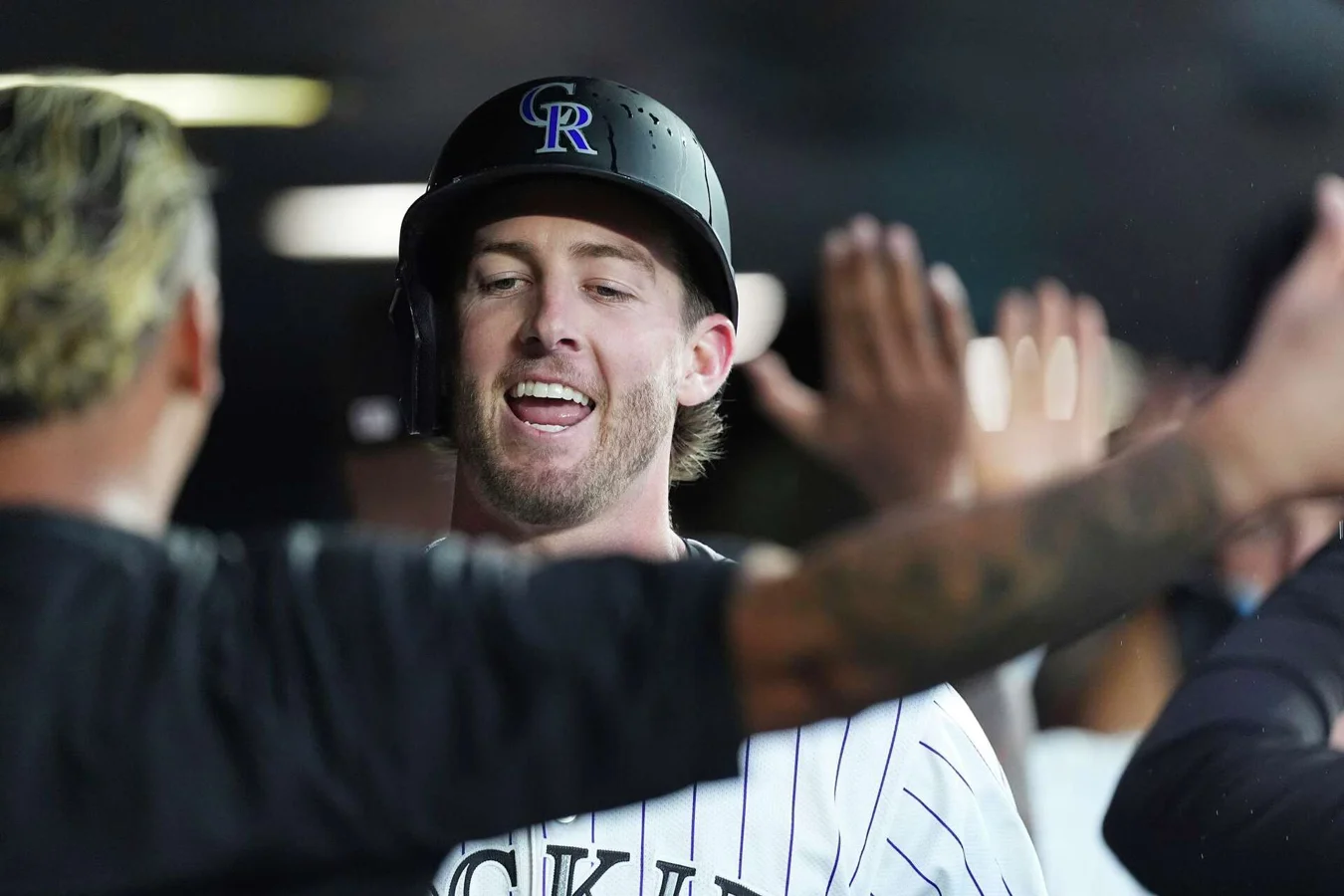

The New York Yankees completed a trade with the Colorado Rockies on Friday afternoon, acquiring veteran third baseman Ryan McMahon in exchange for two pitching prospects, Griffin Herring and Josh Grosz. This Ryan McMahon Yankees trade reflects a strategic move as teams prepare for the July 31 deadline.
Details of the Trade Between Yankees and Rockies
In the trade, the Yankees received third baseman Ryan McMahon, while the Rockies obtained left-handed pitcher Griffin Herring and right-handed pitcher Josh Grosz. McMahon brings experience and steady offense, whereas the Rockies are betting on their two young pitchers’ development. The deal required no salary retention from the Yankees, making it a straightforward exchange of talent to address immediate and future needs.
Evaluating the Yankees’ Decision and McMahon’s Fit
With the departure of DJ LeMahieu and Jazz Chisholm Jr. being moved around the infield, the Yankees needed to fill the third base position. McMahon, while not the most headline-grabbing option like Eugenio Suárez, offers defensive reliability and consistency at the plate. At 30 years old, he has shown consistent offensive production over the past five seasons, maintaining an OPS+ between 90 and 98. His strengths include power and plate discipline, although his strikeout rate remains high, nearing 32% this season.
McMahon’s performance has varied notably between home and road games, with a stronger batting average at home, .818 compared to .664 on the road, which could be a factor in evaluating his future contributions. However, moving away from the hitter-friendly environment of Coors Field may help stabilize his numbers. Playing home games in New York could suit his style better, particularly given his growing approach of lifting and pulling the ball to right field.
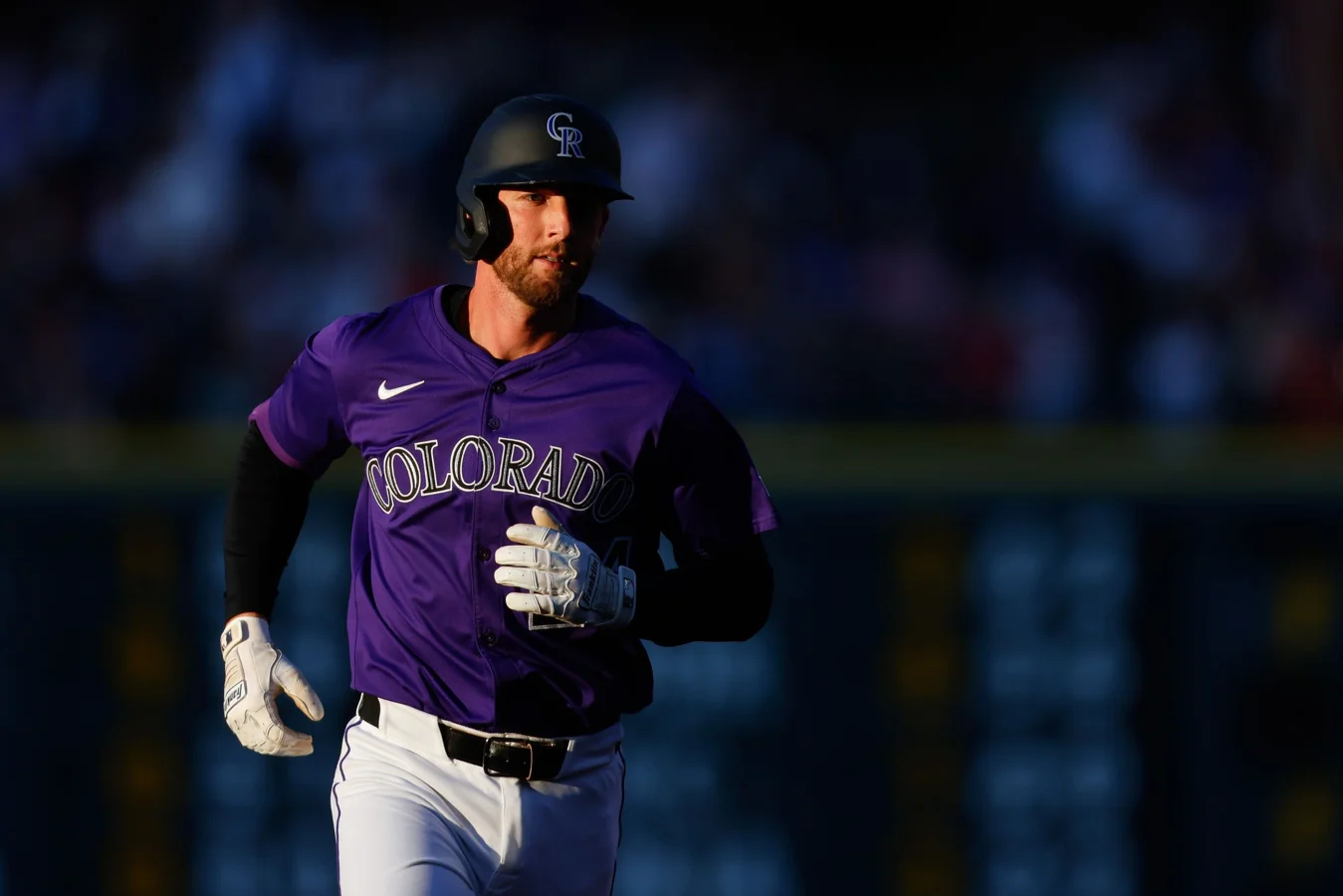
While McMahon is unlikely to suddenly transform into a superstar, his track record as a consistent 2.5- to 3-win player means he can be a valuable asset. Additionally, the Yankees’ stronger support system and better overall organizational infrastructure may aid in maximizing his performance going forward. Importantly, the Yankees acquired McMahon without sacrificing top-tier pitching prospects, marking this as a prudent move in the current market.
Rockies’ Perspective: Building for the Future with Pitching Prospects
The Rockies deemed it sensible to part ways with McMahon rather than retain him past the trade deadline. Receiving two pitching prospects in return without dealing salary obligations offers them a chance to reinforce their pitching depth. Although the return may not match the impact of similar trades, such as the Arizona Diamondbacks’ deal involving first baseman Josh Naylor, this trade still aligns with Colorado’s long-term rebuilding strategy.
Griffin Herring, a 22-year-old sixth-round pick, has transitioned from relief pitching to starting and currently boasts an impressive 1.71 ERA with a 2.83 strikeout-to-walk ratio across A-ball affiliates. His arsenal includes two fastballs in the low 90s, a changeup resembling a splitter, and a slider, with about half of his batted balls resulting in grounders. These attributes suggest he has promise as a potential rotation option in the near future.
Josh Grosz, also 22 and an 11th-round pick, has pitched mainly as a starter in High-A ball this season. He carries a 4.14 ERA and a 2.69 strikeout-to-walk ratio in his 16 appearances. Grosz’s pitching style features a low three-quarters arm slot, with a fastball in the low to mid-90s, complemented by a slider and changeup designed to induce weak contact rather than swings and misses.
Both Herring and Grosz present reasonable chances to compete for starting roles in Colorado within the next 12 to 18 months, with Herring viewed as having the better odds to succeed at the major league level.
What This Means for Both Teams Moving Forward
The Yankees’ acquisition of Ryan McMahon adds a dependable, if not spectacular, option at third base, potentially solidifying the infield while preserving pitching depth in their farm system. McMahon’s steady offensive output paired with strong defense could become valuable to New York as the season progresses.
For the Rockies, exchanging an established third baseman for two promising pitching prospects fits their current focus on rebuilding and developing young talent. Although the trade does not equate to an immediate impact, it aligns with Colorado’s longer-term goals.