
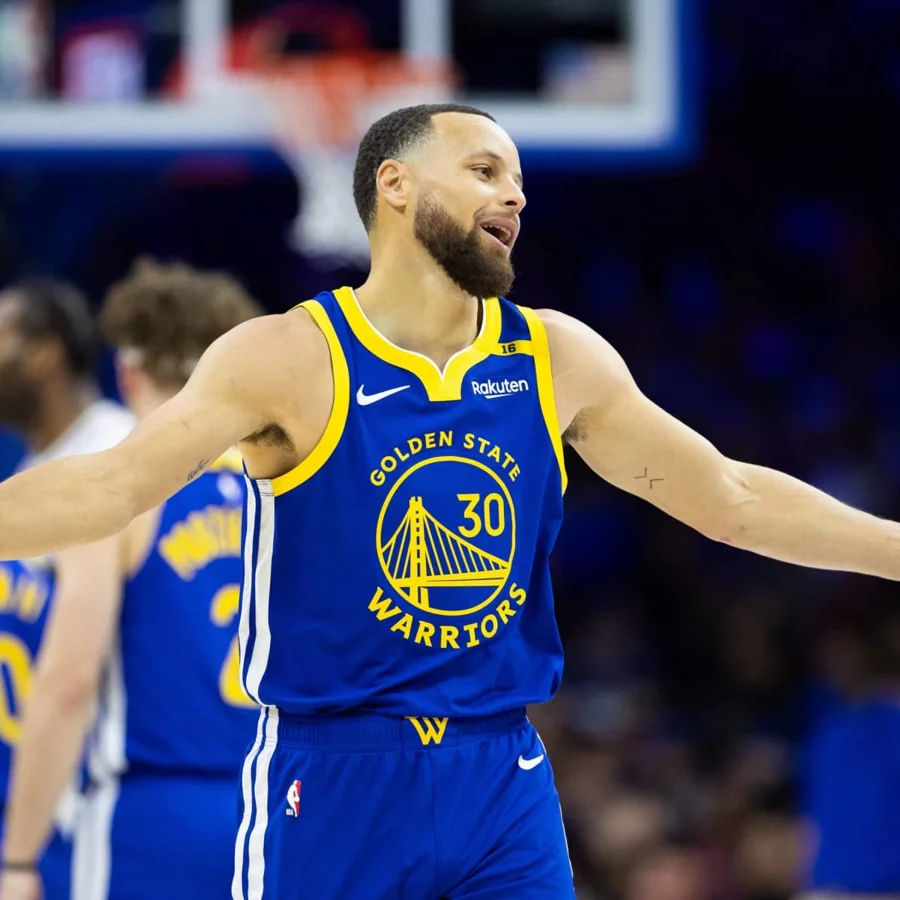

Golden State Warriors star Stephen Curry recently addressed concerns about player earnings in the NBA, expressing that despite the large contracts players receive, they remain underpaid and deserve to hold ownership stakes in their teams. Speaking in a discussion with Complex’s Speedy Mormon, Curry highlighted how the current collective bargaining agreement (CBA) prevents players from sharing in team equity during their playing careers, a restriction he believes should change.
Curry’s comments come amid a backdrop where other NBA stars like Shai Gilgeous-Alexander and Devin Booker have signed record-setting contracts, making them among the league‘s highest paid players in the coming decade. Yet even their lucrative deals fall short of allowing players to benefit from the full financial growth of the franchises they help build.
Recent Record Contracts Contrast With Curry’s Call for Equity Participation
This summer, Shai Gilgeous-Alexander agreed to a contract extension with the Oklahoma City Thunder that will pay him around $75 million in the final year (2030-31). Devin Booker, a four-time All-Star with the Phoenix Suns, also secured a deal with a similar value in its last year. These sums exceed the earnings of top athletes in other American sports, such as NFL tight end Travis Kelce and MLB home run leader Cal Raleigh, emphasizing the premium NBA players command.
During the 2024-25 NBA season, the average player salary hovered near $12 million, vastly outpacing the approximately $3 million average in the NFL. Despite these substantial figures, Curry insists the absence of ownership rights for active players means their compensation does not fully reflect their role in their teams’ success and growing valuations.
Curry Explains Why He Believes NBA Players Are Underpaid
In Curry’s words:
“I think, because of the way the CBA is structured right now, we can’t participate in equity. And that’s a big deal because it is a partnership with ownership. It’s a partnership with the league, and we’re on the short term of that revenue, Those [contract] numbers sound crazy, but what the league is doing, from whatever era you want to compare it to, to now, is probably 10x that. The idea that we can’t participate in equity while we’re playing is part of why I would say yes, we are underpaid, because we want to be able to participate in that rise.”
—Stephen Curry, NBA Player
He further added:
“Hopefully, sooner than later, those rules change a little bit so that players can participate more in the upside of team equity, the league, valuations, and all that type of stuff. Just because I think we deserve it.”
—Stephen Curry, NBA Player
Curry’s position calls for players to obtain equity stakes during their active years, rather than only after retirement, contrasting with past examples such as David Robinson, who acquired partial ownership of the San Antonio Spurs a year after retiring in 2004.
Surging NBA Franchise Values Amplify Calls for Player Ownership
The argument gains weight as NBA franchises have seen their values soar over the past two decades. Back in 2000, Forbes ranked the New York Knicks as the most valuable NBA team with a $395 million valuation. By comparison, the 2025 sale of the Los Angeles Lakers valued the team at an astonishing $10 billion.
The Golden State Warriors, with Stephen Curry as a central figure, experienced a dramatic rise in value from $168 million in 2000 to approximately $8.8 billion in 2024. This boom highlights how players contribute significantly to the increasing worth of their franchises, and why many believe they should share equitably in the financial growth.
Future Collective Bargaining Discussions to Address Equity and Spending Penalties
The current NBA CBA extends through the 2029-30 season but allows either side to opt out following 2028-29. As this date approaches, it is expected that players will push to negotiate ownership participation as part of a new agreement. Other key areas set for discussion include adjustments to the luxury tax penalties, which have heavily influenced team spending strategies across the league.
While the escalating revenues reflect positive growth for the sport overall, the ongoing negotiation process underscores the continuing tension between player compensation, ownership rights, and league economics. The outcome of these talks will likely shape the financial landscape for NBA players and franchises in the years ahead.
Our Reader’s Queries
Q. Why does Stephen Curry wear 4?
A. FIBA, the body responsible for Olympic basketball, once limited player numbers from 4-15 to simplify officiating. In 2014, FIBA removed this rule, but Team USA continues this practice in international tournaments like the Paris Olympics. This tradition explains why Curry chose that specific number.