
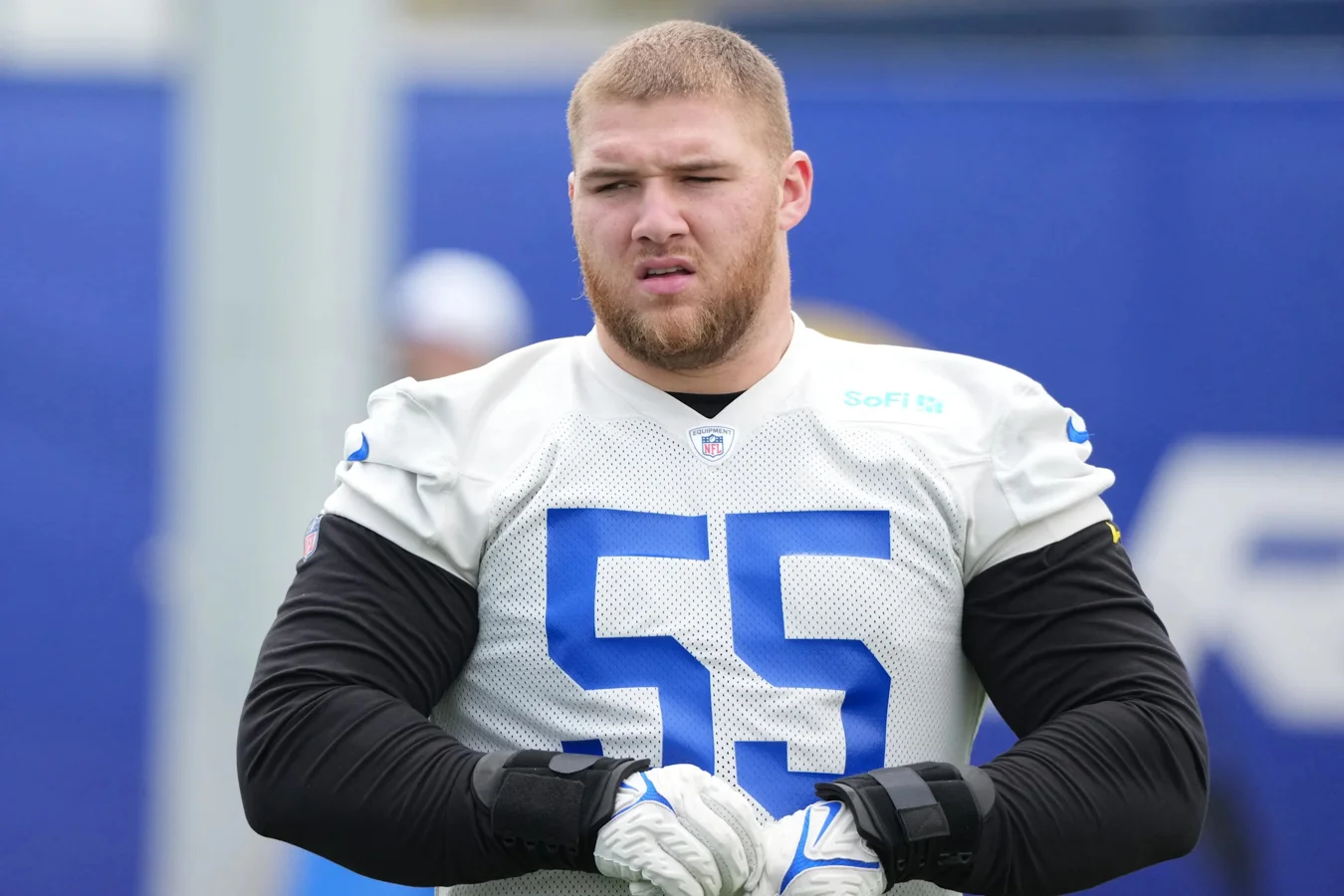

Los Angeles Rams defensive end Braden Fiske revealed that a focused offseason diet plan played a crucial role in his efforts to boost his performance for the upcoming NFL season. Inspired by advice from former Rams wide receiver Cooper Kupp, Fiske worked with a dietician to regain weight and improve his comfort level on the field.
Fiske shared,
“Cooper was a big one last year I would talk to. Just (ask) how did he make that jump in Year 2 of his career, what was stuff that elevated his game. And a lot of that was the diet. That’s a lot of what I implemented into my offseason.”
Physical Adjustments Highlighted in Offseason Preparations
Fiske focused on increasing his playing weight to over 290 pounds, a mark he associates with peak performance and stability on the defensive line. He explained,
“That’s where I feel the best at. Last year I kind of floated under 290 which was fine, but I feel a lot better when I’m a little bit heavier and ain’t getting moved around too much. So it feels a lot better at that weight.”
This physical gain aims to help Fiske maintain control against opposing offensive players.
The Rams, preparing to improve on last season’s performance, see such personal enhancements in players like Fiske as foundational to their goals.
Broader Context: Other Players’ Development and Challenges
Across the league, players are also focusing on growth and adjustments after their rookie seasons. For example, Arizona Cardinals wide receiver Marvin Harrison Jr., despite being the top wide receiver drafted last year, acknowledged his position trailing behind others in receiving yards.
Harrison stated openly,
“I’m not going to lie and say I don’t pay attention to it. You’ve got to run your own race, though. Everyone is in different situations. Everyone has different journeys. You have to focus on yourself. But, I’m not gonna lie.”
His teammate, tight end Trey McBride, noted Harrison’s dedication this offseason, saying,
“He puts the work in every single day. He’s a guy who can be a force to reckon with. As a rookie your eyes are wide, you’re trying to find your place in this league. Now he has a year. He knows what is expected of him.”
Harrison also increased his weight from around 209 pounds to 220 pounds this offseason, underlining the importance of nutrition and diet in his physical development. He noted that maintaining appetite and intake is a challenge:
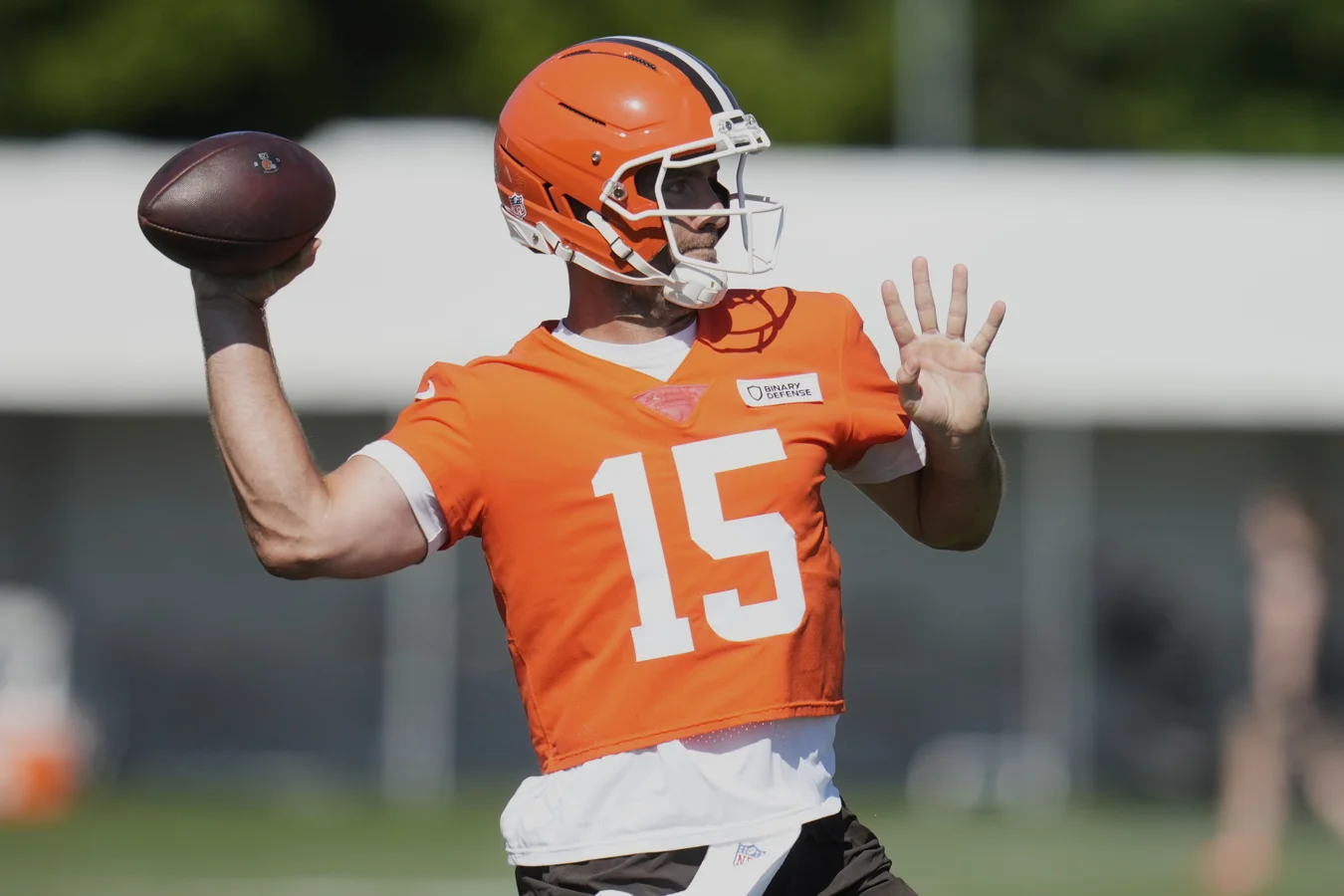
“That’s probably the biggest challenge, waking up not hungry but making sure you feed yourself.”
Coaching Insights on Defensive Player Development
In Seattle, Seahawks defensive coordinator Aden Durde highlighted the growth needed for outside linebackers Boye Mafe and Derick Hall. Durde pointed out that Mafe must become effective across all defensive downs rather than just in pass-rush scenarios, asking,
“Can he bring the game to life on first and second just like he brings the game to life on third down?”
Regarding Hall, Durde commented on improving efficiency, warning that,
“Sometimes D-Hall is like a bull in a china shop. He wastes energy at times. … How efficient can he be? How can he bring his edge moves to life?”
Such evaluations underscore the ongoing refinement required as players mature in the league.
Impact and Outlook for the Rams’ Season
Braden Fiske’s commitment to a carefully structured offseason diet, incorporating expertise from nutrition specialists and veteran players, signals a broader trend within professional football where physical conditioning and nutrition are vital parts of player development. As the Rams pursue a stronger season, Fiske’s approach may serve as a model for teammates seeking improvements in strength and endurance.
His regained weight and enhanced stability should translate into a more formidable presence on the defensive line, helping the Rams defend against increasingly competitive offenses. With offseason adjustments underway for key players on various teams, the NFL landscape appears set for another season marked by elevated performances rooted in off-field discipline and physical care.