
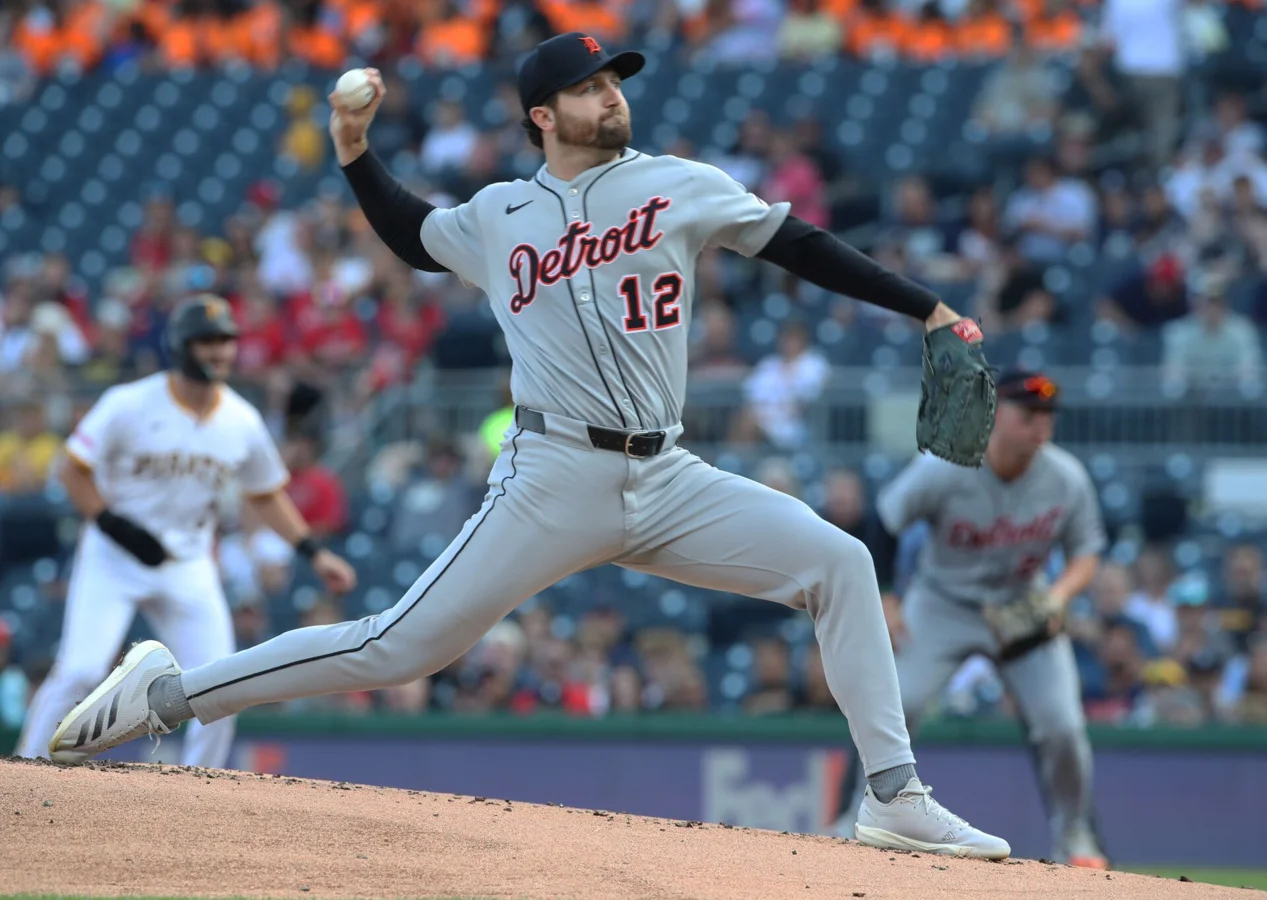

Detroit Tigers pitcher Casey Mize has become a rising concern for fantasy baseball managers approaching the trade deadline, with many opting to trade him rather than acquire him. This shift reflects increasing doubts about Mize’s ability to maintain his early-season success throughout the demanding summer months.
Data from PFSN highlights this trend clearly: fantasy users are now twice as likely to trade Mize away as they are to add him to their rosters in July, signaling mounting skepticism regarding his durability and consistency.
Signs of Decline in Casey Mize’s Performance After the All-Star Break
Mize’s first game following the All-Star Break intensified concerns among fantasy managers. Facing the Pittsburgh Pirates, Mize allowed 10 hits in just four innings, a performance that dashed hopes his strong first half would carry through the rest of the season. This outing underscored the possibility that his early statistics may not hold up during the crucial late-season period.
Underlying metrics reveal worsening performance within games. Opponents’ success rate improves notably each time they face Mize during a game: his opponents register a .692 OPS when seeing him for the first time, which climbs to .735 on their second at-bat and rises further to .786 by their third encounter. This pattern indicates Mize becomes less effective over multiple innings, imposing greater pressure on Detroit’s bullpen and limiting his ability to pitch deep into games.
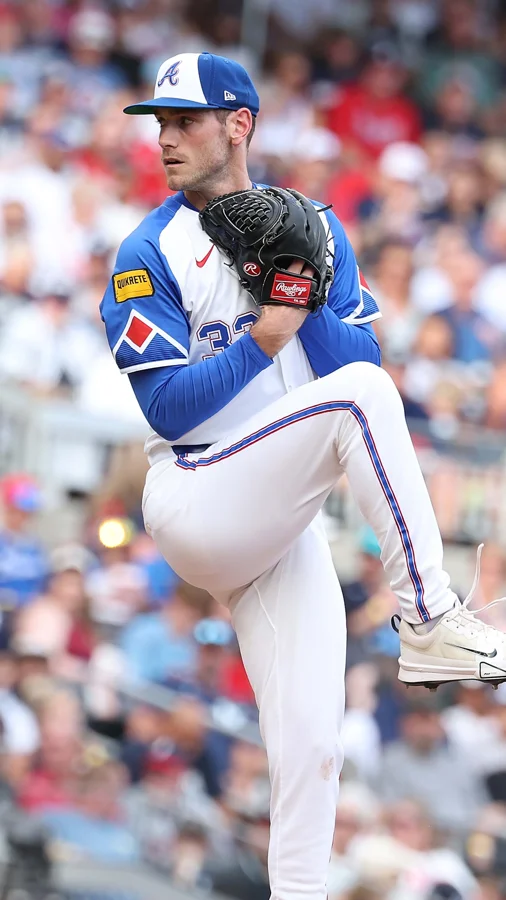
For fantasy managers relying on quality starts and sustained innings, this decline poses a significant problem. The ability to maintain effectiveness across several innings is essential in modern baseball, and Mize’s struggles against hitters seeing him multiple times reveal potential challenges in meeting these expectations during the season’s final months.
Impact of Pitching Mechanics Changes on Mize’s Risk Level
Apart from fatigue, Casey Mize has experienced a significant change in his pitching approach this year, which raises his overall risk profile. His flyball rate has jumped to over 41% this season, compared to under 30% earlier in 2024.
While flyballs can sometimes generate weak contact and enable strikeouts in favorable settings, they also increase the chances for extra-base hits. This risk is especially notable during late summer when warmer weather conditions allow baseballs to travel farther, turning flyballs into more dangerous hits.
This timing is problematic, as August and September tend to favor hitters due to rising temperatures and more hitter-friendly environments. Mize’s increased reliance on flyball-inducing pitches thus raises the likelihood of disappointing outings, making him less dependable when fantasy owners need consistent performance most.
This development complicates matters for dynasty league managers and playoff contenders alike. Although Mize’s early success generated optimism about his potential, the combination of signs of fatigue and a less advantageous pitching profile suggests he has vulnerabilities that may become more pronounced during the most critical points of the season.
Fantasy Strategy Implications Amid Rising Doubts on Casey Mize
The growing recognition of Mize’s shifting profile is clearly reflected in the PFSN Fantasy Baseball Trade Analyzer. Increasing flyball tendencies alongside declining effectiveness against repeat batters create a challenging outlook for the pitcher in late-season contests.
Experienced fantasy managers understand that maintaining players with such warning signs risks tying up valuable roster spots with underperforming assets during playoffs. This reality encourages a more cautious approach toward holding onto Mize as his value appears to be slipping.
Those still including Mize on their rosters need to evaluate their league format and standings carefully. In redraft leagues where immediate contributions are critical, trading Mize sooner rather than later reduces the risk of further decline.
Dynasty managers face a more nuanced dilemma, having to balance Mize’s long-term potential against the possibility that his current difficulties could represent a deeper regression. The market is already adjusting to this reality, making it harder to obtain premium returns for trading him.
Recognizing Mize’s decline before it fully appears in traditional stats can give savvy fantasy owners an edge over those who wait for obvious drops in performance. As this situation illustrates, success in fantasy baseball often depends on trusting data-driven insights and making tough decisions before values deteriorate.