
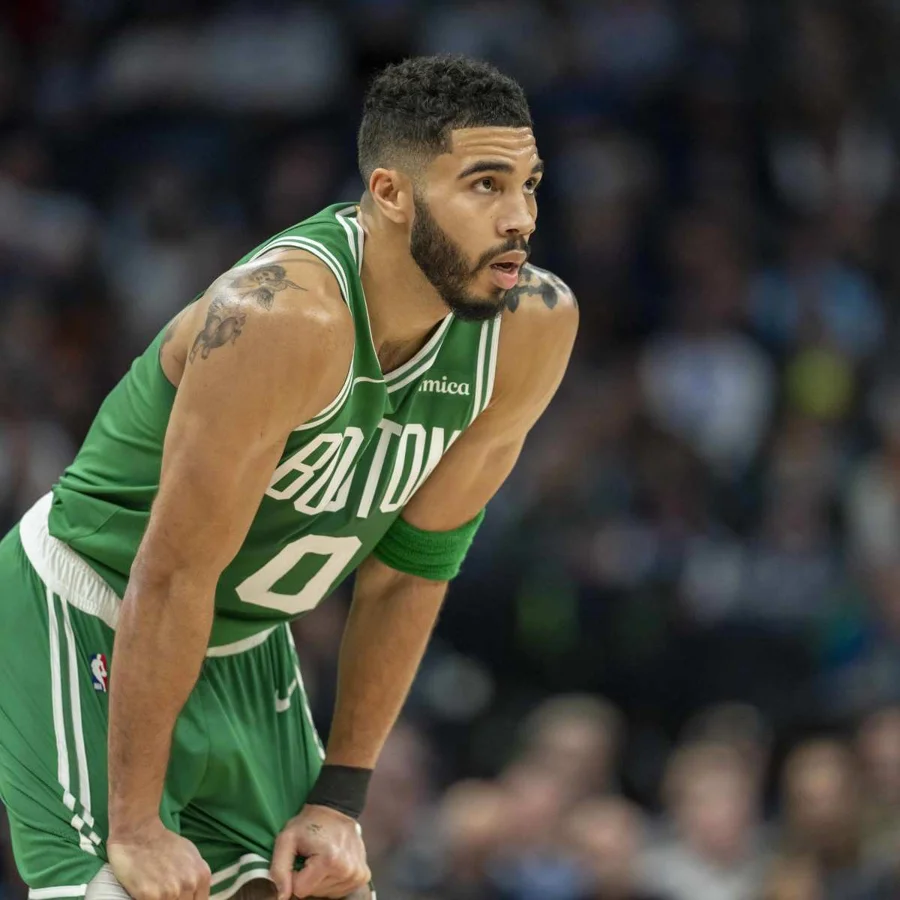

Jayson Tatum’s torn Achilles during the Celtics’ series against the Knicks has forced Boston to confront a challenging future. The injury requires surgery and a prolonged recovery period, leaving the team to navigate the upcoming seasons without their star player, which places the Celtics’ long-term strategy in question.
In the wake of Tatum’s injury, the Celtics’ broader approach is under intense scrutiny as they weigh how best to secure sustained success beyond the immediate setback.
Significant Changes Shake Up Boston’s Roster and Leadership
The Celtics have recently undergone a notable shift in personnel. Following Tatum’s injury, the front office has traded away Jrue Holiday and Kristaps Porzingis, both critical contributors during the team’s championship run. Additionally, Luke Kornet secured a four-year, $41 million contract with the Spurs, while speculation mounts around Al Horford’s future with the team. These moves mark a rapid dismantling of the Celtics’ previous core.
Boston’s prolonged absence from securing lottery picks since drafting Tatum in 2017 has limited access to high-end young talent, as the team typically finds itself in late first or second-round draft spots due to consistent playoff contention. This raises pressing questions about who will eventually lead the franchise once Tatum and Jaylen Brown begin to age out of their prime.
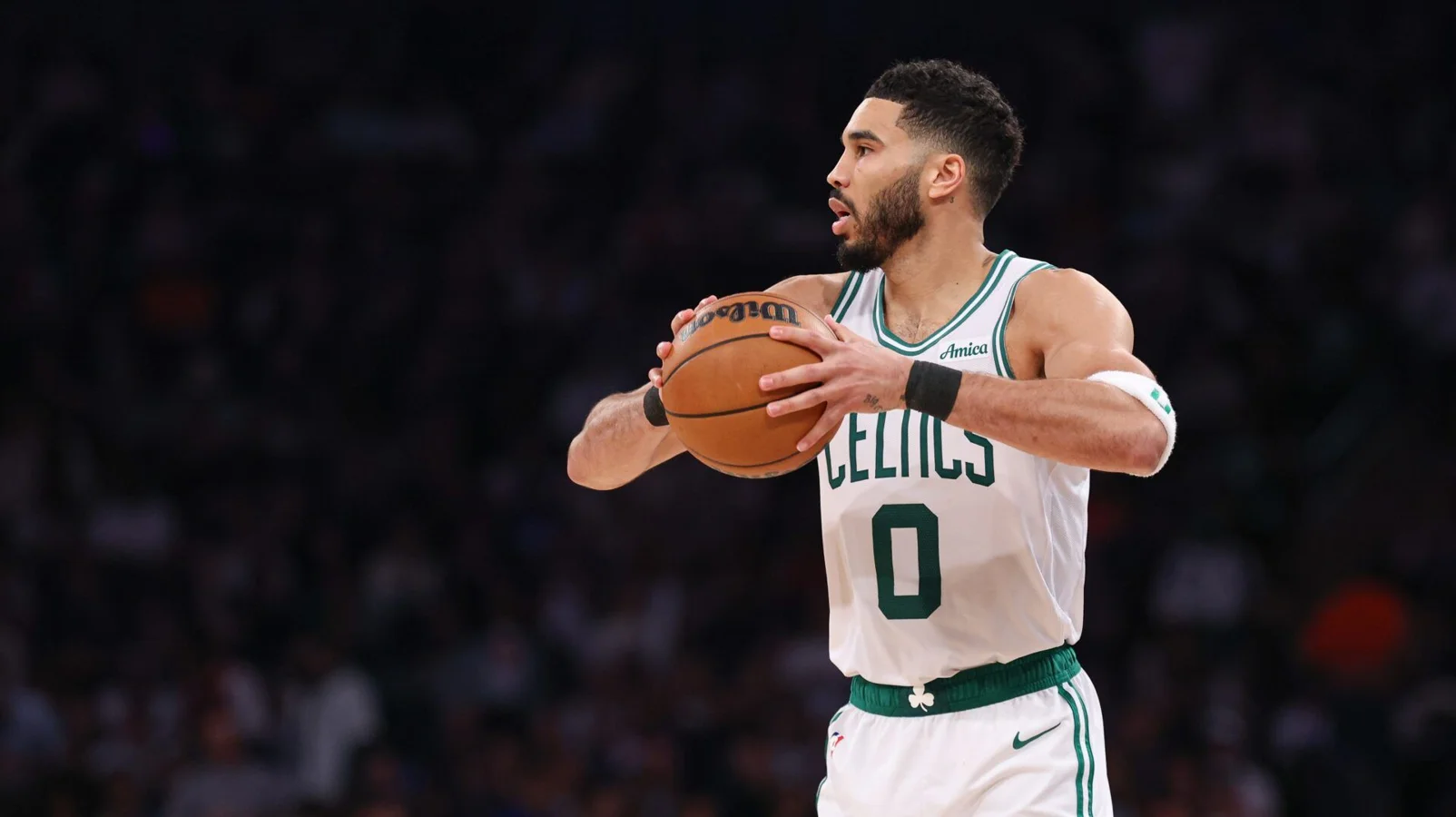
Boston Looks Toward Youth to Build for the Long Term
The current Celtics roster lacks a young player ready to step up as a long-term leader. With an eye on the 2026 <a href=”https://www.buzzineintl.com/category/basketball/nba/”>NBA draft, Boston is considering how to inject promising talent to ensure future competitiveness. Among prospects, Massachusetts native AJ Dybantsa stands out as a likely top pick. At 6’9″, his blend of size and skill could make him an immediate asset when Tatum returns to health.
The Dallas Mavericks have pursued a comparable rebuilding strategy, focusing on Cooper Flagg as a future cornerstone. If Boston embraces tanking next season, they increase their odds of obtaining a high draft pick, which might unearth another star with the potential to fill the gap left by Tatum’s absence.
Strategic Shift to a Younger, Competitive Core
Recent transactions involving Anfernee Simons and Luka Garza, exchanged for Holiday and Porzingis, not only reduced the Celtics’ payroll but signaled a commitment to youth development. Despite Tatum and Brown remaining in their prime years at 27 and 28, Boston now has the luxury of focusing on developing younger talent like Jordan Walsh, Neemias Queta, and rookie Hugo Gonzalez.
It is a unique moment where the franchise‘s seasoned stars can anchor the team’s resurgence in the future while the younger players gain experience and enhance their trade value, offering Boston multiple options moving forward.
Balancing Immediate Challenges with Long-Term Goals
Adopting a tanking strategy aligns with Boston’s timeline, given Brown’s continuing prime and Tatum’s pending rehabilitation. A deliberate rebuilding year could allow the Celtics to utilize cap flexibility and focus on grooming their younger players, improving the team’s outlook once Tatum returns.
Still, tanking conflicts with Boston’s proud tradition of winning and competitiveness. The franchise holds the most NBA championships in history and has not endured a losing season since 2013-14. Tatum’s recent 2024-25 campaign showcased his elite ability, with averages of 26.8 points, 8.7 rebounds, and 6.0 assists per game, along with a Player Efficiency Rating of 23.6.
His playoff dominance, averaging 28.1 points and 11.4 rebounds per game, further underscores his value to the Celtics. Yet, faced with this offseason’s upheaval, Boston must realistically consider whether stepping back temporarily is necessary to secure future success.
Looking Ahead: The Road to Boston’s Next Championship Contention
The injury to Jayson Tatum marks a pivotal moment for the Celtics, pushing them to evaluate whether to stay competitive now or rebuild for sustained future success. With a reshaped roster, emerging young talent, and key veterans still signed long-term, Boston faces a delicate balancing act between preserving its culture of winning and adapting to changing circumstances.
The decisions made in the upcoming months will define the Celtics’ trajectory in the years to come, determining if a period of strategic rebuilding can lead to renewed championship aspirations once Tatum and Brown return to form.
Our Reader’s Queries
Q. Is Jayson Tatum religious?
A. Jayson attributes his achievements to the lessons from his mom, his faith, and his dedication to working hard and not giving up. His go-to Bible verse, Philippians 4:13, saying, “I can do all things through Christ who strengthens me,” guides him in both his career and personal life.
Q. Is Jayson Tatum a gen Z?
A. Tatum also impacts culture. Being part of Gen Z helps him relate to younger fans and athletes, reflecting both the NBA’s current style and values.