
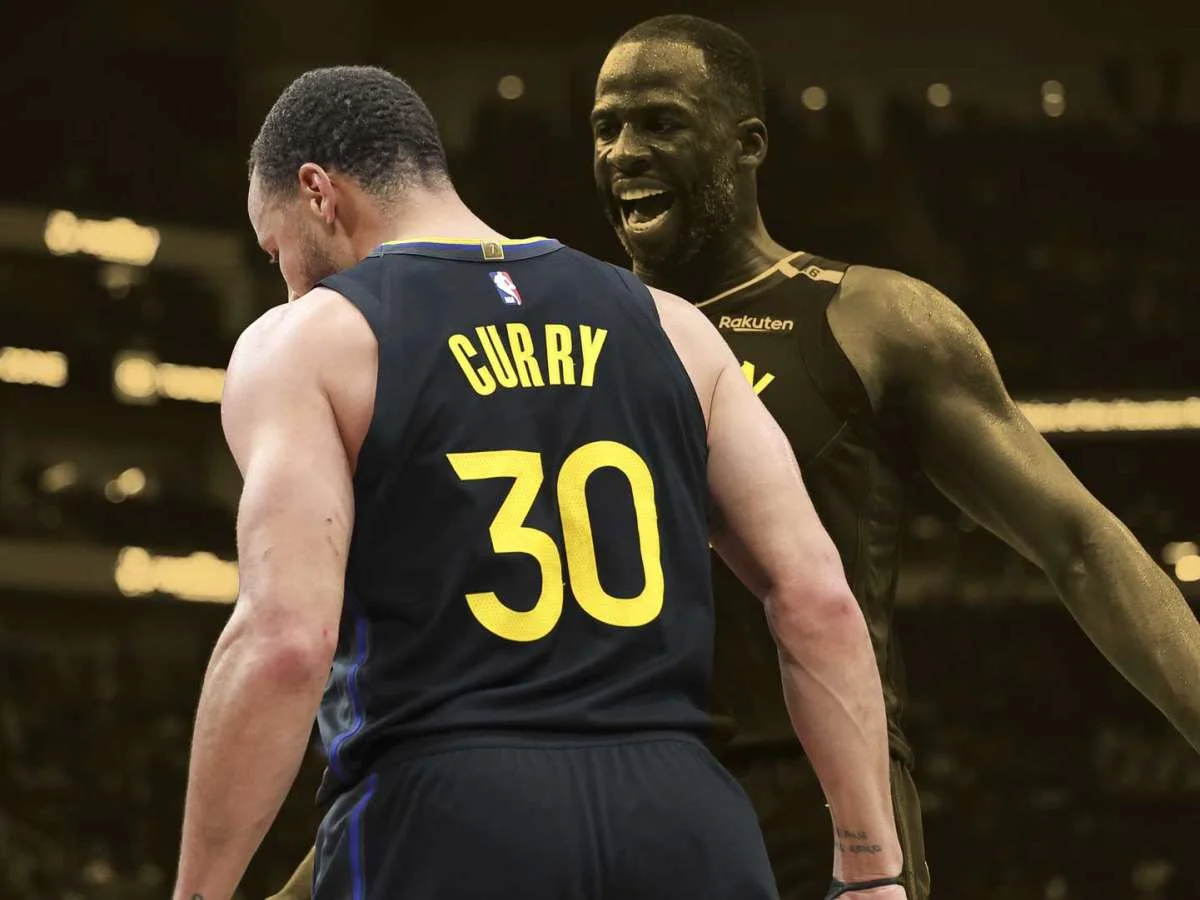

Stephen Curry’s NBA legacy continues to strengthen as he remains a central figure in basketball’s evolving history. Throughout recent decades, players like Kareem Abdul-Jabbar, Larry Bird, Michael Jordan, Kobe Bryant, and Shaquille O’Neal have shaped the sport, paving the way for icons such as LeBron James and Curry himself. These two have dominated the modern era, each significantly impacting the NBA’s trajectory.
Meanwhile, a new contender has surfaced in Nikola Jokic, whose rise adds fresh energy to the league‘s competitive landscape and complicates ongoing debates about the greatest players of this generation.
Nikola Jokic’s Unexpected Rise to Prominence
Drafted 41st in 2014, Nikola Jokic initially escaped widespread attention, with his potential often overshadowed by more celebrated figures. Despite this, Jokic blossomed into a key player for the Denver Nuggets, earning three MVP awards and eventually leading his team to an NBA championship. His blend of finesse and versatility positions him as one of the most dominant forces on the court today.
Basketball analyst Jason Timpf discussed their comparison on Hoops Tonight, noting,
“Jokic’s peak is higher than any peak of Steph’s career, but Steph’s overall accomplishments are so much greater… you have to have Steph above Jokic on all-time lists.”
—Jason Timpf, Basketball Analyst
Stephen Curry’s Transformative Impact on Basketball Culture
Curry’s career achievements include four NBA titles, eleven All-Star selections, two MVP awards, and a Finals MVP, underscoring his role in changing the sport’s dynamics. While Jokic has revolutionized how the center position is played, Curry has redefined basketball’s very style, inspiring a cultural shift that embraces shooting and pace more than ever before.
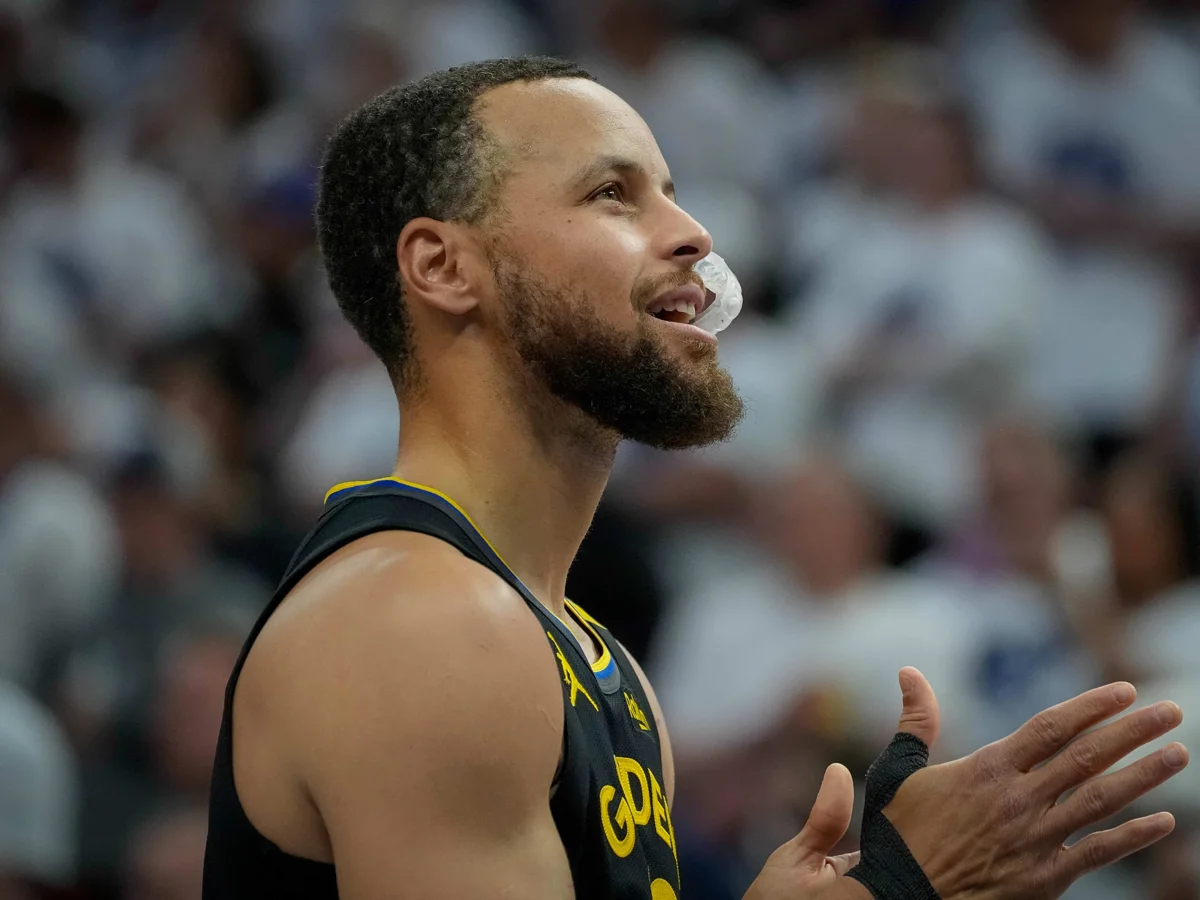
In contrast to Jokic’s impressive playoff stats in 2023—averaging 30 points, 13.5 rebounds, and 9.5 assists across 20 postseason games—Timpf points out a crucial difference:
“He wasn’t quite as reliable getting separation and creating shots for himself at the end of games.”
—Jason Timpf, Basketball Analyst
This late-game clutch shot-making ability remains a distinctive edge for Curry, highlighting why he is often seen as the more dependable closer in tight moments.
The Importance of Championship Rings in Defining Greatness
Although Jokic’s MVP titles are remarkable, Curry’s four championship rings carry significant weight in assessing overall legacy. Even when discounting the two titles won with Kevin Durant’s support, Curry’s accomplishments stand independently strong. Jokic’s single championship so far leaves his narrative incomplete when compared to Curry’s sustained success.
Discussions about their supporting casts add further nuance. Curry competed alongside some of the league’s elite talent, particularly during Golden State’s dominant years with Kevin Durant. However, Curry had already revolutionized the game and led his team to victory before Durant’s arrival, establishing his greatness on his own merits.
The Quest for an Historic Fifth Championship Ring
A fifth ring would mark a new milestone for Stephen Curry, propelling him into the realm of NBA royalty alongside legends like Kobe Bryant, Magic Johnson, and Tim Duncan. It would also allow him to surpass LeBron James in championship count, altering the conversation about his place in basketball history. Such an achievement would demonstrate Curry’s sustained excellence across different team contexts, solidifying his status beyond debate.
As Jokic promotes himself in China, the ongoing dialogue around Curry’s legacy intensifies. Championship rings symbolize much more than victories; they represent defining moments that shape basketball’s story. While Jokic’s dominance impacts the game inside the paint, Curry captures defining moments with unforgettable style and clutch performances. Should he secure a fifth championship, his legacy will be celebrated with lasting reverence in arenas around the world for years to come.
Our Reader’s Queries
Q. Why does Stephen Curry wear 4?
A. FIBA, the governing body for Olympic basketball, previously limited player numbers to 4-15 to simplify things for referees. In 2014, FIBA removed this rule, but Team USA continues using these numbers in international competitions like the Paris Olympics. This is why Curry, who chose the No.