
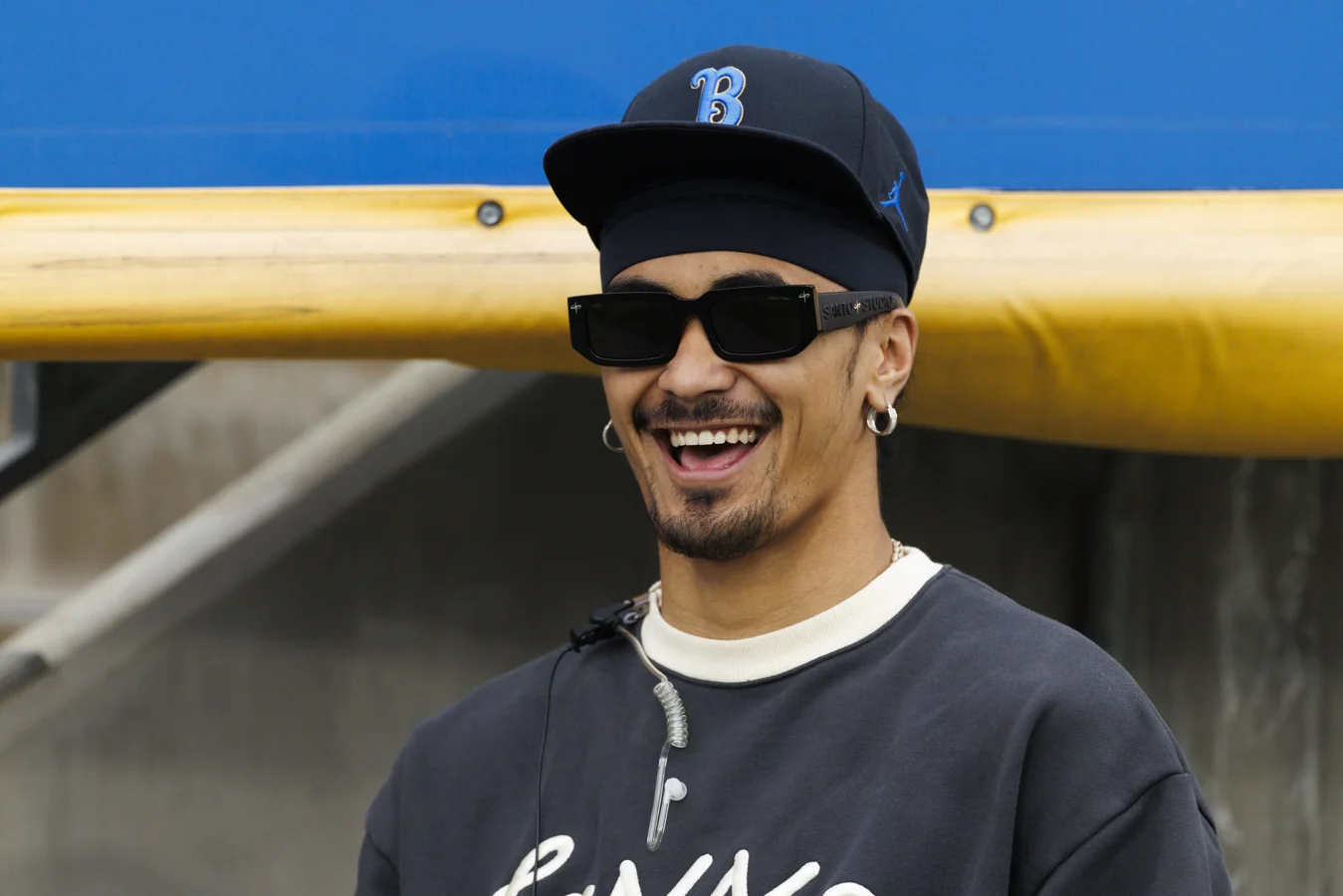

Stewart Friesen’s third-place finish at Indianapolis Raceway Park was overturned after his No. 52 Toyota truck failed the post-race inspection due to being too low in the front, sparking widespread criticism from NASCAR fans. The incident occurred on July 25, coinciding with Friesen’s 42nd birthday and his 200th Truck Series start, intensifying disappointment over the NASCAR disqualification controversy involving Stewart Friesen.
NASCAR officially placed Friesen last in the race order, stripping him of stage points as a result of the violation. This disqualification marked the tenth such occurrence across NASCAR’s national series so far this year. The rule, introduced in 2019, aims to prevent aerodynamic advantages gained by running the truck at illegal ride heights. Despite the intended fairness, fans and critics alike questioned the relevance and enforcement of the height regulations.
Online reactions on platforms like X revealed frustration over how the technical rule affected Friesen’s celebration and race results.
“Way to ruin a guys birthday!” a fan commented.
“Wow really!!!! That’s ridiculous, there are more important things to worry about than that. That’s one reason why I stopped watching,” another user wrote.
Criticism also targeted the technical aspects and financial implications of the ride height rules, with some pointing to the broader motorsports community’s different approach.
“It’s 2025, ride height rules are ridiculous, when Late model stocks went to no ride height rule, like cup, the cost of there springs went from $1000-$1500 dollar rentons to $75 to $100 straight springs you can buy pretty much anywhere. The rest of motorsports is laughing at us,” shared another fan.
“So it passed pre-race inspection. They ran the race and somehow the truck didn’t pass ride height in post-race. The process is flawed when this can keep on happening,” commented a critic.
The contentious rule forces teams to maintain a delicate balance, often pushing truck setups to risky limits where minor malfunctions can lead to disqualifications. Engineers are thus challenged to optimize performance while avoiding infractions, leading to ongoing debate about the rule’s fairness and implementation.
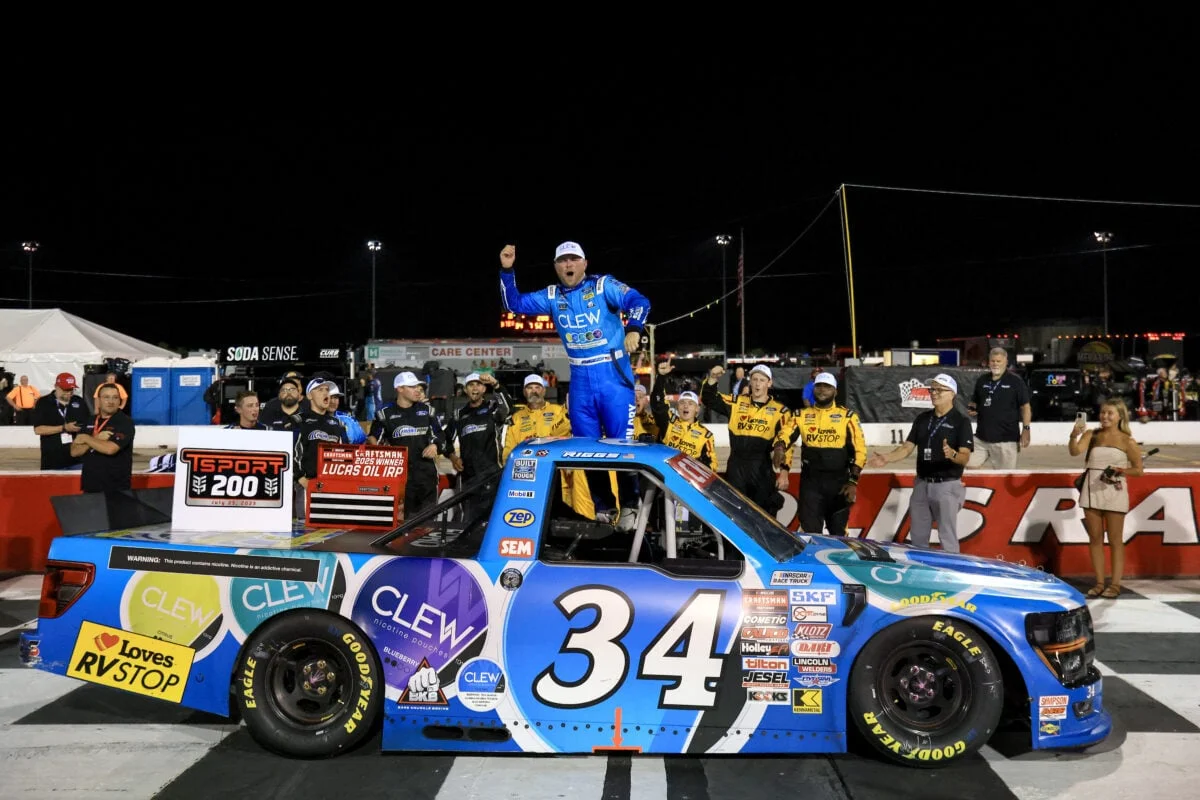
Appeal Underway as Friesen’s Team Blames Mechanical Failure
Stewart Friesen began the TSport 200 race in 21st position but moved up strategically by pitting early for fresh tires, allowing him to lead briefly at the start of the final stage and secure what initially appeared to be a top-three finish. The disqualification, however, dropped him from a strong points position and moved him down the regular-season standings from 10th to 13th place.
Halmar Friesen Racing, Friesen’s team, announced plans to contest the penalty, claiming that a component failure during the race—beyond their control—was responsible for the ride height discrepancy. The team expressed their position in an official statement shared by Friesen on X.
“The Halmer Friesen Racing team will be going to the NASCAR Appellate Board after our third-place disqualification. … We believe the post-race heights disqualification was caused by a part malfunction that occurred during the race by circumstances out of our control,” the team shared in an online statement shared by Stewart Friesen on X.
Despite the setback, Friesen remains playoff-eligible after winning a dramatic triple-overtime race at Michigan Raceway earlier in June, ending a 72-race winless streak. His place in the upcoming playoffs, which begin at Darlington Raceway in August, remains secured.
This disqualification controversy surrounding Stewart Friesen NASCAR disqualification controversy highlights the ongoing tension between technical regulations and competitive fairness. The appeal process now puts focus on how NASCAR manages rules enforcement and the potential consequences for drivers and teams aiming for championship success.