
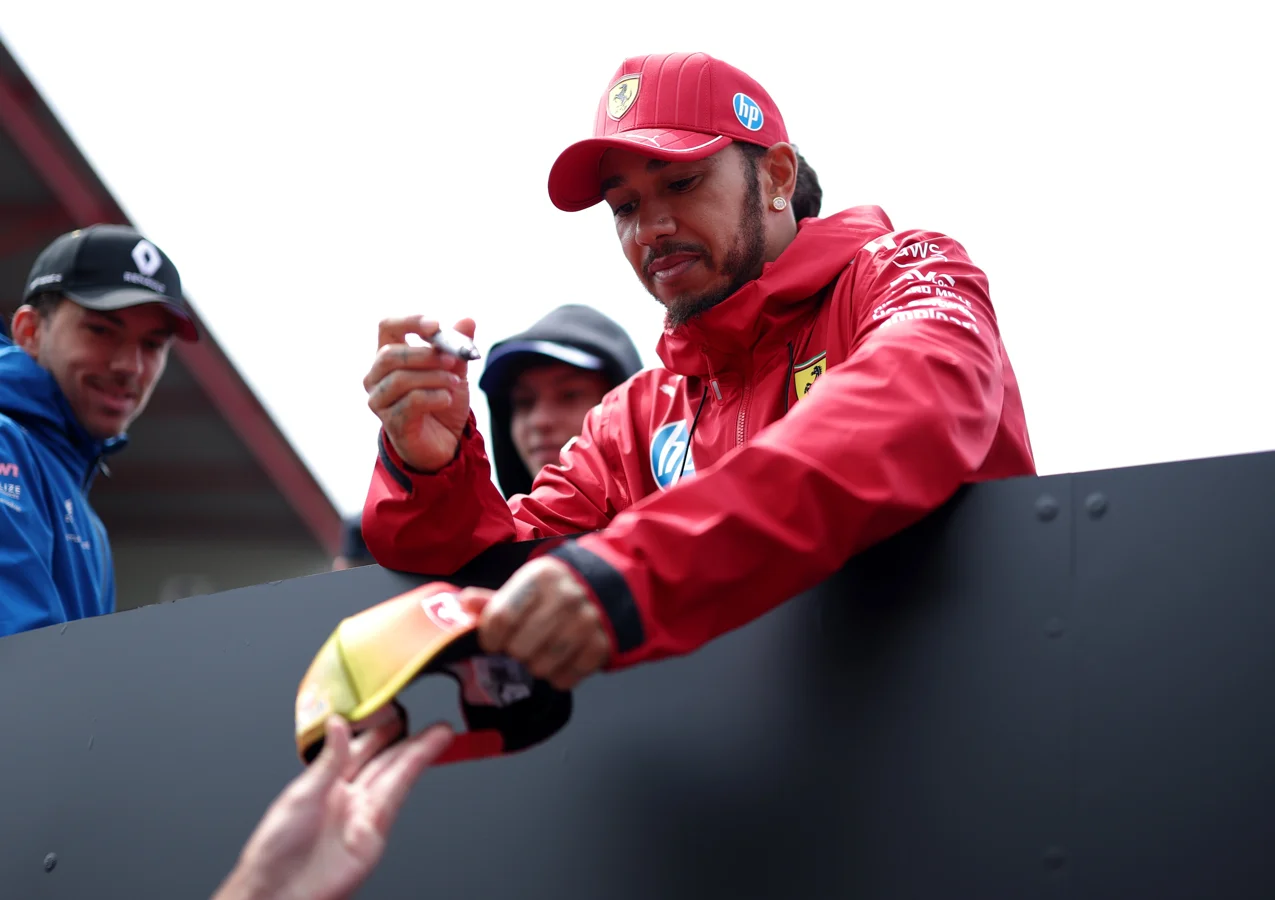

Seven-time World Champion Lewis Hamilton openly criticized the FIA for what he described as an overly cautious approach to managing the wet conditions at the Formula 1 Belgian Grand Prix held at Spa-Francorchamps. The race was delayed for more than an hour due to poor visibility caused by heavy rain, sparking frustration among several drivers, with Hamilton especially vocal about the extended wait before the race finally began.
Impact of Previous Race Influences Race Control Decisions
Hamilton, who launched an impressive drive from the pit lane to finish seventh, blamed the lengthy delay on the FIA’s reaction to the controversial start at the British Grand Prix in Silverstone. He argued that fearing a repeat incident caused race officials to be excessively cautious, resulting in a rolling start that he felt was not necessary under the conditions. This influence from the prior race’s events appeared to weigh heavily on the officials’ cautiousness during the Belgian GP.
Drivers Concerned About the Future of Wet Racing Challenges
Max Verstappen also expressed concerns that halting races in wet conditions could diminish the traditional excitement of Formula 1’s wet-weather contests. Hamilton shared this viewpoint, noting that the Spa race could have started earlier, particularly as his car had been specifically prepared for wet conditions. Despite the spray at Spa being effectively fog-like, Hamilton believed that a standing start was possible, especially as track conditions improved near the race’s conclusion.
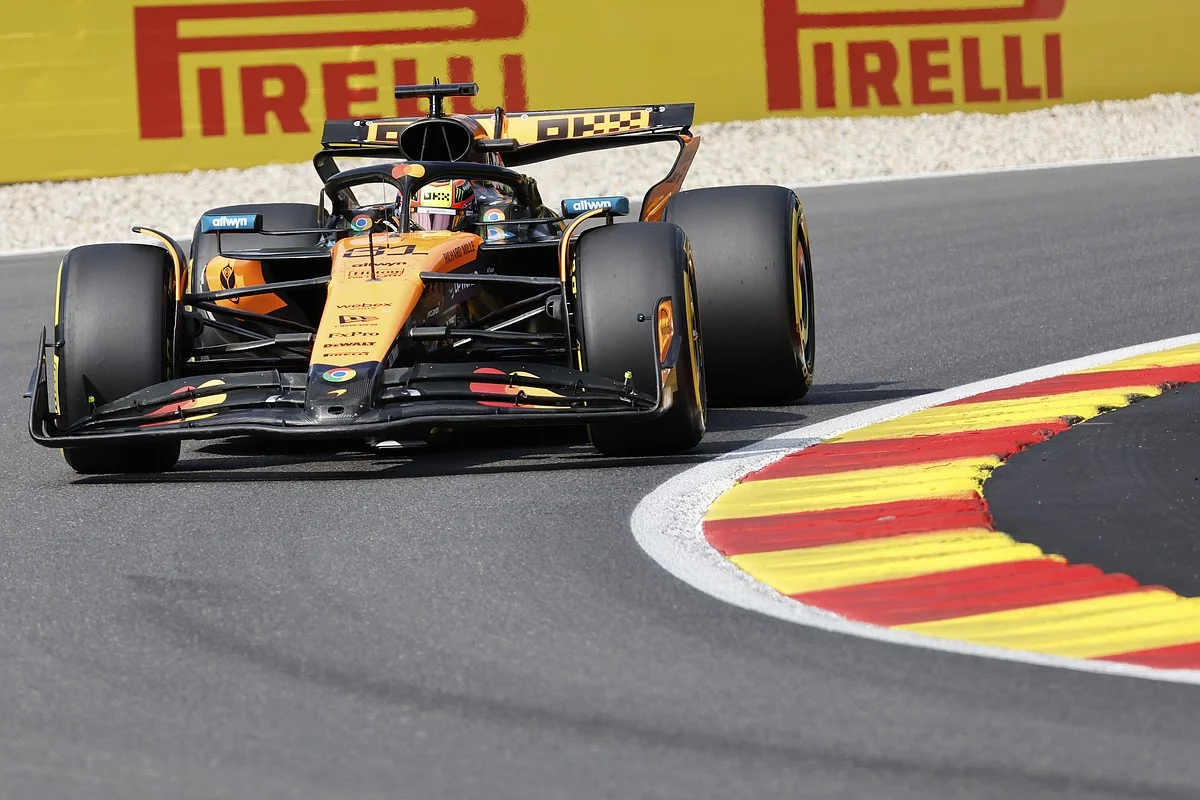
Hamilton Critiques FIA’s Focus on Visibility Over Thrill
Hamilton took issue with the governing body’s emphasis on visibility, suggesting that the FIA missed an opportunity to showcase the thrilling challenge of racing in extreme wet conditions. He highlighted that the significant spray during the race created a fog-like atmosphere, adding a unique dimension to the challenge for drivers. However, Hamilton felt that the decision to delay the start sacrificed some of the sport’s excitement and competitive spirit in favour of cautious safety measures.
The Debate Over Safety Versus Race Excitement Continues
Following the event, Hamilton expressed disappointment with how the FIA handled the red-flagging of the race, attributing the cautious approach to the increased focus on safety after the British Grand Prix incident. While he acknowledged that safety is paramount, Hamilton called for a more balanced stance that preserves the dynamic excitement of wet-race conditions without compromising driver welfare. This ongoing debate has highlighted the F1 community’s struggle to find the right balance between safety protocols and preserving the sport’s dramatic elements.
Implications for Future Wet Condition Races
The criticisms from Hamilton and Verstappen have intensified discussions on how Formula 1 race control will manage wet-weather events moving forward. Fans and drivers alike watch closely as the season continues, wondering whether race officials will adjust their protocols to accommodate both safety concerns and the thrilling unpredictability that comes with racing in challenging wet conditions. The outcome will likely shape how these races unfold and the level of excitement that wet Formula 1 races can deliver in the future.
Our Reader’s Queries
Q. Is number 13 banned in F1?
A. Yes, the number 13 is allowed. In 2014, Pastor Maldonado chose #13 when the permanent number system was introduced. While some cultures see 13 as unlucky, F1 lets drivers decide their numbers.
Q. Which F1 driver has ADHD?
A. Lewis Hamilton’s experiences with ADHD and dyslexia have significantly influenced both his personal life and racing career. His journey offers a new perspective on achieving success in Formula 1 and highlights the importance of acknowledging learning differences.
Q. Is 69 allowed in F1?
A. F1 drivers can pick a permanent number between 2 and 99 to use throughout their careers, but they cannot choose 17.