

Jaylen Brown, the 2024 NBA Finals MVP, has openly criticized Israel and Prime Minister Benjamin Netanyahu for the ongoing genocide of Palestinians, drawing sharp attention to the crisis in Gaza. Brown’s comments surfaced during heightened violence and humanitarian suffering in the Gaza Strip, where restrictions and military actions have caused widespread starvation and civilian casualties over the past 21 months.
While many NBA players have remained cautious about engaging in political issues, Jaylen Brown, alongside Kyrie Irving, has voiced concern about the actions of the Israeli Defense Forces (IDF), supported by U.S. and U.K. military aid, especially after the Hamas attack on October 7, which was broadly condemned by NBA figures such as LeBron James and league owners.
Details on the Humanitarian Crisis in Gaza
The Israeli government’s recent conduct has reportedly violated international laws, with the IDF blocking access to food delivered by United Nations aid workers. Over the last three months, food distribution lines have come under fire on nearly 60 occasions, contributing to the dire conditions faced by Gaza’s civilian population. Palestinians, particularly children, have endured extreme starvation and mass casualties, with reports confirming over 42,000 child deaths in this timeframe.
Images circulating from Gaza depict severely malnourished infants and young children, resembling skeletons despite the presence of UN aid efforts. This situation reflects the increasing desperation and suffering among Palestinians as restrictions tighten and violence escalates.
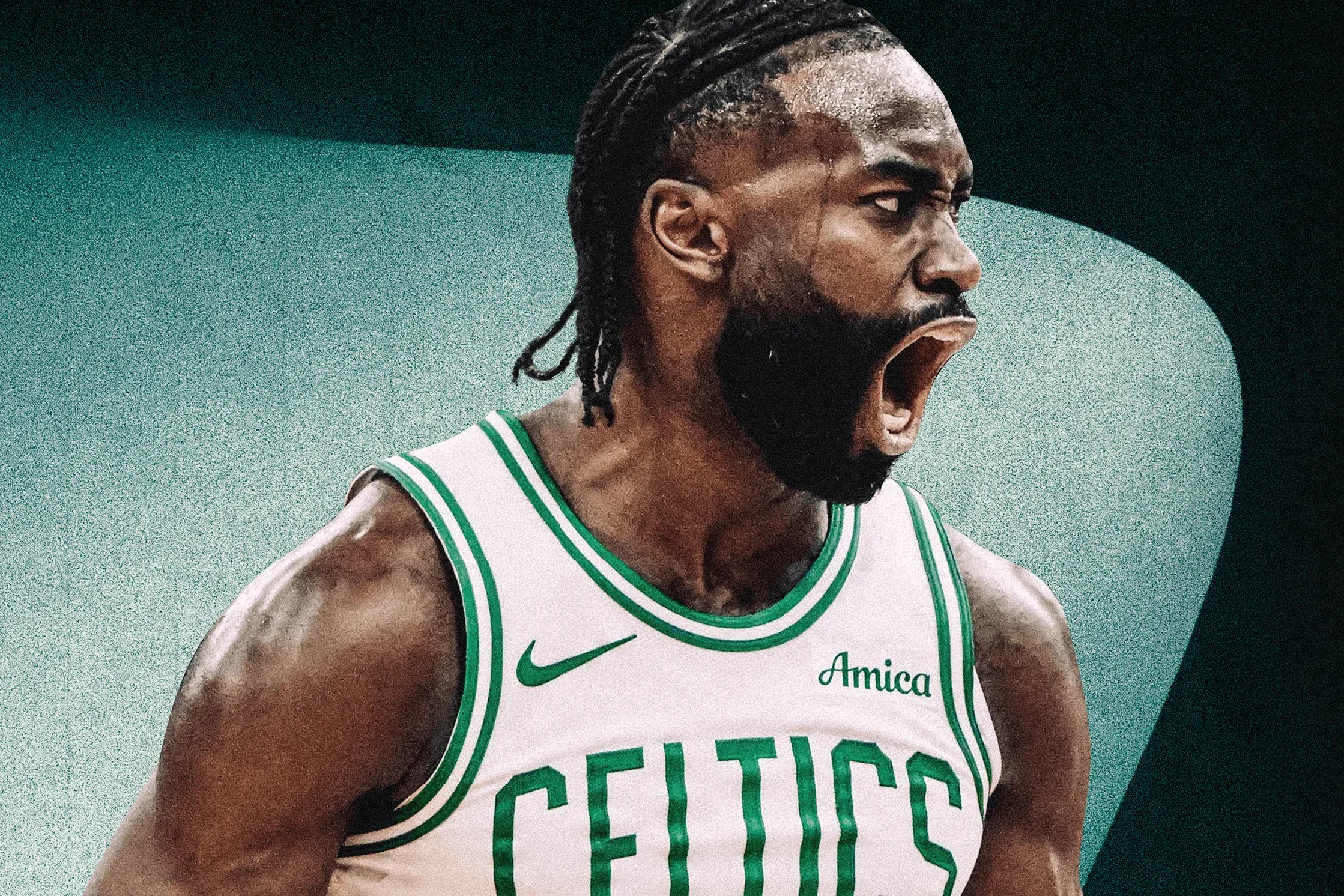
Jaylen Brown’s Subtle but Powerful Criticism of the Israeli Government
Although Brown has been cautious not to explicitly name the Israeli government in his messages, his recent tweet clearly alluded to the severe atrocities unfolding in Gaza. His cryptic appeal called on people to confront the situation, implying collective shame over the ongoing silence and inaction.
“When are we going to do something about what is happening right in front of us we all should be ashamed” —Jaylen Brown
This statement sparked a wide-ranging reaction among NBA fans and the broader public, revealing both support for his stance and frustration with the vagueness of his message.
Mixed Reactions from NBA Fans on Brown’s Palestine Genocide Call
Fans and observers were split in their response to Brown’s indirect approach. While some applauded his willingness to address such a contentious topic, others criticized him for avoiding direct language such as “Free Palestine.” Arguments rose on social media demanding more explicit condemnation from NBA stars about the genocide.
Some Twitter users expressed disappointment, viewing the ambiguous tweet as an evasion of true bravery in calling out Israel more plainly.
At the same time, voices acknowledged the challenges faced by public figures in speaking out, especially given the significant political and financial ties between the NBA and pro-Israel stakeholders.
“it’s hard to do anything when countries, such as the United States of America are funding the genocide. All we can do is fundraise and provide awareness.” — olivia pope. (@aldinaaraul)
“An NBA player from Boston Celtics the most racist fan base in the entire history of any sport is speaking about Palestine and I am supposed to believe Salah can’t say a word.” — George (@not_in_thezone)
Many pointed out the influence of prominent Jewish owners of NBA teams, including families like the Adelsons and figures such as Micky Arison, known supporters of Netanyahu and the Zionist cause. These owners are believed to exert pressure that limits outspoken criticism within the league regarding Israel’s military actions in Gaza.
The Larger Context of NBA Players and Political Activism
Jaylen Brown is recognized for consistently standing by his principles despite potential backlash, which sets him apart in an environment where many athletes choose silence to protect their careers and endorsements. Alongside Kyrie Irving, Brown has been among the few NBA voices speaking about the humanitarian crisis and political issues connected to the Israel-Palestine conflict.
Despite the public divisions, Brown’s comments have renewed discussion about the responsibility of athletes to use their platforms for social and political causes, especially when addressing large-scale injustices such as the Gaza conflict.
The debate continues over the extent to which NBA players should engage with foreign political affairs, particularly those that involve complex international relationships and financial interests tied to the league and its ownership.
Implications and What to Expect Moving Forward
Jaylen Brown’s statements have added fuel to growing calls for greater awareness and action regarding the ongoing violence in Gaza. As images and reports of starvation and child casualties continue to emerge, public pressure on athletes and institutions connected with high-profile Israeli supporters is likely to intensify.
The NBA’s stance and willingness to accommodate vocal criticism of Israel and its government may face further scrutiny, placing players who speak out in a delicate position between advocacy and professional risk. The tensions reflect broader societal debates about free speech, activism, and international human rights.
Ultimately, Brown’s role as a prominent figure confronting these challenging issues could inspire other athletes to raise their voices more openly about the Palestine genocide and encourage fans worldwide to engage with the crisis on a deeper level.
Our Reader’s Queries
Q. Is Jaylen Brown vegan?
A. He talked about several methods like dieting, fasting, and adding water exercises to his schedule. “At 24, I chose to go vegan, and that quickly changed many things,” explained Brown. “That year, I became an All-Star for the first time, so I believe the two were linked.”
Q. Was Jaylen Brown accepted to Harvard?
A. Harvard was one of the last four schools considered by the highly sought-after recruit. Although he picked Duke in the end, Carter’s interest in Harvard suggests positive future developments for its basketball team, thanks to Brown’s assistance.
Q. Is Jaylen Brown a vegan?
A. Brown explained that at 24, he chose to become vegan, which changed many aspects of his life. That same year, he made his first All-Star team, and he believes the two events are connected. He felt like his lifestyle had shifted.
Q. Did Jaylen Brown get accepted to Harvard?
A. Harvard was among the last four options for this sought-after recruit. Although he picked Duke University, Carter’s interest in Harvard hints at positive future changes for the basketball program, thanks to Brown’s encouragement.