
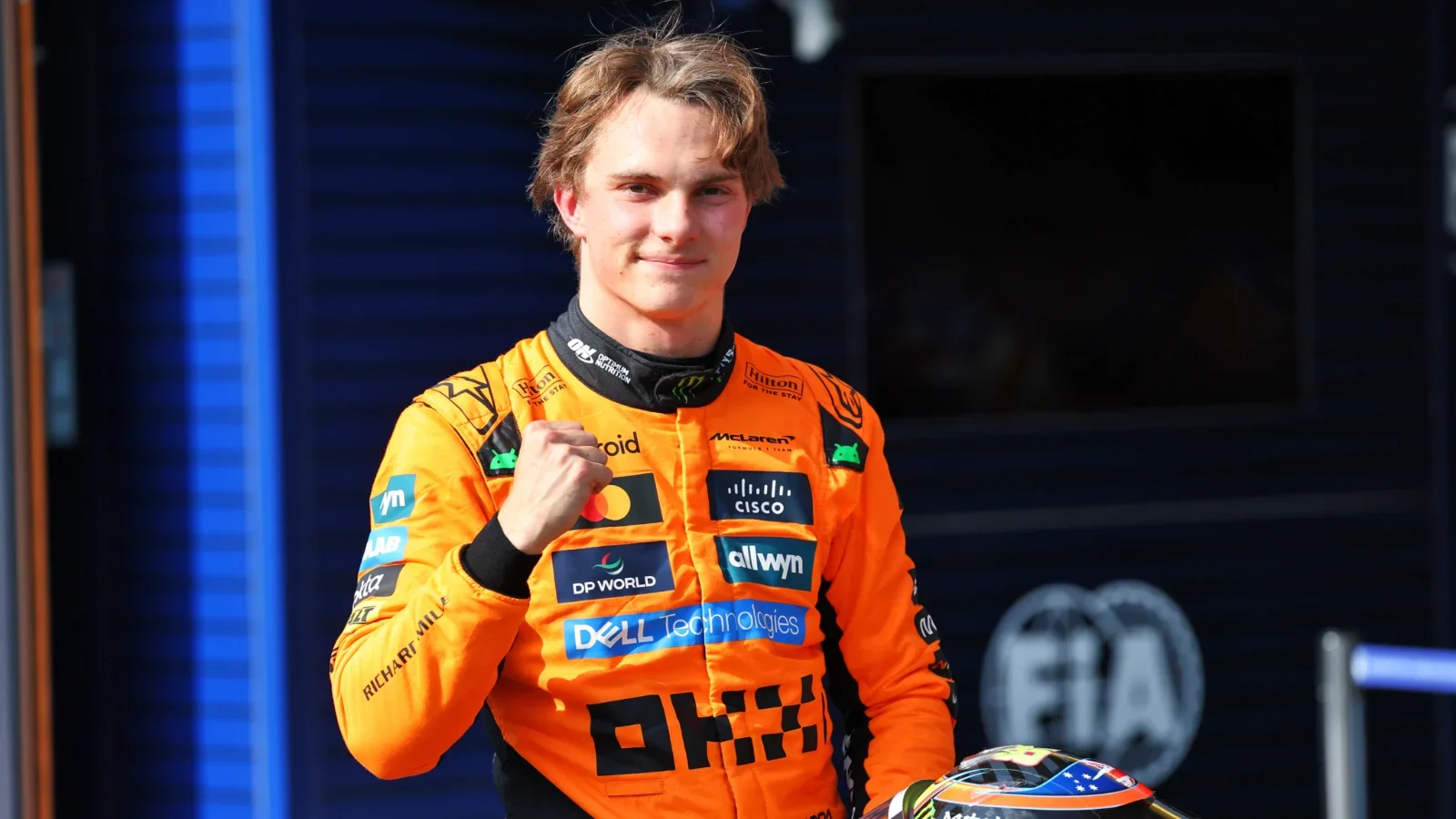

At the Belgian Grand Prix, following a 90-minute delay due to low visibility, Oscar Piastri overtook teammate Lando Norris on the first lap of racing after four laps behind the safety car. The decisive move came at turn five where Piastri passed Norris, who began the race on pole position. This early overtake ultimately secured Piastri’s victory as he maintained control over the remainder of the race.
This win marked Piastri’s sixth triumph of the season and extended his championship lead to 16 points ahead of Norris.
Race Conditions Shift Strategy Amid Weather and Delays
Many teams initially prepared their cars for wet conditions; however, after the long suspension, the track dried up, prompting drivers to switch to intermediate tires as early as lap 12. Lewis Hamilton, starting from the pit lane, made an early pit stop and managed to climb to 13th position before pitting. By lap 16, Hamilton had advanced to seventh but found himself trailing behind Alex Albon’s Williams, defending his position through most of the race.
As the leading McLaren, Piastri was prioritized with an optimal race strategy and pitted for medium tires on lap 13, a move that influenced the timing for other frontrunners. Norris, by contrast, stayed out one additional lap before pitting.
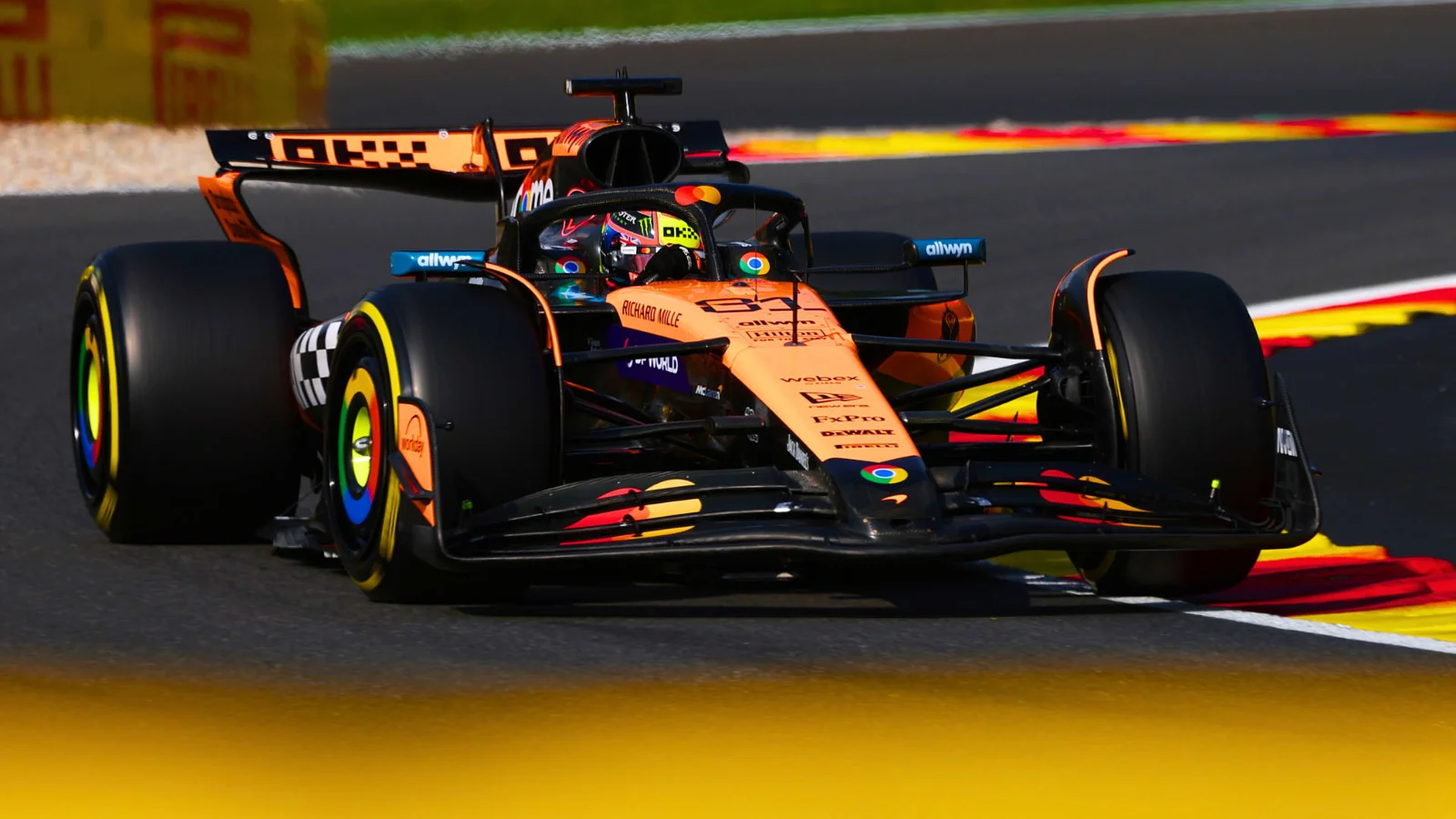
Tactical Decisions Define the Battle Between McLaren Teammates
The McLaren pit crew, led by Will Joseph, advised Norris to switch to hard tires on lap 14, opting for a one-stop strategy aimed at lasting until the end, knowing a direct race with Piastri was unlikely due to track position. Shortly after, the team considered that medium tires might also endure, placing Piastri in a strategic dilemma: pit again and risk battling his teammate and competitors like Charles Leclerc and Max Verstappen, or stay out and defend on degrading tires.
Throughout the middle portion of the race, Piastri and Norris maintained an average gap of about eight seconds, fluctuating primarily because of small errors by Norris. Mistakes such as a corner entry error on lap 26 and a lock-up at turn one on lap 36 cost Norris valuable seconds.
Norris Attempts to Narrow Gap Despite Tire Challenges
The McLaren team urged Norris over the radio to maintain composure and manage his braking, especially as his medium tires began to degrade.
Lando, these tires are getting tricky,
the McLaren pit wall said.
You need to keep the focus. Don’t push the braking as hard as you have been. You are naturally quicker.
—McLaren pit wall
Despite this guidance, Norris reduced Piastri’s lead to less than five seconds with five laps remaining. However, a mistake on the penultimate lap widened the gap back to around five seconds, effectively eliminating his chances of attacking for the win.
Charles Leclerc Holds Off Verstappen for Podium Position
Meanwhile, Charles Leclerc successfully defended third place against Max Verstappen, who remained within three seconds for much of the race. Leclerc emphasized the challenge, noting that the start of the race was especially difficult due to his car’s setup and downforce limitations relative to McLaren and Red Bull.
Max was behind the whole race within three seconds,
Leclerc told F1TV.
So it’s never easy. I knew that the first part of the race was the trickiest one for us because we maybe didn’t have the downforce that the McLarens or that Max had, as they compromised a bit in qualifying to be better in the rain today, but luckily, it dried up pretty quickly, and the pace was good. Still, Max was right behind the whole race. I’m pretty happy that we were able to keep that third place.
—Charles Leclerc, Ferrari driver
Implications for the Championship and Future Races
This dramatic win at the Oscar Piastri Belgian Grand Prix not only extends Piastri’s lead in the standings but also solidifies McLaren’s strength and strategic depth during changing race conditions. While Norris showed strong pace and resilience, small errors and tire management decisions ultimately prevented him from maintaining the top position against his teammate.
Leclerc’s podium finish highlights the competitive battle for positions behind the McLarens and Red Bull, promising intense battles in circuits to come. The evolving tire strategies and adaptability to shifting conditions at Spa-Francorchamps showcased the importance of real-time decision-making and tire management in shaping race outcomes this season.
Our Reader’s Queries
Q. Is Oscar Piastri a nice person?
A. This might be the first time Oscar Piastri appeared upset after a race. He’s usually known for his calm and friendly nature. His reaction could be called “grumpy” in everyday terms, and it’s understandable why he felt that way.