
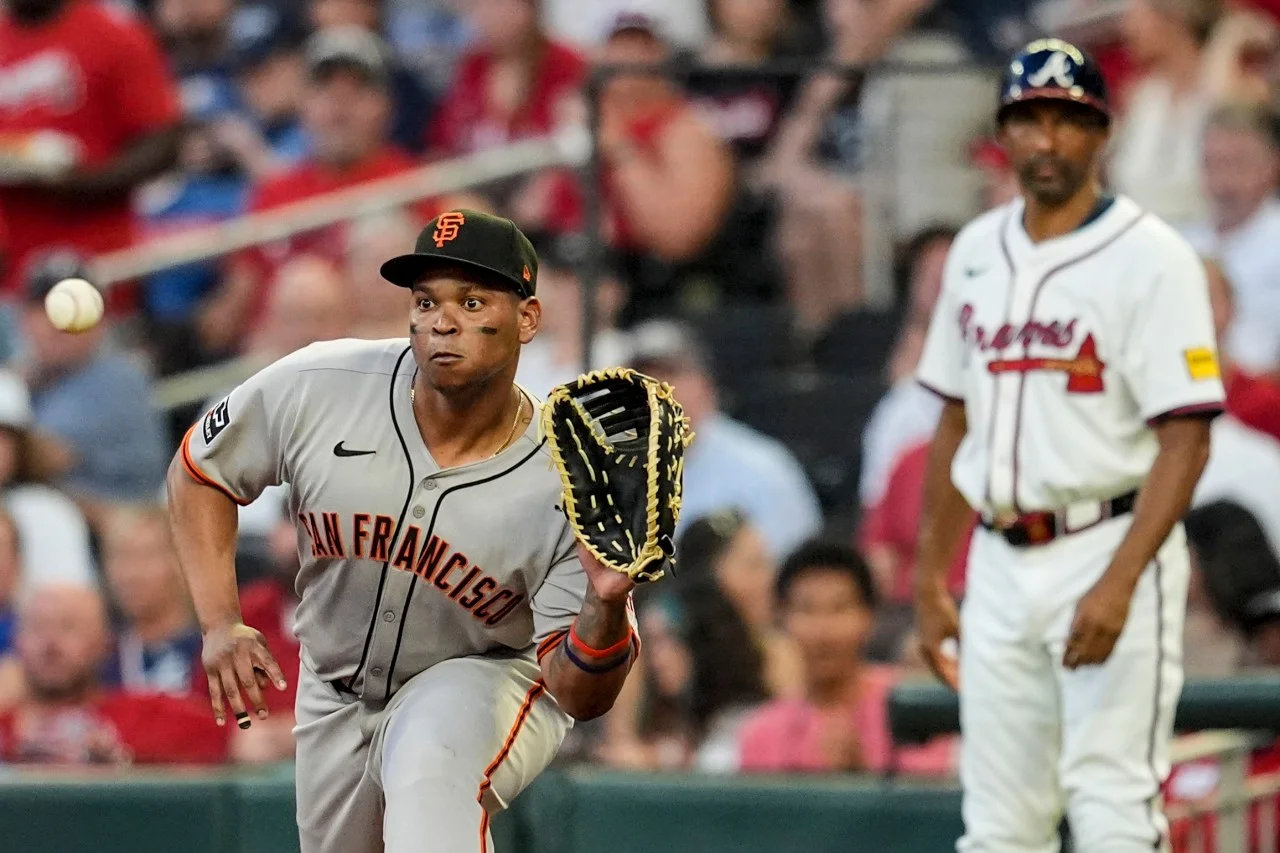

The San Francisco Giants recently acquired star slugger Rafael Devers from the Boston Red Sox, with one significant development being his shift to playing first base. This transition is pivotal for the Giants’ strategy, as Devers’ willingness to play first base contrasts with his previous reluctance, which reportedly caused friction with his former team. His move aims to strengthen the Giants’ infield and overall defensive presence as they pursue greater success.
Early Challenges in Adapting to First Base
Devers has started his first base journey in San Francisco, but the adjustment has been challenging. During a recent game against the New York Mets, spectators noticed Devers appeared uncomfortable on several occasions, struggling to maintain his foot on the base as runners approached. Despite these difficulties, he showed glimpses of potential, notably with an impressive scoop to complete a double play in the fourth inning that helped the Giants escape a bases-loaded situation unscathed.
Team’s Commitment to Devers’ Development at First Base
The Giants organization is fully committed to helping Devers become comfortable in his new role, understanding that the learning curve will take time to overcome. Team leadership sees long-term value in his transition, both on and off the field. Buster Posey, the Giants’ executive, shed light on the broader impact of having Devers stationed on defense, beyond just in-game statistics.
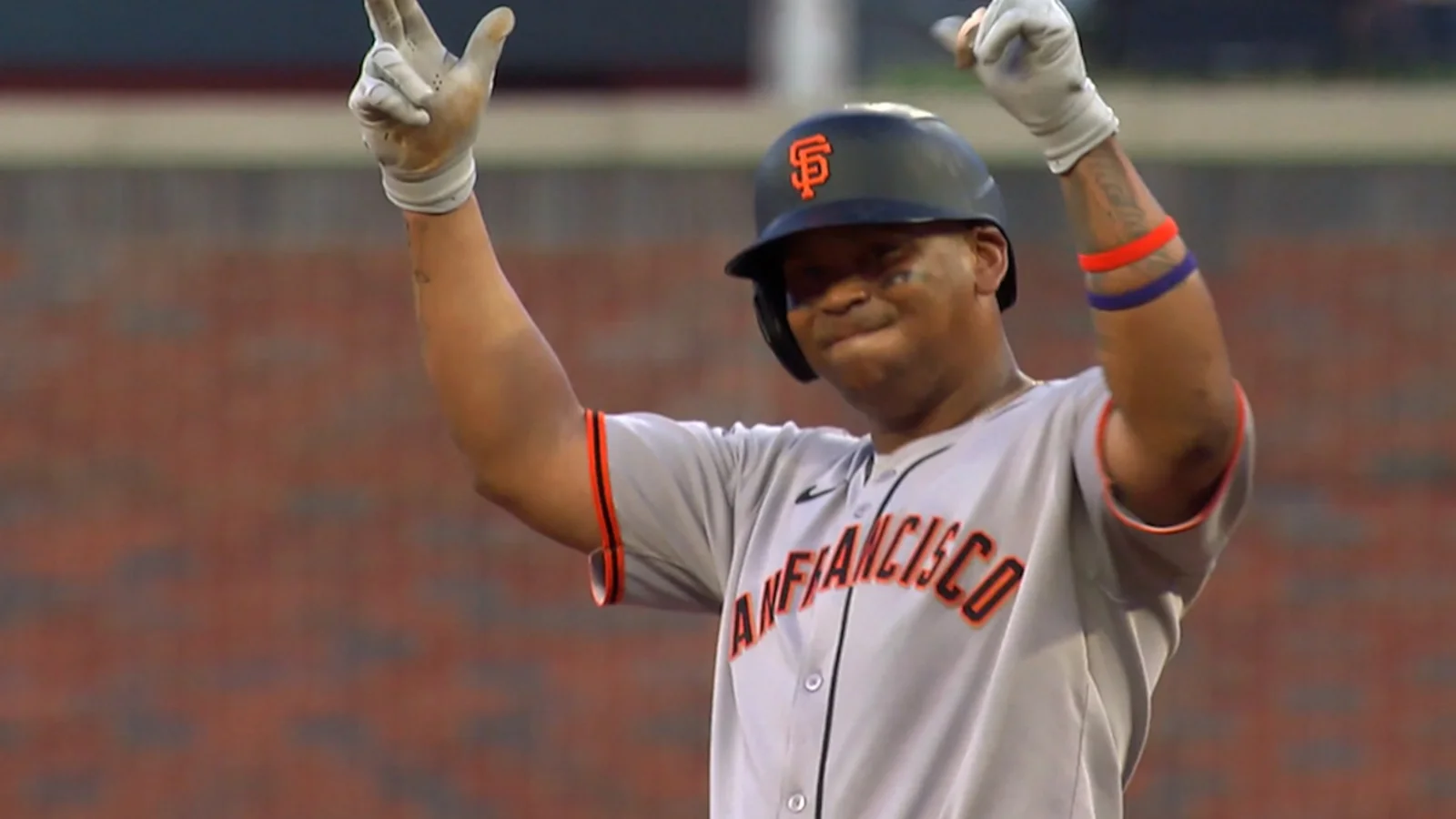
“I think as much as anything, it’s the morale boost when you look out on the field and you see him standing there on defense instead of just in the box four or five times a night … You look out on the field and you see Rafi Devers at first, Matt Chapman at third, Willy Adames at short, you’re feeling pretty good — and at the same time the other dugout’s looking out and seeing that as well. There are a lot of added benefits and I think some are not even quantifiable when he’s out there on defense,”
—Buster Posey, Giants Executive
The Psychological Advantage of a Strong Infield
Devers’ presence alongside Matt Chapman at third base and Willy Adames at shortstop creates a formidable infield trio that can intimidate opposing teams. This concept of psychological advantage is not new in sports; legendary figures like Al Davis of the Raiders valued the intimidation factor of having powerful athletes dominating the field, an inspiration he drew from watching the New York Yankees in the 1950s. The Giants hope that a strong defensive lineup will instill confidence within their team and create pressure on opponents.
Next Steps for Devers and the Giants
While the transition to first base has been difficult, Devers’ adaptation is essential for the Giants’ future. His evolving defensive skills at first base will likely improve with time and experience, contributing to the strength of the infield and the team’s overall performance. The organization’s investment in his growth illustrates their focus on long-term success rather than quick fixes.
As the season progresses, the Giants’ defense anchored by Devers, Chapman, and Adames will be a key factor to watch. If Devers can fully embrace his new role, it could elevate the team‘s competitiveness and sway momentum at critical moments.
Our Reader’s Queries
Q. How many errors did Rafael Devers have?
A. By the end of the 2024 season, Devers had made 141 errors over eight years, the most among current third basemen. Among active third basemen with at least 500 games, he also had the lowest fielding percentage (.944).
Q. How many errors did Rafael Devers make?
A. By the close of the 2024 season, Devers had the most career errors among current third basemen, with 141 errors across eight seasons. Among active third basemen with at least 500 games, he also had the lowest fielding percentage at .944.