
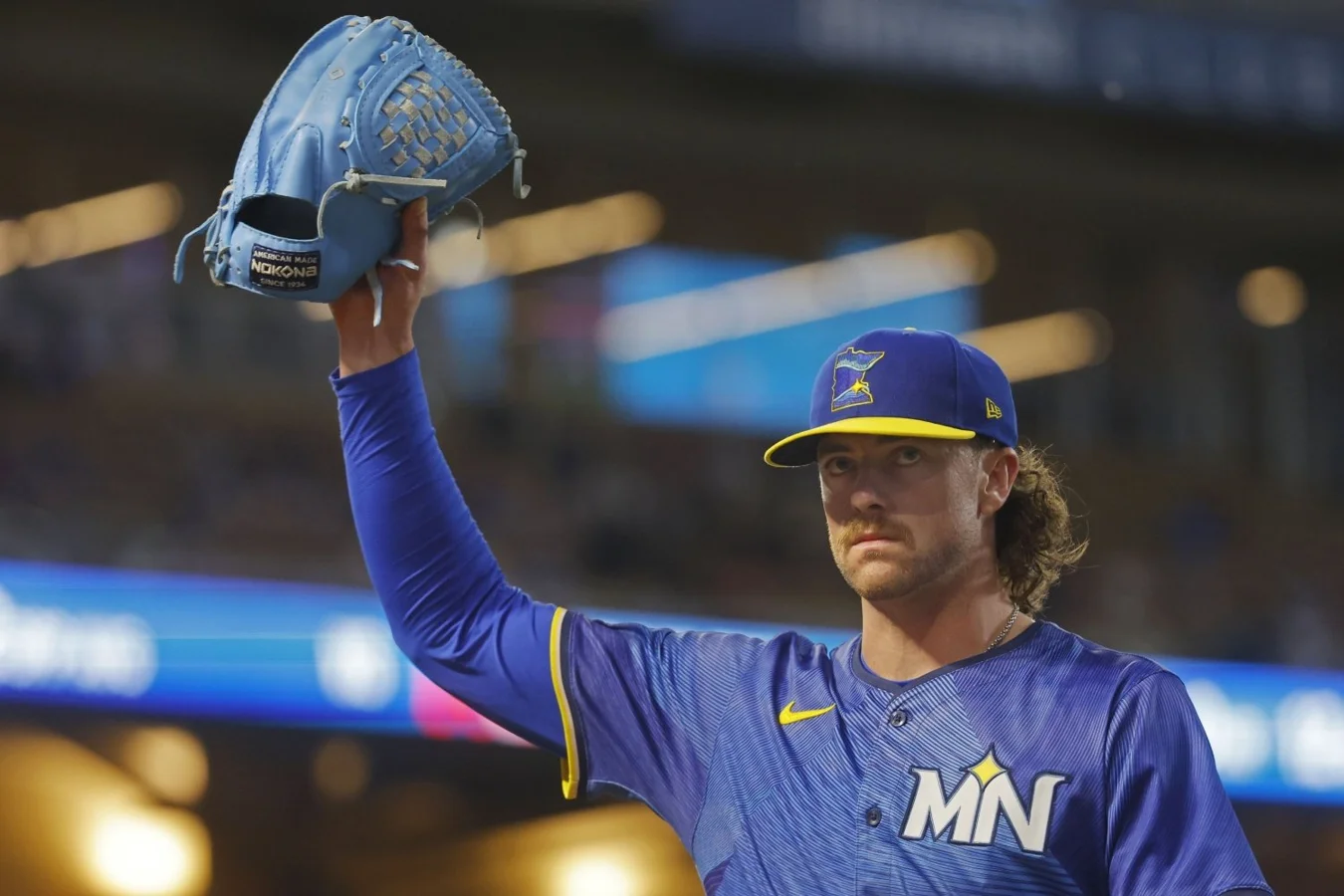

The Detroit Tigers have made an in-division acquisition to improve their pitching rotation by trading for right-hander Chris Paddack from the Minnesota Twins in a three-player deal, according to reports from The Athletic and ESPN. The Tigers receive Paddack and right-handed pitcher Randy Dobnak in exchange for minor-league catcher and first baseman Enrique Jimenez. Neither team has officially confirmed the transaction as of yet.
This Chris Paddack Tigers trade is aimed at addressing Detroit’s need for reliable starting pitchers, particularly following recent injuries and inconsistency within their rotation.
Chris Paddack’s Recent Performance and Health Status
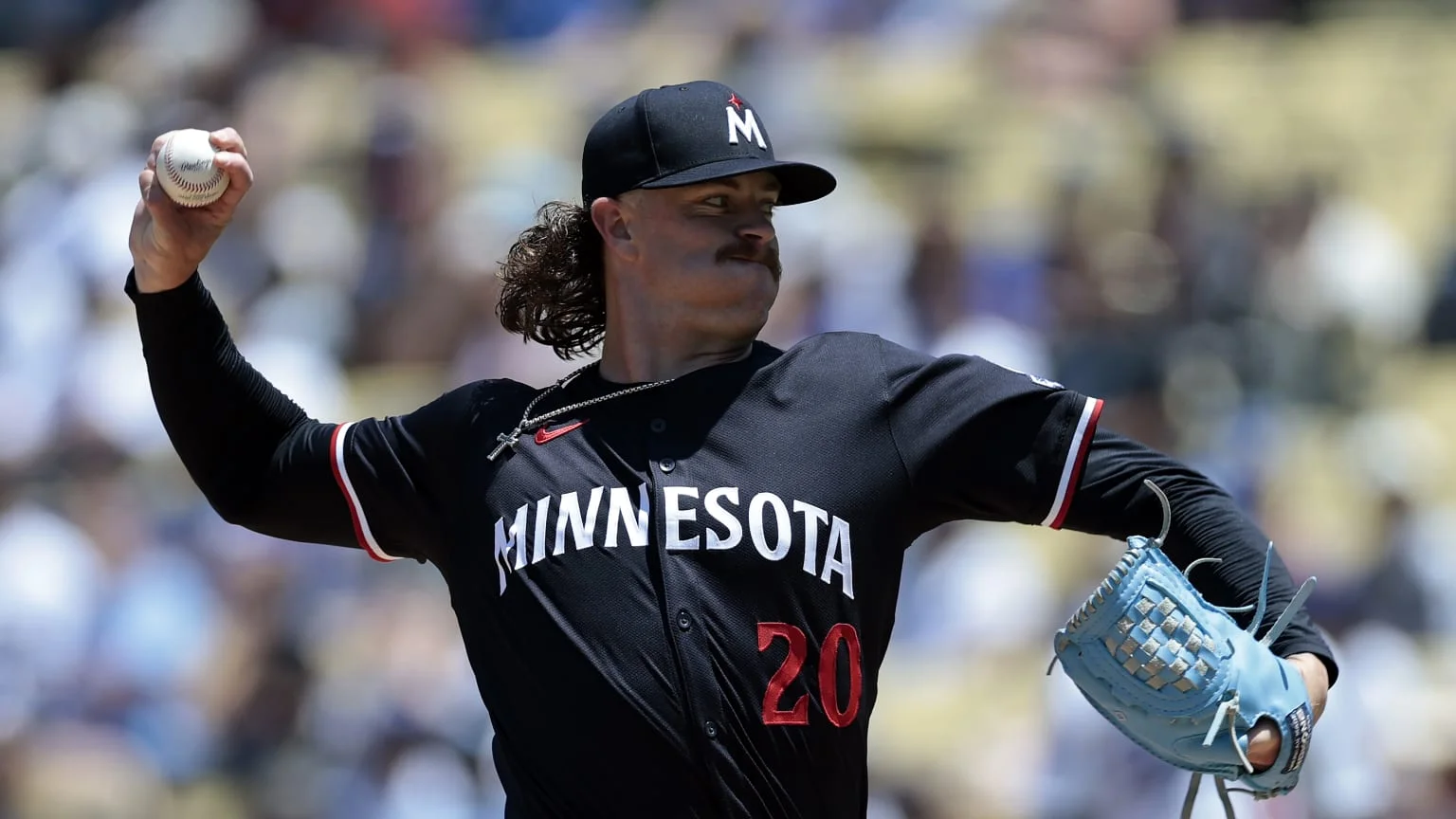
At 29 years old, Paddack is experiencing his healthiest season in several years, having pitched 111 innings so far — his second-highest total in seven major-league seasons, after his rookie campaign with the San Diego Padres in 2019, when he threw 140⅔ innings. His previous seasons had been limited by injuries, reducing his total innings pitched to 115⅔ between 2022 and 2024.
Despite improved health, Paddack’s performance has not reflected a return to peak form; he currently holds a 4.95 ERA overall this season, including 36 earned runs allowed across 53⅔ innings since June. Detroit is hoping to stabilize their rotation depth with this addition despite these recent challenges.
Rotation Challenges and Strategy for Detroit’s Postseason Run
The Tigers have been scrambling to fill the No. 5 starter spot after top pitching prospect Jackson Jobe suffered a significant elbow injury requiring Tommy John surgery in late May. This setback has forced Detroit to navigate a rotating cast of starters while trying to maintain consistency.
Manager A.J. Hinch previously described last year’s late-season pitching adjustments as “pitching chaos,” which the team managed effectively to win 31 of their last 44 games, earning a postseason berth for the first time since 2014. In that playoff run, Casey Mize was a key starter alongside Reid Detmers, while others like Tarik Skubal were the lone consistent starters.
For this postseason campaign, Detroit’s plan centers around Skubal, who is currently considered an AL Cy Young contender, along with Mize and Matt Olson forming the top three starters. The No. 4 starter role is expected to be less traditional, often filled by bullpen games or openers. Adding Paddack and Gregory Soto gives the Tigers options for this flexible No. 4 role, assuming all pitchers remain healthy.
Detroit’s Current Standings amid Recent Struggles
While the Tigers have struggled in recent weeks, losing 12 of their last 14 games and playing roughly .500 ball since mid-May, they retain a significant division lead. The AL Central remains weak overall, and Detroit’s early-season strong performance helped build an eight-game cushion over the Cleveland Guardians despite recent setbacks.
Maintaining this lead and securing a postseason spot remains the focus, with the Chris Paddack Tigers trade viewed as a move to ensure the rotation’s depth during the playoff push.
Minnesota Twins Begin Roster Moves by Trading Paddack and Others
The Minnesota Twins are reportedly preparing for a series of roster changes ahead of Thursday’s trade deadline, starting by moving several rental players. Chris Paddack is among several players likely to be traded as the Twins shift toward a rebuild or retooling phase. Other notable pending free agents include outfielder Harrison Bader and left-handed reliever Danny Coulombe.
The Twins also have several pitchers under team control through 2027, such as Joe Ryan, Jhoan Duran, and Griffin Jax. These players would command more substantial returns if traded. The Paddack deal appears to be an initial move while more complex negotiations may be underway around these other assets.
Details on Players Involved and Prospects Exchanged
Randy Dobnak, the right-hander included with Paddack in the transaction, has struggled with consistency, posting a 6.85 ERA in 65⅔ innings over the last three seasons. He is owed the remainder of his approximately $3 million salary this year, plus a $1 million buyout for a 2026 club option, making him more of a salary relief piece for Minnesota than a key contributor for Detroit.
On the prospect side, Enrique Jimenez is a highly regarded young catcher and first baseman in Detroit’s minor league system, currently ranked 17th by Baseball America. Although only 19 years old, Jimenez is showing promise at the rookie ball level, batting .250 with six home runs and an on-base plus slugging line of .779 over 48 games.
Implications of the Trade for Both Teams
The Tigers are currently 61-46 and seeking to solidify their rotation to maintain or extend their lead in the AL Central. Meanwhile, the Twins hold a 50-55 record and sit 5½ games behind the third wild-card spot, motivating their decision to start selling off certain assets.
This trade reflects Detroit’s commitment to bolstering their pitching depth as they aim for postseason success, while Minnesota prepares to recalibrate their roster for longer-term competitiveness.
Our Reader’s Queries
Q. How fast does Chris Paddack throw?
A. During the postseason, the fastball’s average speed was 96.6 mph.