


The Detroit Tigers completed a trade on Monday, acquiring pitchers Chris Paddack and Randy Dobnak from the Minnesota Twins to address their pitching depth before Thursday’s trade deadline. While not the dramatic deal fans might have anticipated, this move highlights the Tigers’ focus on shoring up innings and providing more stability on the mound.
With their rotation depleted and bullpen heavily taxed, Detroit’s management has made it clear that increasing available innings is a priority as they contend with ongoing pitching challenges.
Chris Paddack Offers Potential Despite Recent Struggles
Chris Paddack, 29, has shown flashes of talent but has struggled to maintain consistency on the mound. This season, he has made 17 starts for the Twins, compiling a 5.53 ERA while striking out 83 batters over 86.1 innings. Although his ERA is elevated, underlying metrics tell a more hopeful story; a 4.18 FIP and solid strikeout-to-walk ratio suggest he still holds promise as a starting pitcher.
Since Paddack is set to become a free agent after this season, the Tigers are acquiring him without committing long term, hoping to capitalize on his upside while managing risk.
Randy Dobnak Adds Versatile Pitching Options
Randy Dobnak, also 29, has mostly pitched at the Triple-A level this year but brings a valuable skill set that fits Detroit’s immediate needs. Known for his low walk rate and tendency to induce ground balls, Dobnak offers experience as both a starter and a long relief option. This versatility is important for the Tigers, who have struggled to find reliable innings out of the bullpen during their recent decline.
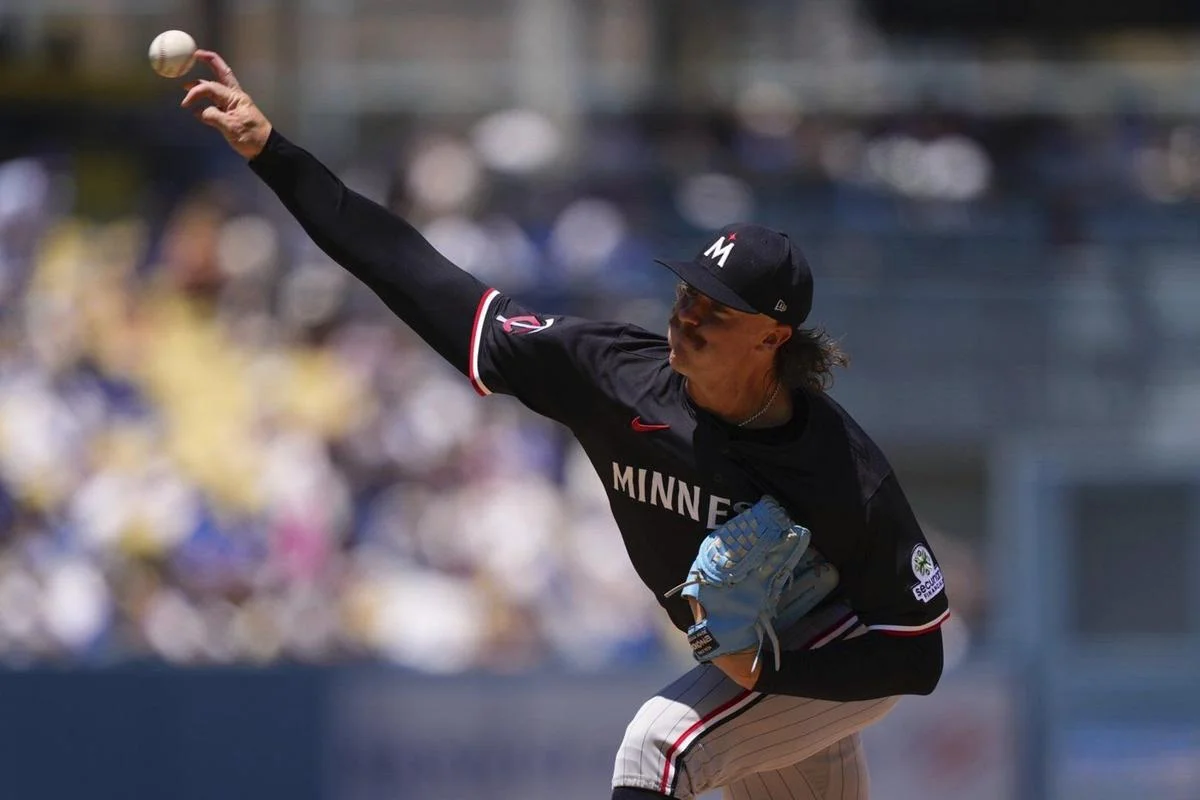
While Dobnak may not be a future cornerstone, his ability to fill innings efficiently adds depth to a pitching staff currently thin on dependable arms.
Challenges Facing the Tigers’ Pitching Corps
Detroit’s pitching staff has shown significant vulnerabilities as the season progresses. Entering the last week of July, the team ranked 21st in <a href=”https://www.buzzineintl.com/category/baseball/mlb/”>MLB for team ERA at 4.41, with the bullpen posting an even worse 4.63 ERA, among the league’s bottom five. Outside of Tarik Skubal, the rotation has dealt with health issues and inconsistent performances.
The bullpen’s early-season strength has faded, forcing the Tigers to look outward for reinforcements since internal options are limited. This trade reflects a strategy centered on bridging the gap to maintain competitiveness rather than aiming for immediate postseason improvement.
What This Means for Detroit Moving Forward
By acquiring Chris Paddack and Randy Dobnak, the Tigers are placing a calculated bet on improving pitching depth during a challenging stretch. The move is focused on managing innings and stabilizing a struggling staff as the team continues its rebuilding process. With Paddack’s potential upside and Dobnak’s flexibility, Detroit hopes to better navigate the remainder of the season and keep their rotation and bullpen from overextending.
Remaining cautious with long-term commitments while addressing short-term needs, the Tigers’ front office is positioning the team to be more competitive without taking excessive risks.
Our Reader’s Queries
Q. How fast does Chris Paddack throw?
A. During the postseason, the fastball speed was usually 96.6 mph.