
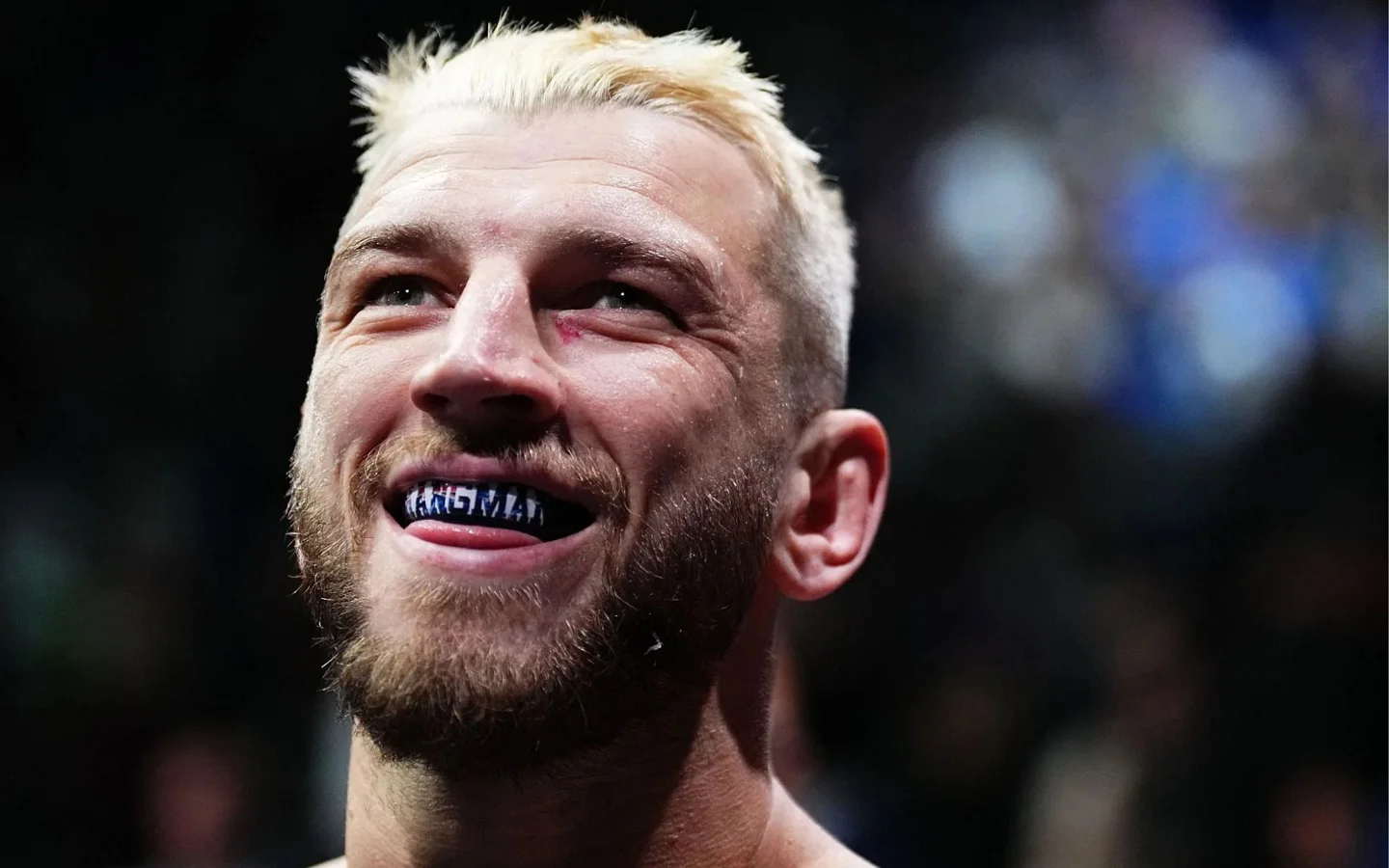

Dan Hooker, a seasoned UFC fighter from New Zealand, has expressed his anger toward the UFC after being denied tickets to UFC 317 in Las Vegas, where his teammate Kai Kara-France was competing. This incident occurred in June, just months after Hooker underwent hand surgery in March, and affected his willingness to immediately commit to fighting on the upcoming Perth card scheduled for September 28. The fighter highlighted his discontent over being excluded from attending, despite his longstanding dedication to the promotion, marking a shift in his approach to working with the UFC.
Details on the Ticket Cancellation and Hooker’s Reaction
Hooker explained that the UFC tried to schedule him for activities early in the morning Eastern Time, which translated to the middle of the night in New Zealand. He refused to get up at 3 a.m. local time for something he felt was unnecessary and was disheartened when his tickets to see Kai Kara-France’s fight against flyweight champion Alexandre Pantoja were revoked. Hooker shared his feelings on Submission Radio, emphasizing the disrespect he felt from the UFC’s handling of the situation after traveling a long distance:
“They tried to get me out of bed at 7:30 in the morning [eastern time]—the UFC booked me for some shit—which is three in the morning New Zealand time,” —Dan Hooker
“You work in the office, brother, I work in the—you think there would be a bit more respect there for guys who literally give their life. The amount of blood, sweat, and tears I’ve poured into putting shows on for that company, I thought there would have been a bit more respect there. But there’s not, which is cool, business is business. We can fight on my terms then. … I’m not going to break my back for a company that doesn’t respect me.” —Dan Hooker
Although Hooker did not disclose why his tickets were canceled, the experience caused him to rethink making a quick return to fight, even on home soil. Instead, Hooker is looking ahead to a pay-per-view event expected in New York later this year, which may offer a better opportunity on his terms.
Hooker’s Plans for Future Opponents and Financial Expectations
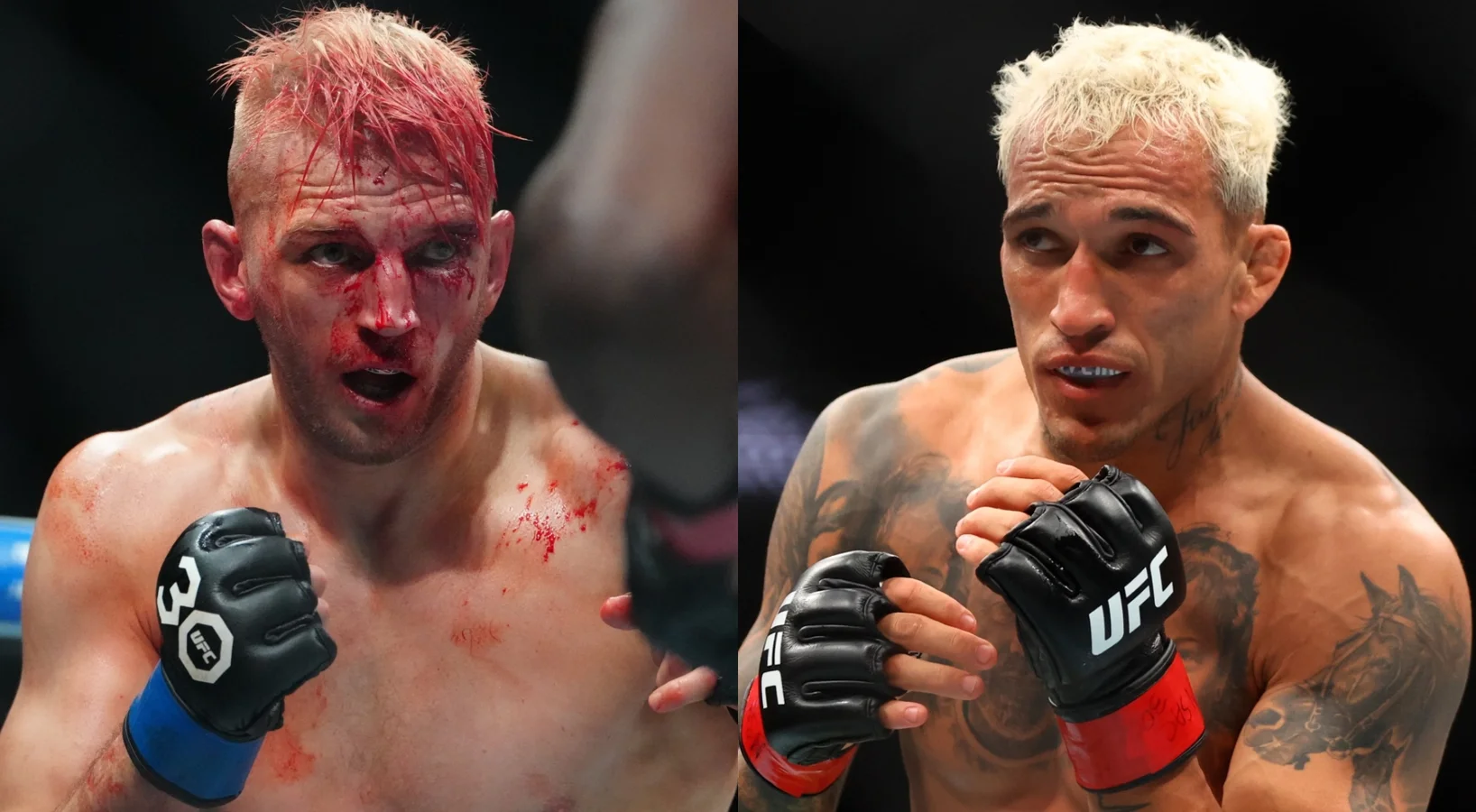
Looking forward, Hooker is interested in a potential matchup against Arman Tsarukyan, a leading contender in the lightweight division, with the winner likely to challenge current champion Ilia Topuria. Despite the high stakes, Hooker has clear conditions regarding fight compensation. He expressed skepticism about the pay scale for additional rounds, pointing out inconsistencies in earnings versus effort:
“Twenty grand for an extra ten minutes is the going rate,” —Dan Hooker
“When I used to work at the bloody kitchen factory, do you think I did an eight-hour day and got paid a couple of hundred bucks and then I’m going to do twice as much work and get a fraction more money. It just doesn’t make sense to me. ‘Oh, but, you know, for the experience.’ Shove it up your f*cking ass, bro, I’m not going to work. I’m not going to work for twice as long. If you want me to go to work for twice as long, pay me twice as much, that’s how that works.” —Dan Hooker
He made it clear that while he is passionate about fighting, financial fairness is non-negotiable, showing a pragmatic approach to his career and future bouts.
Hooker Acknowledges UFC’s Strategy but Remains Critical
Despite his grievances, Hooker acknowledged the UFC’s savvy business tactics, specifically their management of the lightweight title picture. He explained how the UFC strategically avoids clearly designating a single number one contender to maintain negotiation advantages. By having multiple viable challengers like Justin Gaethje, Arman Tsarukyan, and Paddy Pimblett, the promotion keeps fighters competing for title shots and preserves bargaining power:
“The UFC is smart as f*ck,” —Dan Hooker
“They never paint themselves into a situation where there’s a clear No. 1 contender that has to fight for the belt next, because if they’re ever in that situation, then negotiations obviously become very difficult for them. If the fans are 100 percent locked and expecting there’s only one guy that makes sense for the title, you think when they sit down and negotiate, the UFC’s in a strong position?” —Dan Hooker
“Now they’ve got [Justin] Gaethje that they can have, they’ve got Arman that still they’ve said doesn’t but he does still make sense for the title. Paddy Pimblett could step up because he’s got f*cking beef coming out of his ears. So they always have in a title fight situation three guys that could justify title shots because then if they have one guy, they go to the first guy, he starts playing hard ball, then they can go to the second guy, they can go to the third guy, then they can go back to the first guy. At the end of the day it’s business and the fight that makes the most dollars makes the most sense for the UFC.” —Dan Hooker
This insight highlights Hooker’s understanding of the business dynamics within the promotion, even as he personally feels undervalued by the organization.
The Wider Implications of Hooker’s Dispute with UFC
Dan Hooker’s public confrontation with the UFC over canceled tickets and perceived disrespect signals a potential turning point in his relationship with the promotion he has served since 2014. His insistence on fighting only under terms he finds fair and his readiness to prioritize his own interests suggest the possibility of less frequent appearances unless conditions improve. This episode sheds light on ongoing tensions between fighters and the UFC’s management policies, especially around fighter treatment and financial compensation.
As the promotion continues to prepare for key upcoming events, including the Perth card and a November pay-per-view in New York, Hooker’s choices could influence how other fighters view negotiations and respect within the company. His situation underscores the balance fighters must strike between loyalty and self-advocacy in the high-stakes world of mixed martial arts.