
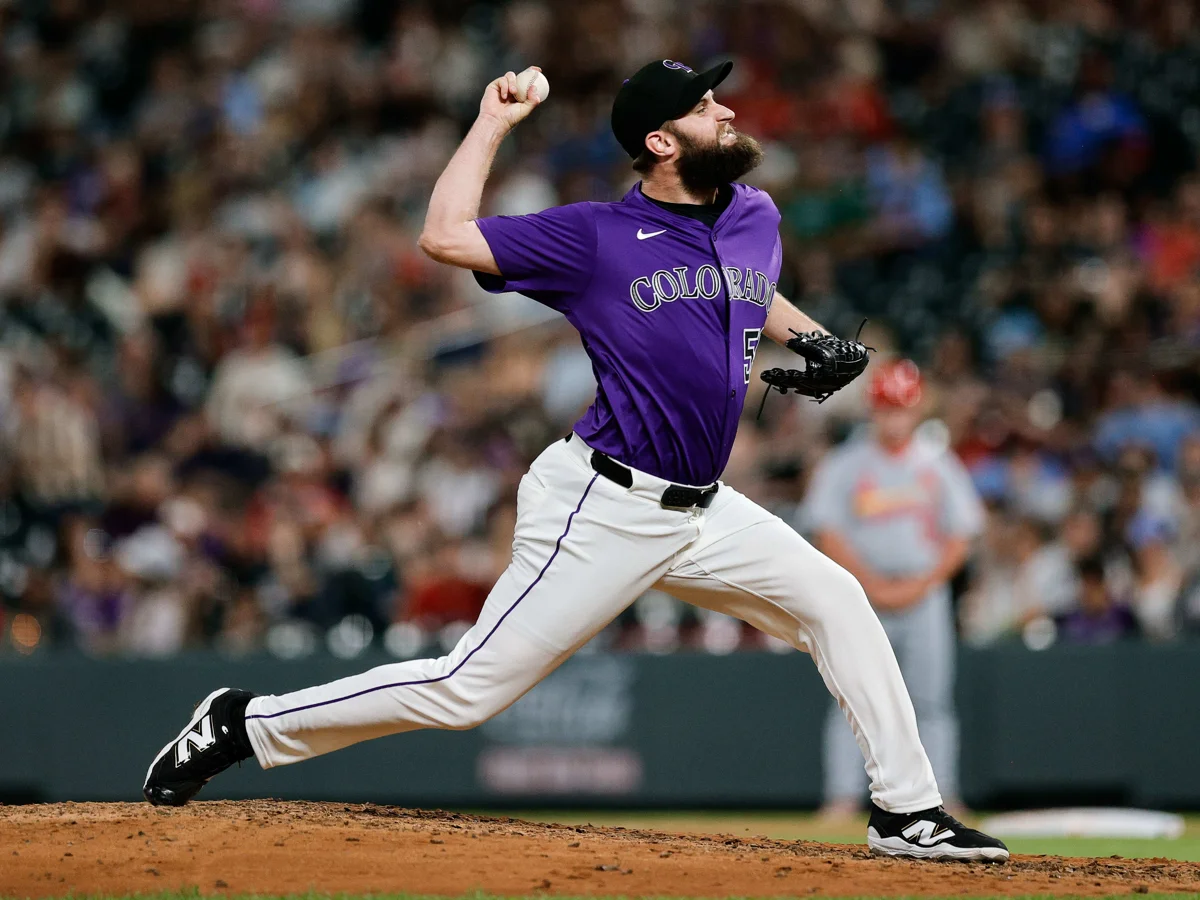

The New York Yankees face persistent challenges within their bullpen as the July 31 MLB trade deadline approaches, with an American League-worst relief ERA of 4.38 signaling a critical need for reinforcements. Among the relievers targeted by Yankees General Manager Brian Cashman, Jake Bird of the Colorado Rockies stands out, though his recent performance raises questions about whether he truly offers an upgrade for New York’s struggling relief staff.
Jake Bird’s Pitching Performance Shows Inconsistent Trends
At 29 years old, Jake Bird was initially seen as a promising addition to the Yankees bullpen due to his impressive 2.06 ERA reported on June 21. However, his effectiveness dissipated rapidly, with his ERA nearly doubling to 4.05 by early July. Bird’s career ERA splits reveal a pattern of strong starts that fade as seasons progress, suggesting he struggles to maintain consistency over time. This volatility complicates the Yankees’ pursuit of a reliable bullpen arm.
One persistent weakness in Bird’s pitching is his tendency to allow too many hits. Since entering MLB in 2022, he has conceded more hits than innings pitched each season and appears on track to continue this trend in 2025. This vulnerability is especially problematic for a reliever who frequently inherits runners on base, where preventing hits is crucial to limiting scoring chances.
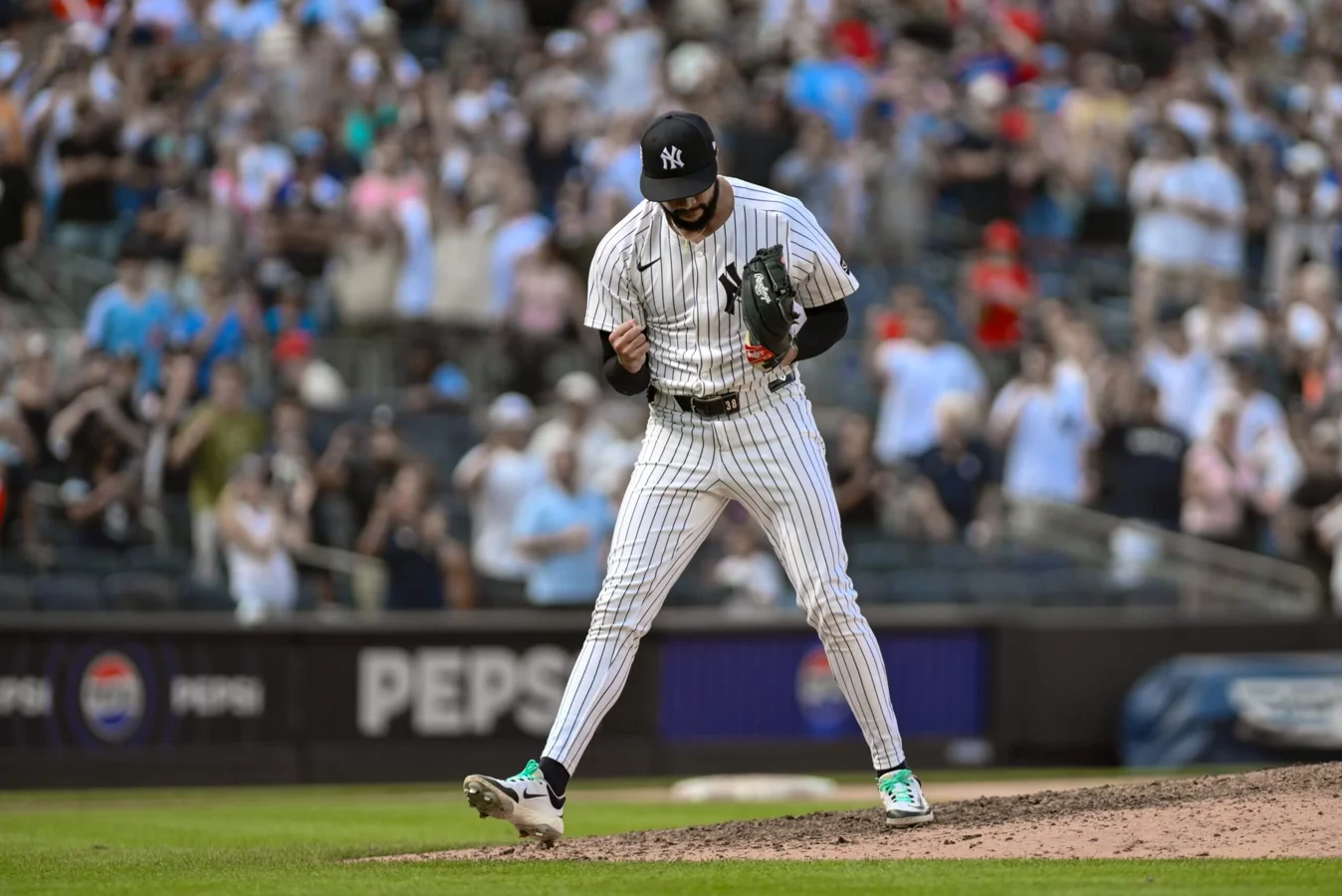
Home and Road Performances Reflect Bird’s Struggles
Contrary to expectations given Denver’s hitter-friendly Coors Field, Bird’s numbers do not significantly improve on the road. His career ERA at home stands at 4.60, compared to a slightly better 4.20 on the road. Even recent road outings have been problematic; notably, a July 8 release in Boston saw Bird allow five runs, including four earned, on just three hits and a walk in only one-third of an inning, a performance that highlights his inconsistency.
Potential Reasons Behind the Yankees’ Interest in Bird
The Yankees may believe they can unlock Bird’s full potential, citing examples of bullpen arms like Fernando Cruz and Tim Hill who saw sharp ERA improvements after joining New York. Alternatively, it’s plausible that the Yankees value Bird primarily for contractual control, securing a pitcher under club control for three more seasons regardless of whether he significantly elevates the bullpen’s quality. This approach favors long-term team finances but offers limited immediate on-field benefits.
Assessing the Impact of Adding Jake Bird to New York’s Bullpen
While acquiring Jake Bird might appear to address a pressing need in New York’s relief pitching corps, his inconsistent track record and propensity to allow too many hits could undermine the bullpen’s overall effectiveness. Unless Bird can replicate the dramatic improvements seen in other relievers after joining the Yankees, this trade may not contribute meaningfully to the team’s quest for another World Series title in the Bronx.
“Maybe the Yankees see Bird as a guy they can help reach his full potential, like Fernando Cruz or Tim Hill, both of whom produced drastic ERA drops immediately upon donning pinstripes. What’s more likely, though, is that they view Bird as a decent player who they’ll have control over for the next three seasons.” —Aaron Case, Yankees Fan
Our Reader’s Queries
Q. How fast does Jake Bird throw?
A. Between 2021 and 2025, Jake Bird has thrown 4,834 pitches recorded by the PITCHf/x system. These include pitches from the MLB Regular Season, Spring Training, and Fall/Winter Ball. In 2025, he mostly uses a Sinker at 94 mph, a Slider at 84 mph, and a Curveball at 81 mph.