
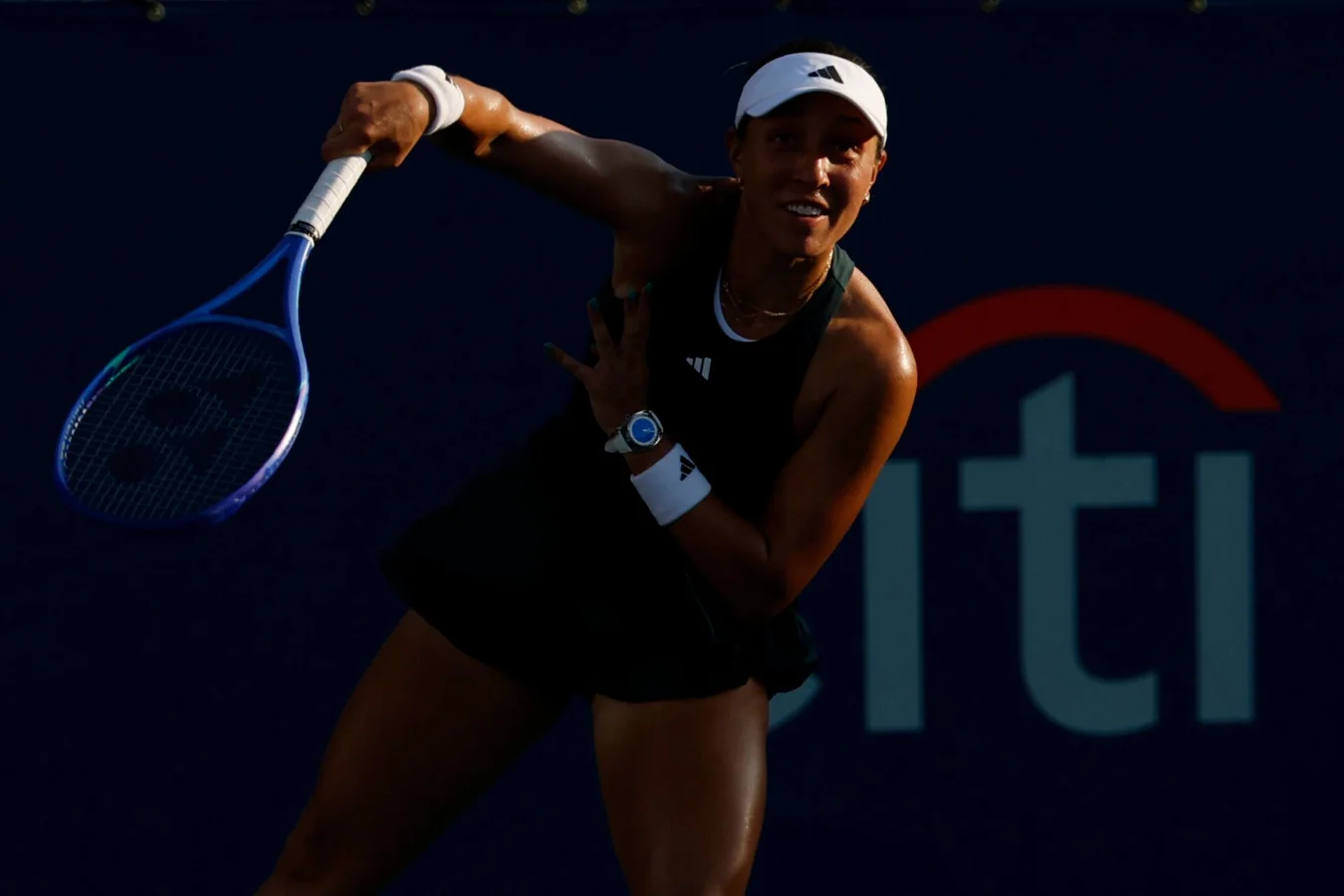

As the National Bank Open expands its main draw from 56 to 96 players for the 2025 tournament, tennis stars including Jessica Pegula have expressed apprehensions about its effect on players’ readiness for the US Open. Pegula, who enters the event as the No. 3 seed in Montreal, is particularly concerned about the timing and length of the tournament disrupting preparations for the season’s final Grand Slam.
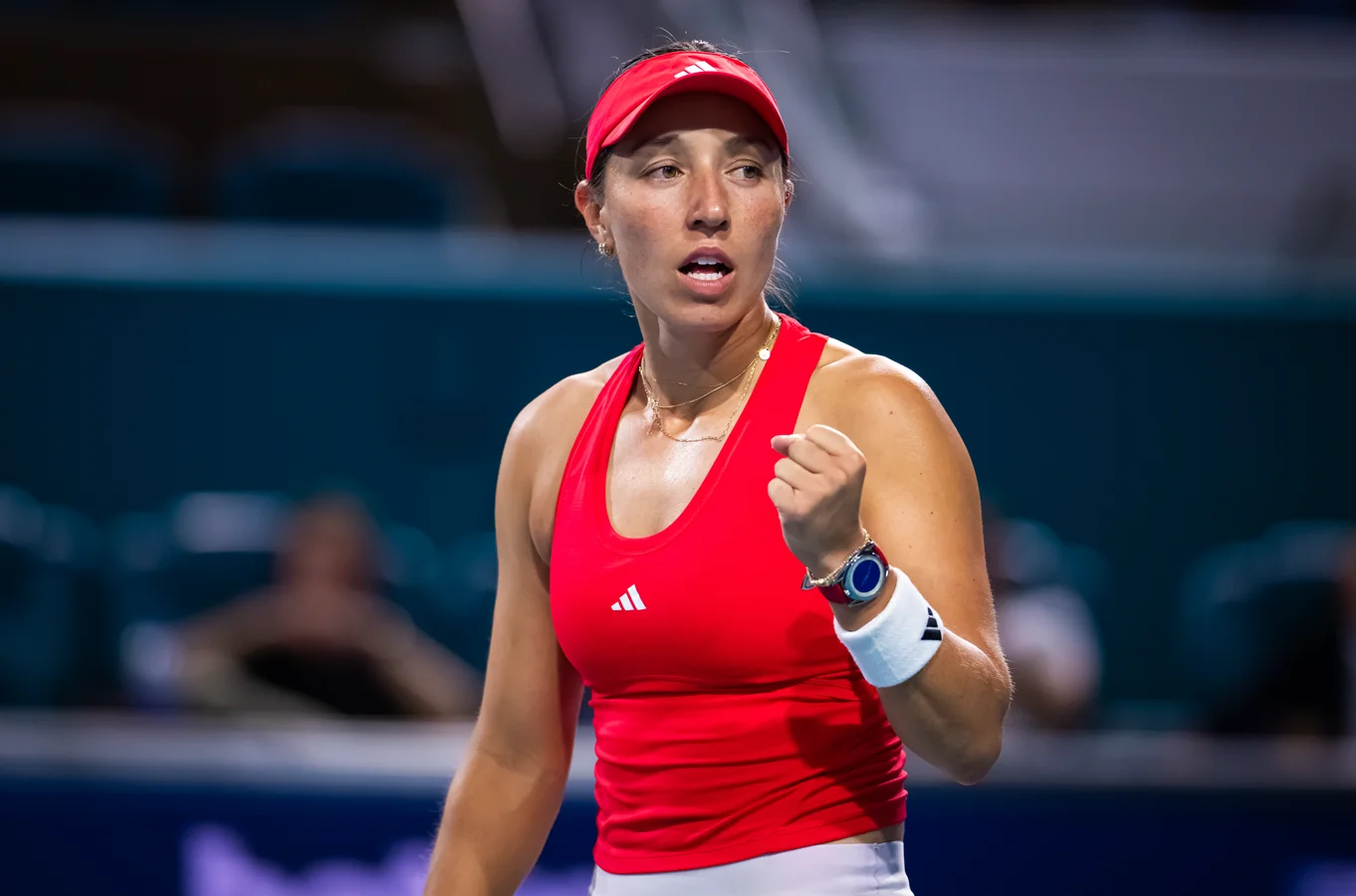
Following a tough loss to Leylah Fernández in the Washington Open round of 16, Pegula arrived in Canada focused not only on competition but also on how the extended schedule could challenge players’ mental and physical stamina. She favors a more compressed tournament structure that allows athletes to conserve energy and focus strategically before major events.
I kind of like the smaller (laughing). I kind of like when it’s quicker. I feel like you can just go and get it over with. I feel like sometimes when they’re really long, it can seem really long, especially leading up to a slam, but I’m interested,
she said during a pre-event press conference. —Jessica Pegula, Tennis Player
Expanded Tournament Draw and Schedule Details Revealed
The 2025 National Bank Open will run a main draw featuring 96 players, a significant increase that has shifted how the event is scheduled. This expansion reflects a broader adjustment across the ATP Tour, which has introduced a new 12-day format for several Masters 1000 events. The intention is to accommodate more athletes while reshaping tournament flow, but it has sparked debate over the impact on players’ conditioning and mental fatigue.
National Bank Open Main Draw in Toronto! They revealed all the names at once. 96-players. Main draw action begins on Sunday night. 7 Canadians in the main draw. #NBO25 #CdnTennis pic.twitter.com/gEC8tFd7fp
—Jacob Pacheco, Tennis Insider
The expanded schedule will see early main draw matches start Sunday night, extending tournament play across nearly two weeks. Pegula’s first match is slated for July 29 against a yet-unknown qualifier, as players navigate the longer format in preparation for upcoming events.
Mental and Physical Challenges Highlighted by Pegula
Pegula’s concern goes beyond just timing. She outlined the mental strain caused by lengthened tournament durations, drawing comparisons to the rigorous Grand Slam schedule. The two-week timeframe for these scaled-up events, she implied, tests players’ endurance in a way that may not optimally prepare them for the demands of the US Open.
I’m not a fan of, yeah, when they’re, like, two weeks long. It can get really tough. I feel like slams are two weeks, and so now turning everything almost into a slam is really mentally draining. I’m hoping that these two events feel like a good kind of middle ground, I guess I could say,
Pegula added. —Jessica Pegula, Tennis Player
Frances Tiafoe Also Voices Discontent Over Scheduling
Jessica Pegula is not alone in her critique. ATP player Frances Tiafoe expressed particular dissatisfaction with the tournament’s scheduling decisions, emphasizing the challenge of a final match set on a Thursday. While he appreciated the shorter length compared to tournaments like Madrid and Rome, the timing still raised concerns about preparation disruption.
It is what it is. I like that it’s a bit shorter than Madrid, Rome. Weird because the final is on a Thursday. That’s garbage. But, I mean, I think it’s going to be great. It’s going to be a lot of fun. I love the city of Toronto. My girlfriend’s from there. Then I’ve got a lot of friends in the league from there, so I’m going to be set up, have a good time,
he said. —Frances Tiafoe, Tennis Player
The ATP Tour’s transition to 12-day events featuring 96 players marks a fundamental shift from the prior single-week, 56-player format. While intended to provide more opportunities, the changes are causing players to reconsider how best to manage energy and mental focus with a Grand Slam looming shortly after.
Implications for Player Performance and Upcoming Grand Slams
The Canadian Open’s expanded draw and lengthier scheduling are prompting serious discussion within the tennis community about their long-term effects. Players like Jessica Pegula and Frances Tiafoe worry that these adjustments might increase fatigue and reduce peak performance at the US Open, a tournament demanding top physical and mental condition.
Managing these challenges will be pivotal as players balance competing in a larger, more demanding event with the necessity to remain fresh and competitive for the final Grand Slam of the season. How players and organizers adapt to this evolving format could shape tournament strategies and player participation in the years ahead, especially as the ATP and WTA Tours continue to experiment with calendar structures.