
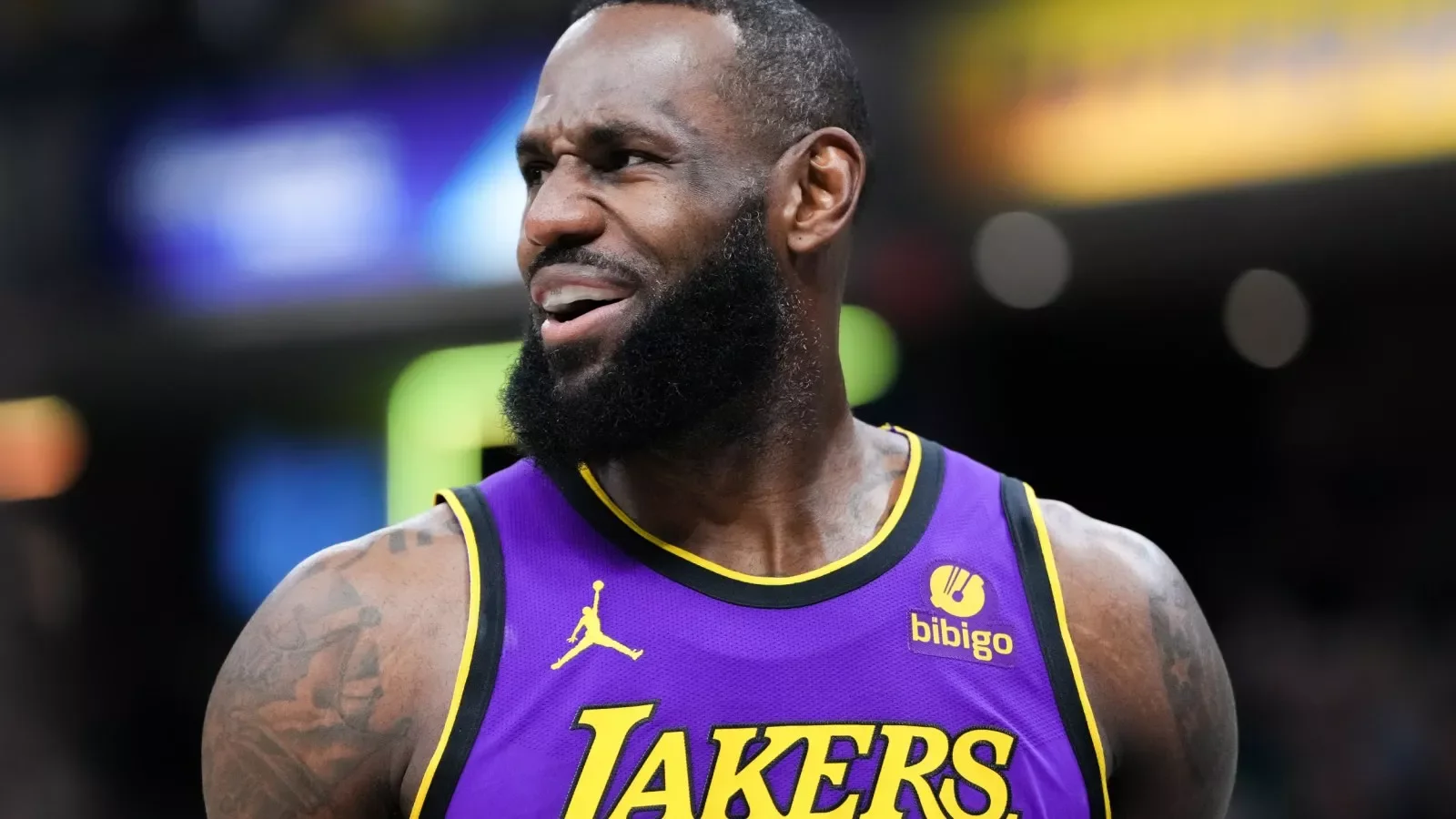

LeBron James is virtually certain to play the upcoming season with the Los Angeles Lakers, having exercised his $52.6 million player option in June, backed by his no-trade clause. Despite this commitment, the structure of his contract makes a trade to a genuine championship contender unlikely, setting the stage for a highly anticipated 2026 free agency. As the <a href=”https://www.buzzineintl.com/category/basketball/nba/”>NBA world ponders LeBron James 2026 free agency options, several scenarios and teams surface as contenders to acquire or retain the superstar.
While both the Lakers and James appear bound together for at least the near term, the lack of contract extension eligibility confirms that he will enter free agency after the 2025-26 season. From now until then, speculation revolves around how LeBron will approach this transition—whether he aims to retire a Laker, pursue another team, or adjust his salary demands to align with his goals in his early forties. Several teams stand out as potential destinations, each offering different financial, competitive, and emotional factors influencing their viability.
Salary Constraints Make Cavaliers, Knicks, and Nuggets Limited in Financial Offers
The Cleveland Cavaliers remain the top preference for LeBron James if he were to choose a new team in 2026, as they represent his hometown and a strong championship contender with a recent 64-win season. James has publicly expressed interest in retiring as a Cavalier, keeping his career limited to three franchises, which holds legacy importance for him. However, Cleveland’s current salary commitments make it financially impossible for them to offer a competitive contract, as they stand more than $30 million above the league’s projected first salary cap apron for 2026-27. With key contracts like Jarrett Allen’s extension pushing them even higher, the Cavaliers realistically could only offer LeBron the league minimum, a sum unlikely to attract him given his career earnings and status.
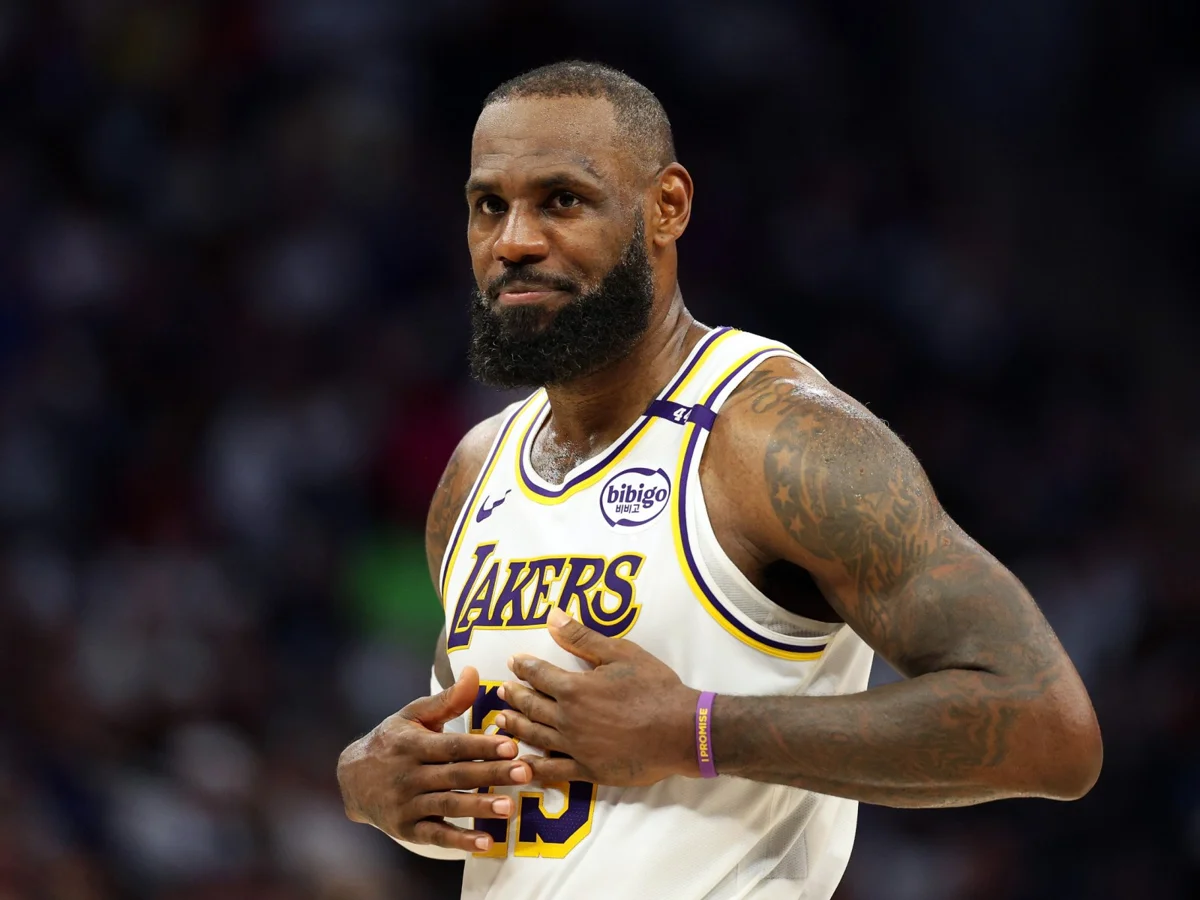
The New York Knicks share a similar financial bind. Although currently projected to have roughly $46 million in salary cap space, commitments anticipated for players like Mikal Bridges and Mitchell Robinson will deplete this room next summer, leaving only a minimum salary offer feasible for James. Comparatively, Cleveland presents a stronger emotional appeal should James choose to accept a minimum contract, making New York an uphill challenge in this category.
The Denver Nuggets also cursorily join this group, despite a recent yacht outing involving LeBron and his representation that sparked rumors about interest in Denver. Their financial flexibility is limited, with approximately $23 million in cap space contested by upcoming rookie extensions. Like the Cavaliers and Knicks, any offer from Denver will likely be near or at the minimum salary range. This limits Denver’s chances of enticing James unless non-financial motives play a role.
Mavericks and Warriors Can Offer Moderate Salary Exceptions, Creating More Viable Options
The Dallas Mavericks lead speculation among teams capable of offering mid-level salary exceptions to LeBron James in 2026, provided they do not extend contracts, such as that of P.J. Washington. Without Washington’s contract accounted for, Dallas could generate about $20 million in cap space, enough to sign James on the taxpayer mid-level exception, which is modest but above the minimum. More advanced salary dumping could enable them to offer a higher mid-level exception, potentially around $15 million, although this comes at the cost of losing roster depth—a difficult trade-off considering James’s age.
Such a move would reduce the need for a complicated sign-and-trade, although mechanisms exist to clear space for that option if Dallas decides to stomach losing key players and future first-round picks, which are mostly unavailable due to prior trades. The Mavericks’ priority appears to be preserving assets, especially with young talent like Cooper Flagg, reducing how aggressive they might be in acquiring an aging star via significant roster sacrifice.
The Golden State Warriors face a more complex salary matrix in 2026-27, with the majority of their payroll tied up in Stephen Curry, Draymond Green, and Jimmy Butler, all veterans commanding large salaries. Adding LeBron to this tilt toward an older core is financially problematic, particularly if Al Horford remains on the roster. However, the Warriors’ supporting cast salaries remain relatively low, and with options like Buddy Hield’s non-guaranteed contract, they could carve out the full mid-level exception if they move some pieces.
Golden State unsuccessfully attempted to trade for James at the 2024 deadline, and his refusal then leaves the door open that a more serious pursuit could occur in 2026 free agency. Yet the team‘s uncertain roster structure and ageing core present deterrents for long-term high salary commitments.
Spurs Present a Logistically Straightforward Path for Sign-and-Trade
The San Antonio Spurs stand out as one of the few teams with clear max cap space in 2026 before anticipated extensions alter their payroll. Even with likely extensions for De’Aaron Fox or Jeremy Sochan coming, the Spurs should remain comfortably below the salary cap apron, allowing them to absorb James’s contract through trade and matching salary requirements.
San Antonio can pair willing trade players like Keldon Johnson and Luke Kornet, whose contracts have minimal guaranteed long-term commitments, while deploying ample draft capital as trade material. Beyond financial logistics, James’s relationship with Gregg Popovich, who remains influential in Spurs basketball operations, and the prospect of playing alongside highly touted young star Victor Wembanyama lend the Spurs an intriguing long-term competitive and legacy appeal. James could symbolically pass the torch as teammates.
However, existing competitive rivalry and strained relations between the Lakers and Spurs franchises complicate cooperation. Historically, the Spurs preferred preserving their assets over acquiring aging stars like Kevin Durant, signaling a cautious approach toward James as well. While a sign-and-trade deal is plausible here, San Antonio likely would require a modest price and might not deliver substantial returns for the Lakers.
Cap Space Flexibility Opens Doors for Clippers, Heat, and Nets
The Los Angeles Clippers have bolstered their roster smartly with few long-term salary obligations for 2026-27, holding only four guaranteed contracts including Kawhi Leonard and Ivica Zubac. James Harden’s deal contains non-guaranteed components, giving the Clippers flexibility to clear substantial cap room should they align with the pursuit of LeBron.
If Harden opts out or waives his player option, the Clippers could afford meaningful contracts to both Harden and James without giving up significant long-term assets or compromising cap flexibility. This scenario is attractive for all parties involved: James would stay in Los Angeles but join a franchise that directly challenges the Lakers, while the Clippers maintain the ability to contend without stifling future moves.
Miami Heat face greater challenges but still remain a viable option. With around $20 million in cap space after potential first-round draft pick trades, and depending on Andrew Wiggins’s decision regarding his $30.2 million player option, Miami could offer James a roughly $25 million salary. Should James require more, the Heat would need to consider trading Wiggins or hope for his opt-out, which would further increase their flexibility.
The basketball fit in Miami is compelling, as James has thrived with playstyles defined by defensive versatility and strong shooting, embodied in teammates like Bam Adebayo and Tyler Herro. The Heat’s exceptional coaching and cheap depth provide an encouraging environment, particularly given the tumult in the Eastern Conference, which could ease James’s road to the Finals. Pat Riley remains open to reuniting with James, although it remains unclear if James shares such intentions.
The Brooklyn Nets deserve a nod given their financial space and draft assets next year, although they currently lack the roster caliber to seriously contend. With an entire rebuild ahead, their status hinges largely on upcoming roster moves and whether they can assemble a complementary core around James.
Overall, cap space remains the clearest and simplest avenue to facilitate star signings, making the Clippers and Heat notable contenders able to offer LeBron salaries commensurate with his value without requiring the Lakers’ involvement.
Current Lakers Situation: Strained Relations but Possible Continuation
Relations between LeBron James and the Lakers appear tense, but not conclusively fractured. While the partnership might operate on renewable annual terms, an amicable continuation into 2026 remains plausible if circumstances favor it.
The Lakers retain full Bird Rights on James for 2026 free agency, allowing them to exceed the salary cap and offer his maximum salary. Initially, the Lakers were rumored to target 2026 as a pivotal offseason for team reconstruction, potentially using 2026 free agency to significantly reshape their roster. Young guard Austin Reaves will still carry a low cap hold prior to re-signing on a more expensive deal, complicating matters. Plans to acquire Jaren Jackson Jr. fell through when he re-signed with Memphis, leaving the Lakers without an obvious long-term co-star for Luka Dončić in free agency.
This uncertainty makes 2026 free agency less appealing for the Lakers as they seek immediate contention. Instead, the team might focus on winning through the 2025-26 season while preserving cap space for the next major free agency in 2027, when stars like Giannis Antetokounmpo and Nikola Jokić could become available. The Lakers have introduced player options and team options for key contributors to maintain roster flexibility and keep their salary cap clean.
Should the Lakers fail to acquire a major star by 2026, retaining James on a high-priced, one-year deal may be their best short-term bet, especially as many of their younger free agents will be seeking multi-year commitments. If players like Deandre Ayton and Rui Hachimura flourish, they will command higher salaries next offseason, making James’s presence valuable to maintain competitiveness during a transitional period.
A scenario in which the Lakers successfully add a star in 2026 could entice LeBron to remain on a significant pay cut in his age-42 season, easing into a less demanding role alongside Dončić and a new core star. James has demonstrated willingness in the past to take steep pay cuts to pursue championships, as seen with his 2024 offseason concession to help the Lakers chase Klay Thompson.
In summary, the Lakers’ trajectory and James’s future remain fluid. Positive team performance could mend friction and motivate both sides for a championship pursuit, while continued uncertainty might nudge James elsewhere. Regardless, LeBron James’s impending 2026 free agency assures a suspenseful and complex offseason ahead—whether it culminates in his departure or continued tenure with Los Angeles.
Our Reader’s Queries
Q. Does LeBron James sleep 12 hours?
A. Professional athletes often sleep more than the usual 8 hours because they use up a lot of energy. LeBron James typically sleeps around 12 hours per night. This is remarkable given that top athletes like him frequently travel for games, making it challenging to rest well.