
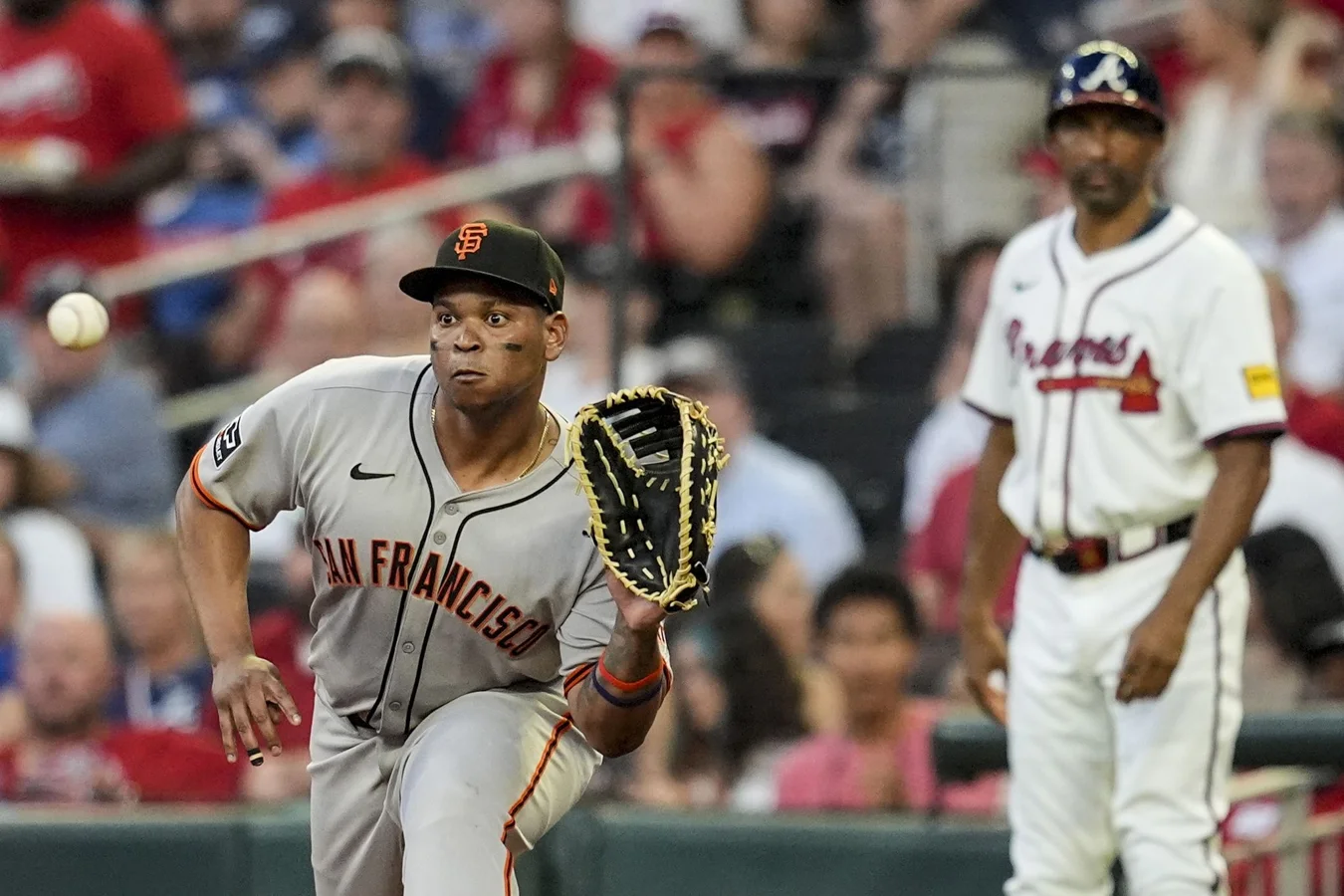

Rafael Devers, formerly the Boston Red Sox third baseman, is facing significant challenges after transitioning to first base with the San Francisco Giants this summer. His recent performance, particularly in a game against the New York Mets, highlighted ongoing difficulties at the new position, drawing sharp criticism from fans, especially those of his former team.
Challenges Faced by Devers at First Base in Recent Games
Devers, appearing for just the third time as a first baseman, encountered several pivotal mistakes that impacted the Giants’ gameplay. In the sixth inning against the Mets, he failed to secure a ground ball hit by Brett Baty, which prevented a potential double play and resulted in only one out at first base. Shortly after, two runs scored following Mark Vientos’ clutch double.
Earlier in the game’s fourth inning, Devers shifted off the first base bag to pursue a ground ball, missing the opportunity to cover the base and allowing an infield single. Though a minor error occurred again in the seventh inning, it did not significantly affect the outcome.
Fan Reactions Highlight Devers’ Difficult Transition
The backlash from fans, particularly former Red Sox supporters, has been vocal and scathing. Many pointed to Devers’ previous reluctance to play first base while with Boston as a key reason for his trade. Social media posts and comments emphasized his defensive lapses and questioned his baseball intelligence and attitude.
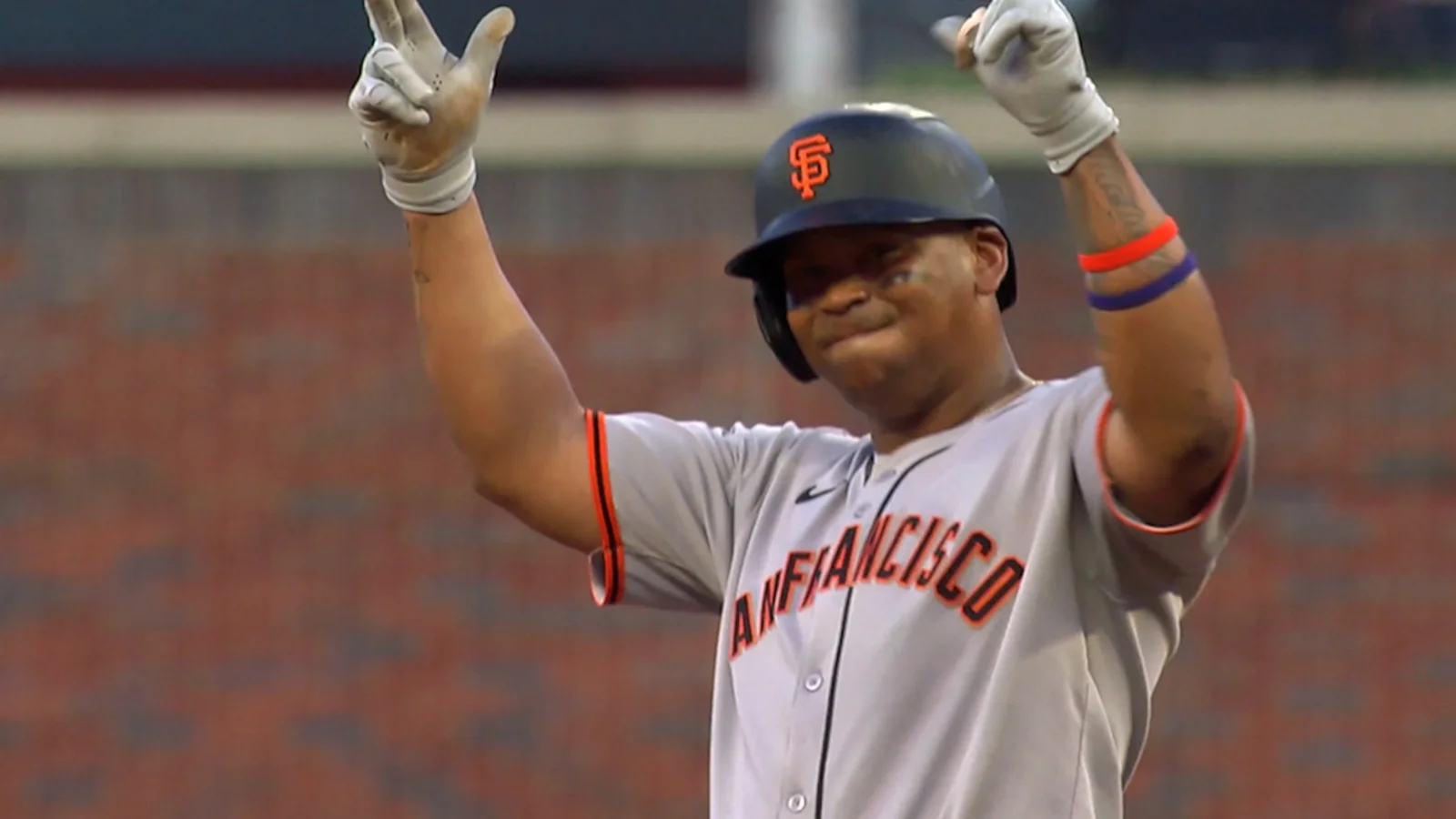
“If he could have taken his head out of his a** and played first in Boston, he’d still be there. Diva,” —Red Sox fan
“Wrong foot on first base in last play. His iq is genuinely 75,” —Red Sox fan
“Playing that hot corner… I hope he’s doing OK as the Red Sox fan I like him. No hard feelings here,” —Red Sox fan
“He’s such a defensive liability,” —Red Sox fan
“Nobody is even going to think about mentioning the struggles in SF but if he had a game that awkward in Boston it would be leading off every hour of 98.5 and EEI,” —Red Sox fan
“You didn’t show the play where he charged towards home to field the ball instead of letting the pitcher do that.. Allowing the runner to be safe at first,” —Red Sox fan
Background on Devers’ Position Shift and Its Implications
Devers’ move to first base is notable because this position is not his natural spot; he has established himself primarily as a third baseman. The Giants have Matt Chapman firmly in that role. To ease Devers into this new position, the Giants initially placed him as a designated hitter while he adjusted.
Devers accepted this change partly because he believed his consistent performances warranted respect and flexibility from his new team. However, his struggles defensively at first base have fueled continued debate over whether the trade and shift in position were the right moves for his career and the Giants’ roster strategy.
Potential Consequences and What Lies Ahead for Devers
Devers’ defensive errors have already proved costly, directly influencing runs against the Giants and raising questions about his fit at first base. The criticism from fans underscores the pressure he faces to improve and adapt quickly. With the Giants relying on him both offensively and defensively, how Devers manages this transition will likely play a significant role in their season’s success.
Moving forward, consistency at first base will be crucial for Devers to silence doubters and justify the Giants’ investment. Continued difficulties could lead to further lineup adjustments or changes in his role. For now, the spotlight remains on Devers as he works to overcome early setbacks in his new position.
Our Reader’s Queries
Q. How many errors did Rafael Devers have?
A. By the end of the 2024 season, Devers had the most errors among active third basemen, with 141 errors in eight seasons.
He also had the lowest fielding percentage (.944) of active third basemen who played at least 500 games.
Q. How many errors did Rafael Devers make?
A. By the end of the 2024 season, Devers had made the most errors (141) among all current third basemen over eight seasons. He also had the lowest fielding percentage (.944) compared to other active third basemen with at least 500 games.