
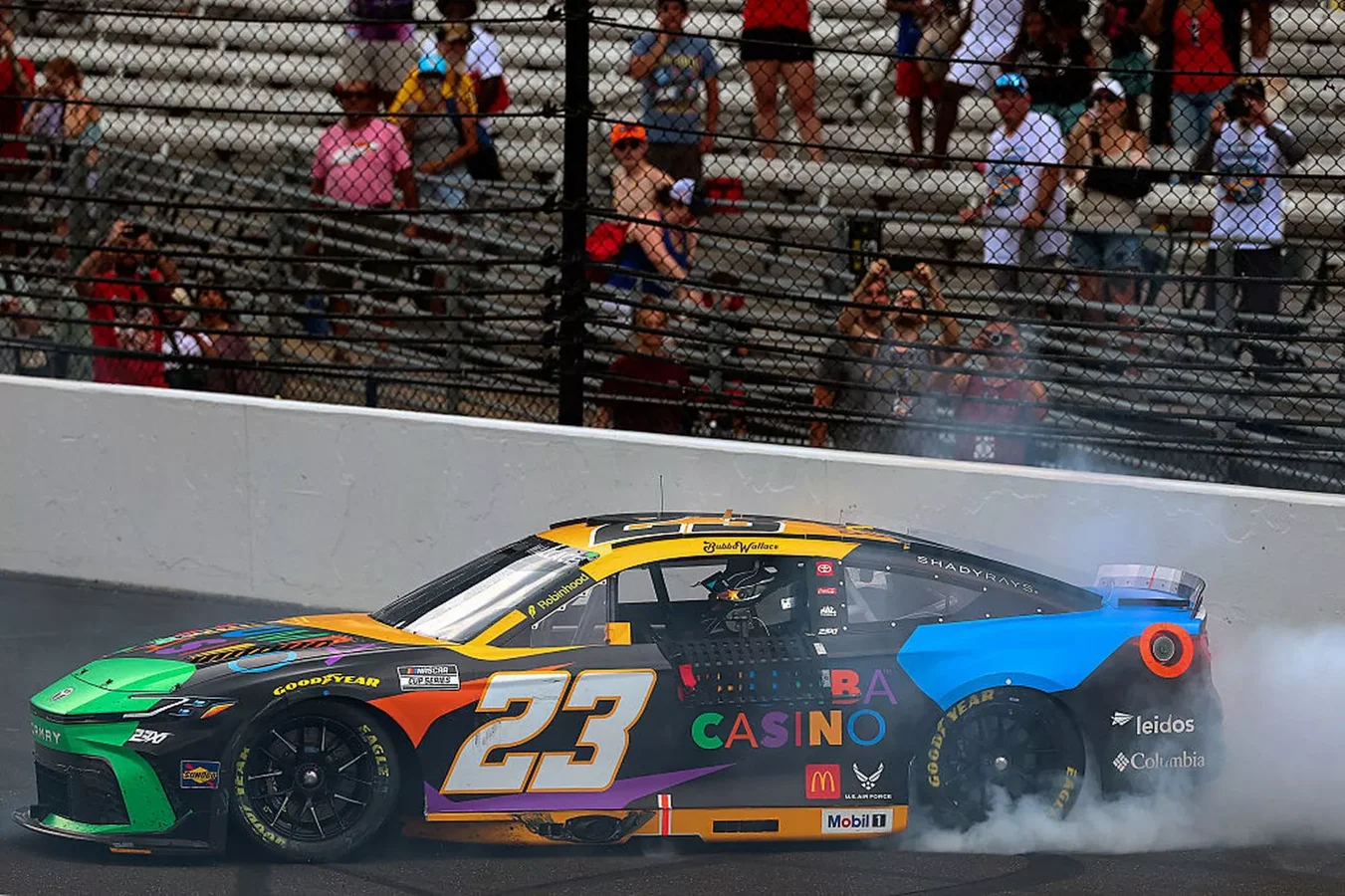

Bubba Wallace captured the Brickyard 400 at Indianapolis Motor Speedway in a gripping finish, holding off Kyle Larson during two overtime restarts, marking a milestone victory. This win carried significance far beyond the track, symbolizing resilience and determination in a sport where Wallace has often been viewed through the lens of his background rather than his talent. The “Bubba Wallace emotional Brickyard win” showcases the raw passion and human spirit that many fans may have previously missed.
The challenges shaping Bubba Wallace’s journey on and off the track
Since entering NASCAR, Wallace has frequently been framed by narratives focused on his race, often described first as “the black driver.” This focus eclipsed discussions of his driving skill or personality. In 2020, an incident in his garage stall at Talladega Superspeedway, where a pull rope was falsely reported as a noose by a crew member, led to widespread controversy. Despite Wallace’s lack of involvement, he became unfairly associated with the incident and was labeled “the noose guy,” a stigma that many fans have struggled to move beyond.
However, those who look beyond these defining moments recognize a driver whose emotional transparency and growth are integral parts of his identity. Wallace’s honesty, including moments of visible frustration, has occasionally invited criticism but has also demonstrated his capacity to learn and mature. This human side adds depth to his achievements and connects with fans who appreciate authenticity in the sport.
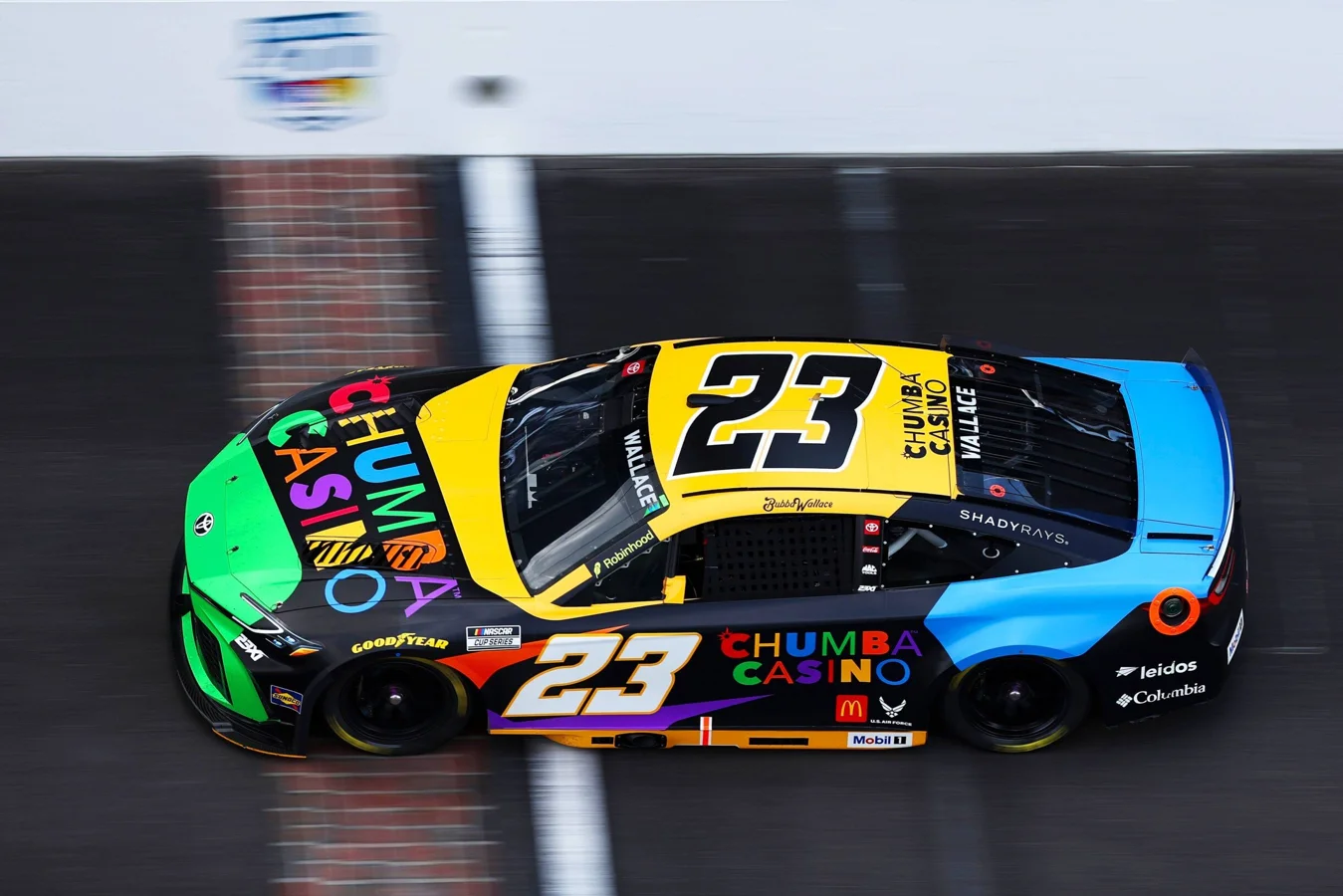
Wallace’s heartfelt reaction reflects why sports captivate us
Following his dramatic victory, Wallace’s emotional interview with the TNT broadcast team resonated deeply with viewers, reflecting the genuine pride and relief felt after a hard-fought win. His willingness to express vulnerability and gratitude speaks to the essence of competitive sport, where triumph is often intertwined with personal struggle.
This victory was Wallace’s first points-paying win since his 2022 Kansas Speedway triumph. That past success was shortly followed by one of the most difficult moments in his career when NASCAR suspended him for one race after he deliberately collided with Larson at Las Vegas Motor Speedway. Since then, Wallace has demonstrated more composure, which has coincided with consistent improvements in his performance.
Adding to the personal significance of this win, Wallace entered married life in December 2022 and welcomed his son, Becks, in 2024. This Brickyard 400 victory marks the first notable achievement he has been able to celebrate as a father, intensifying the emotional weight of the moment.
The importance of Wallace’s presence in modern NASCAR
Unlike many current drivers who are seen as overly scripted and lacking distinctive personalities, Wallace stands out for his emotional openness and individuality. Other racers like Ross Chastain and A.J. Allmendinger have also faced challenges, but Wallace’s perseverance adds a compelling narrative to the sport’s evolving culture.
His victories carry added meaning because they come with the context of overcoming both personal and public obstacles. Rather than being defined by reductive labels, Wallace represents one of NASCAR’s rare authentic characters in today’s racing environment. His success reminds the sport—and its fanbase—that what truly matters is the person behind the wheel.
What Wallace’s win means for NASCAR’s future
Bubba Wallace’s triumph at the Brickyard 400 is more than a race win; it is a symbol of progress and resilience in a sport seeking to renew its connection with fans. His journey underscores the importance of seeing athletes as whole individuals, not just through the lens of controversy or background. This victory may encourage NASCAR to celebrate diversity and authenticity more openly and inspire a new generation of drivers who bring passion and character to the track.
Fans and the racing community alike can expect Wallace to continue impacting NASCAR both through his performances and the way he represents the sport’s evolving identity. His emotional openness and commitment signal that his best moments on and off the track are still ahead.