
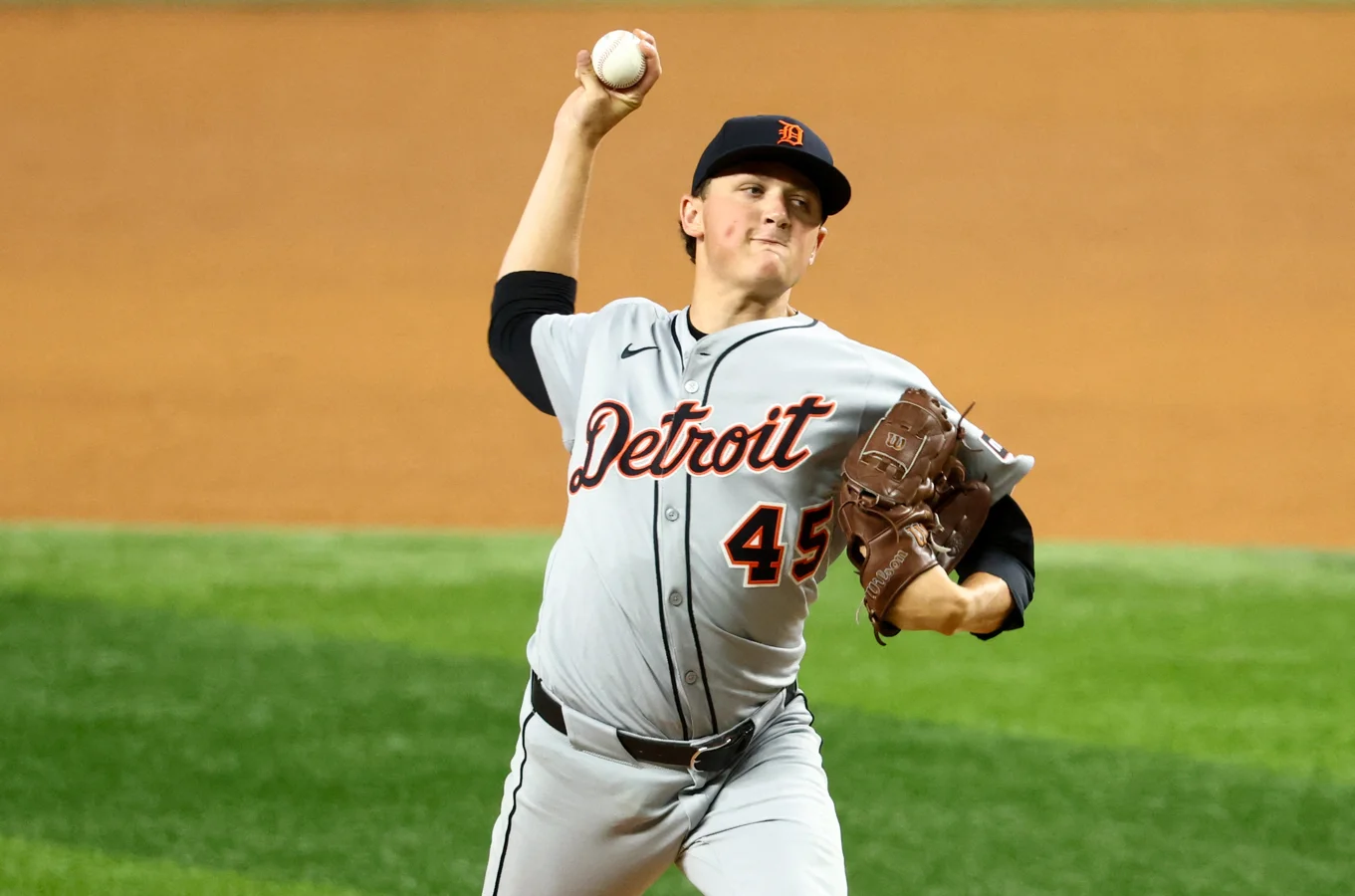

The Detroit Tigers encountered a significant blow Monday when Reese Olson was ruled out for the remainder of the season due to a shoulder strain. This injury disrupts the Tigers’ pitching rotation and intensifies the urgency for the team to adjust their strategy as the trade deadline nears, placing their playoff ambitions in jeopardy. The focus on securing reliable pitching has become critical after Olson’s absence.
Chris Paddack Arrives to Fill the Void in the Rotation
In response to Olson’s injury, the Tigers made a surprising trade to acquire right-handed pitcher Chris Paddack from the Minnesota Twins. Initially expected to strengthen the bullpen, the team’s plans shifted after Olson’s setback was confirmed by Scott Harris, the Tigers’ president of baseball operations, who emphasized the severity of the loss. Olson had become an essential figure in the rotation, maintaining a strong 3.15 ERA in 13 starts before his injury sidelined him.
The Difficult Task of Replacing Olson’s Consistency
Despite having ace pitcher Tarik Skubal on staff, the Tigers have struggled to find a dependable second starter throughout the season. Olson’s steady performances had provided much-needed stability, and now the team must fill that gap quickly. Paddack steps into this crucial role, bearing the responsibility to bring consistency to a rotation that has seen recent inconsistency and injury problems.
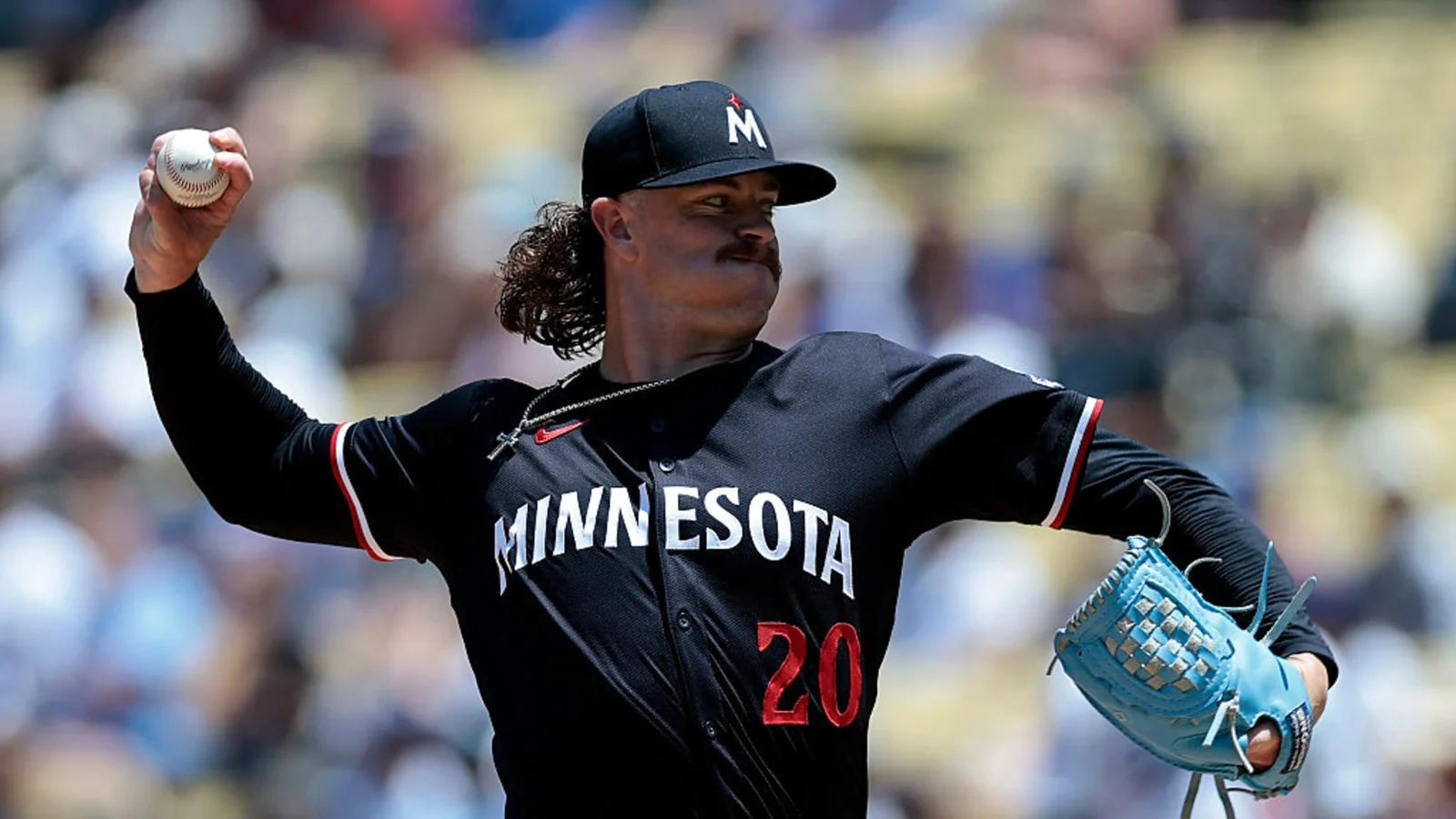
Paddack’s career began with promise during his 2019 breakthrough season with the San Diego Padres, but since then, he has faced challenges with maintaining a steady ERA, which currently stands at 4.88 over 45 appearances. His upcoming performances with the Tigers will be under close scrutiny as the team relies on him to help rebuild their pitching effectiveness.
Rotation Composition and Ongoing Concerns
The Tigers’ starting rotation now features Paddack alongside Tarik Skubal, Jack Flaherty, Casey Mize, and rookie Troy Melton. While each pitcher has potential, inconsistency remains a central concern. The team‘s attempts to add Alex Cobb as another rotation option were hindered by his ongoing health issues, making the pitching staff even more vulnerable to injury risks.
With the season advancing, the Tigers face a delicate balance. Another injury could severely damage their pitching capabilities. Yet, if the pitchers stay healthy, the team can consider shortening the rotation during the playoffs, lessening the demand for a deep pitching staff draft.
Looking Toward the Trade Deadline and Playoff Prospects
As the trade deadline approaches, the Tigers’ primary objective is to optimize their current roster while remaining open to potential deals. The success of their season will largely depend on how well Paddack adapts to his new role and how the entire pitching staff responds to the added pressure. Despite the obstacles posed by Olson’s absence, Detroit still holds a chance to remain competitive and keep their postseason aspirations intact through smart adjustments and strong performances.
“The Tigers’ president of baseball operations, Scott Harris, confirmed the seriousness of Olson’s injury shortly after the trade, indicating that the situation is dire for a team with playoff aspirations.” —Scott Harris, Tigers President of Baseball Operations