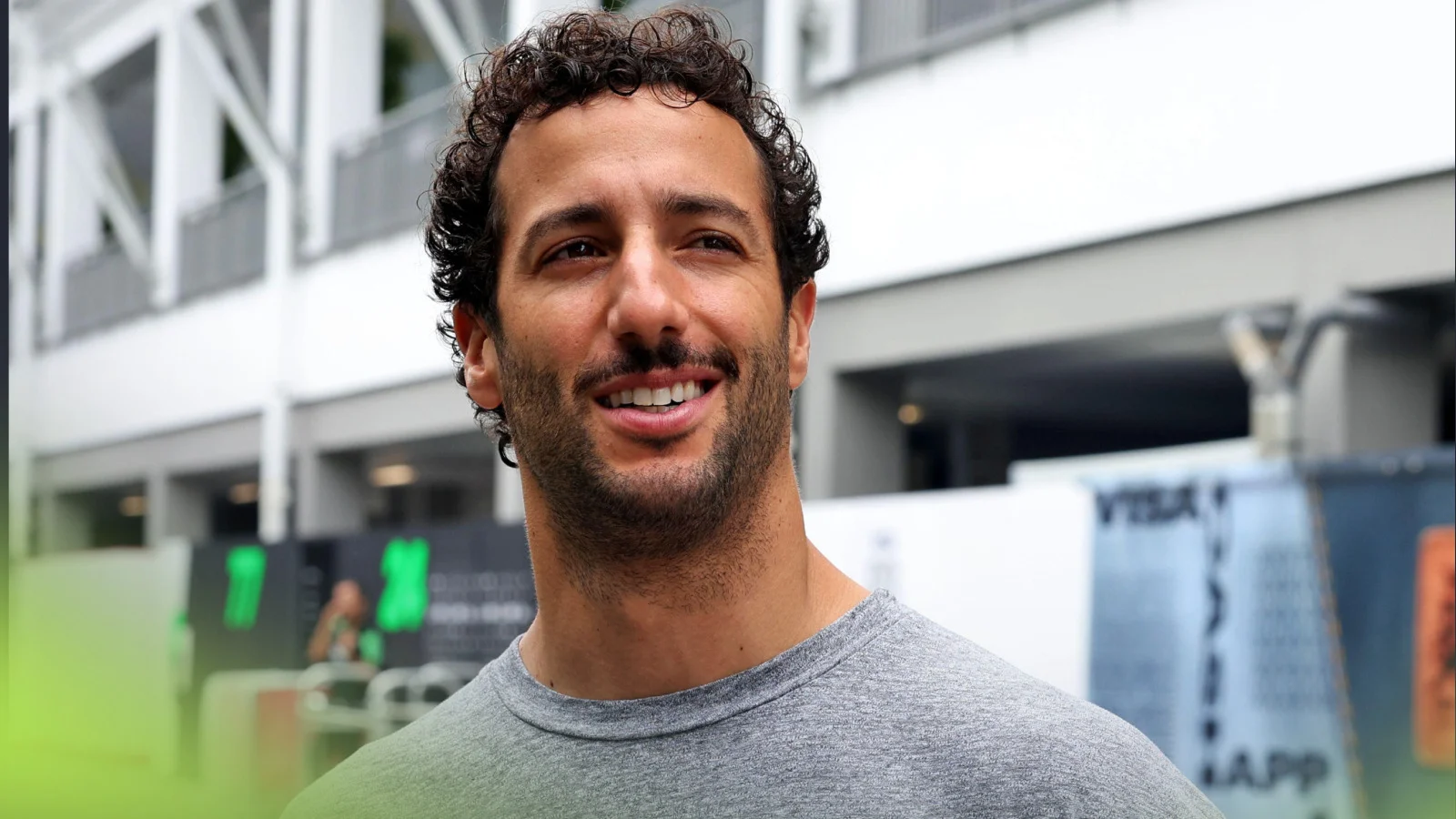
Daniel Ricciardo finds peace post-F1, embracing balance with meditation, fitness, and relaxed travel after retirement.
Daniel Ricciardo, the well-known Australian Formula 1driver, has shared that stepping away from F1 racing has brought him an unexpected sense of peace and balance. Since retiring midway through the 2024 season, Ricciardo F1 retirement balance has become a key part of his life, allowing him to focus more on his wellbeing and personal growth.
His departure came after the Singapore Grand Prix last year, when Racing Bulls replaced him with Liam Lawson. This change occurred after Ricciardo was passed over for a move back to Red Bull’s senior team, despite circumstances that might have opened the door for a mid-seasonpromotion.
The Transition from Racing to a Slower Pace
Ricciardo’s exit from Formula 1 was influenced by Lawson’s strong performances during substitute appearances for the injured Australian in 2023. Racing Bulls decided to let the New Zealander finish the 2024 season, effectively closing the chapter on Ricciardo’s on-track career. Since then, Ricciardo has kept a low profile outside of endorsing motorsport-related ventures, including his fashion brand Enchante and a gambling platform, as well as supporting young racers through his Daniel Ricciardo Series.
During an interview with Men’s Fitness, Ricciardo offered insight into how life beyond F1 has allowed him to develop a deeper relationship with himself. He explained,
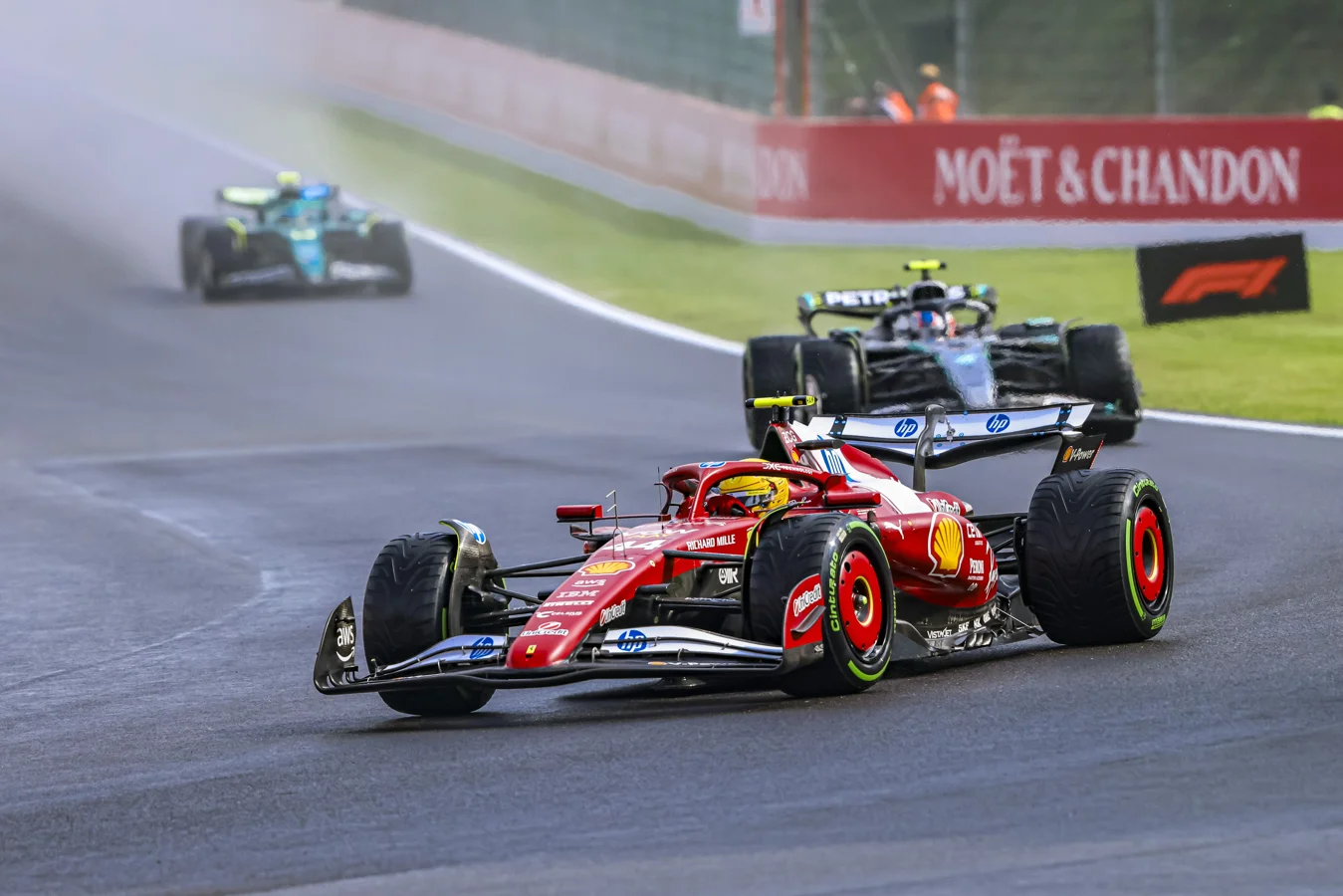
Image of: F1
“I definitely enjoy my own company more now. I think the meditation has helped, and I feel like I’ve definitely found a little more peace and balance with everything in my life,”
adding,
“I’m able to give more of myself to others around me and show up more.”
Life Outside the Track: Slower Travel and Health Improvements
Without the constant demands of an F1 schedule, Ricciardo has spent much of his time at home in Western Australia, while also attending social and sporting events such as Wimbledon and playing padel alongside fellow drivers Oscar Piastri and George Russell. This reduced travel has had a positive impact on his health, as he revealed,
“I used to get sick a lot, especially with the travel. I think just being more consistent with supplements and sleep has helped a lot,”
improving his overall wellbeing.
Although Ricciardo’s competitive racing days appear to be behind him, he remains physically active and embraces training purely for his own health instead of professional requirements. Reflecting on the strict regimen required in F1, he said,
“We had such parameters to stay within. We had to watch the calories, we had to watch our weight. Now I’m just training for me and for my wellbeing.”
He enjoys the freedom to eat more calories and train on his own terms.
“It feels really good to lift again,”
Ricciardo stated,
“It’s like slow and steady gains, but I feel healthy. I feel strong. And I think if I can do something each day, that’s kind of a little win.”
Adapting Habits and Embracing New Skills
Though old routines linger, Ricciardo views his relationship with food differently now, allowing himself more flexibility while still mindful of nutrition. He has also picked up cooking, admitting,
“I’m still like a one out of ten,”
and explained,
“But just cooking my own meals and knowing where the food comes from, it feels good.”
Ricciardo built an impressive Formula 1 career with eight Grand Prix victories from 257 starts, a record recently matched by fellow Australian Oscar Piastri, who won in Belgium last weekend. His shift away from racing marks a new chapter defined by personal wellbeing rather than competitive pressure.
What Lies Ahead for Ricciardo and the Motorsport Community
As Ricciardo embraces his post-F1 life, his journey offers a hopeful perspective on how athletes can transition smoothly out of elite competition. His focus on mental and physical health underscores the importance of balance beyond professional success. Meanwhile, young drivers like Liam Lawson and Oscar Piastri continue to make their mark on the sport, potentially inspired by Ricciardo’s path.
Ricciardo’s story also highlights broader conversations within Formula 1 about the toll of racing and travel on drivers’ health, echoed by figures such as Martin Brundle, who calls for greater scrutiny from the FIA. For Ricciardo, the peace and balance he has found since stepping back reflect not only his own growth but also a shift in how the motorsport world may approach athlete wellbeing in the future.