
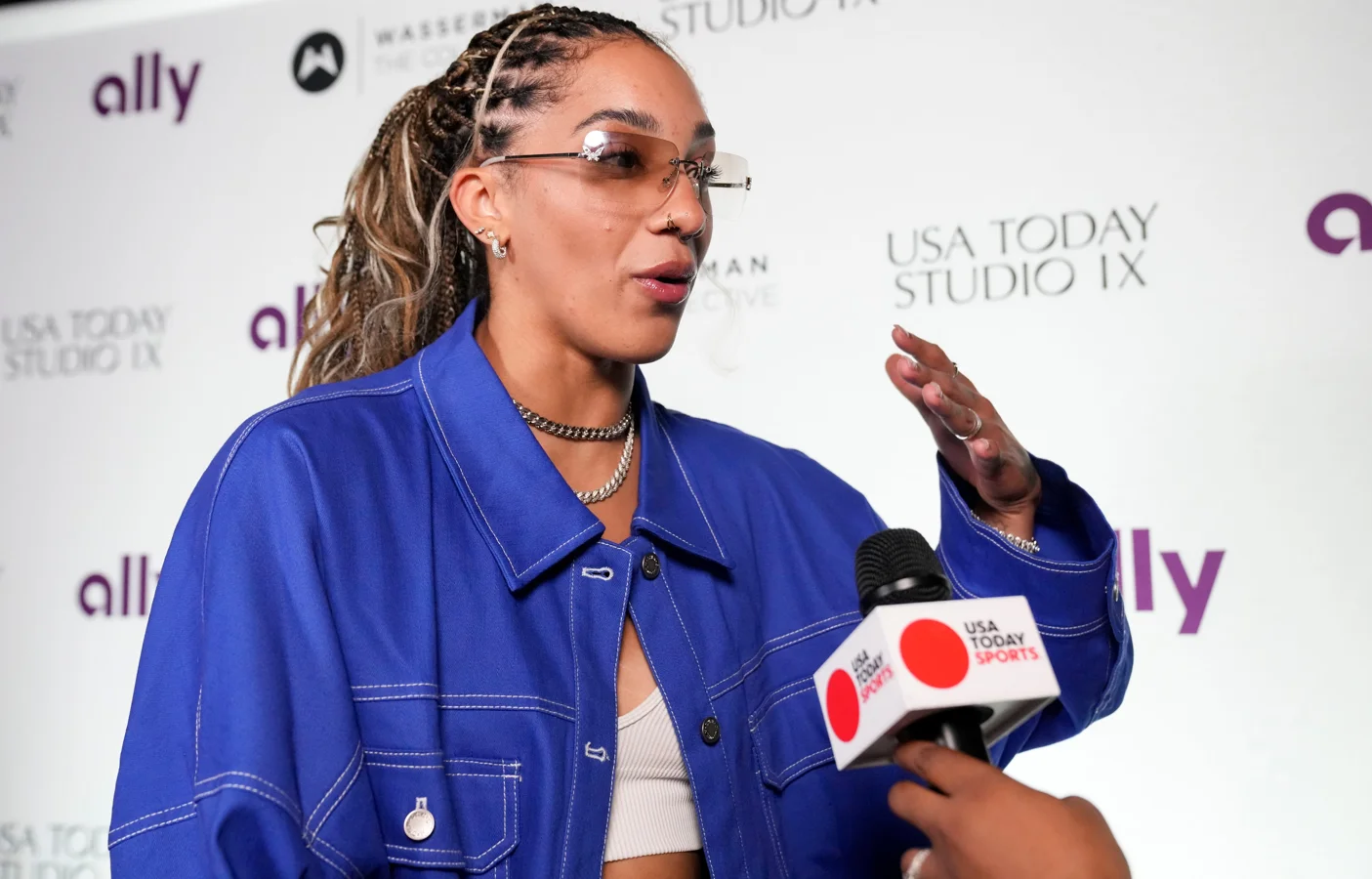

During ongoing Collective Bargaining Agreement (CBA) negotiations between the WNBA and the players association (WNBPA), Seattle Storm forward Gabby Williams has criticized the league‘s stance on the emerging 3×3 league, Unrivaled, stating that Unrivaled “saved the WNBA’s butt.” The debate centers on Unrivaled’s role as a domestic offseason option providing competitive pay and facilities, even as the WNBA moves to marginalize it.
Unrivaled was launched in January 2025 by WNBA stars Napheesa Collier and Breanna Stewart to offer players a chance to compete domestically during the offseason with better salaries and training resources. However, Williams claims the WNBA is trying to suppress other leagues like Unrivaled in favor of tighter control over players’ offseason participation.
Gabby Williams Criticizes WNBA’s Push Against Competing Leagues
Following a July 17 in-person meeting addressing the potential new CBA, Williams expressed frustration over the league’s approach toward other leagues, saying,
“Especially being in the CBA meeting yesterday, it’s very clear that the league wants to push away all other leagues.”
Her statement suggests that the WNBA is actively seeking to monopolize player activity and restrict opportunities outside its own framework.
In a public tweet echoing this sentiment, a fan account highlighted Williams’ defiant stance against league leadership, underscoring the tension between players advocating for expanded opportunities and the league’s restrictive policies.
Williams also appeared on the show Good Game with Sarah Spain, reinforcing her view that the WNBA paradoxically owes much of its offseason player turnout to Unrivaled. She pointed out,
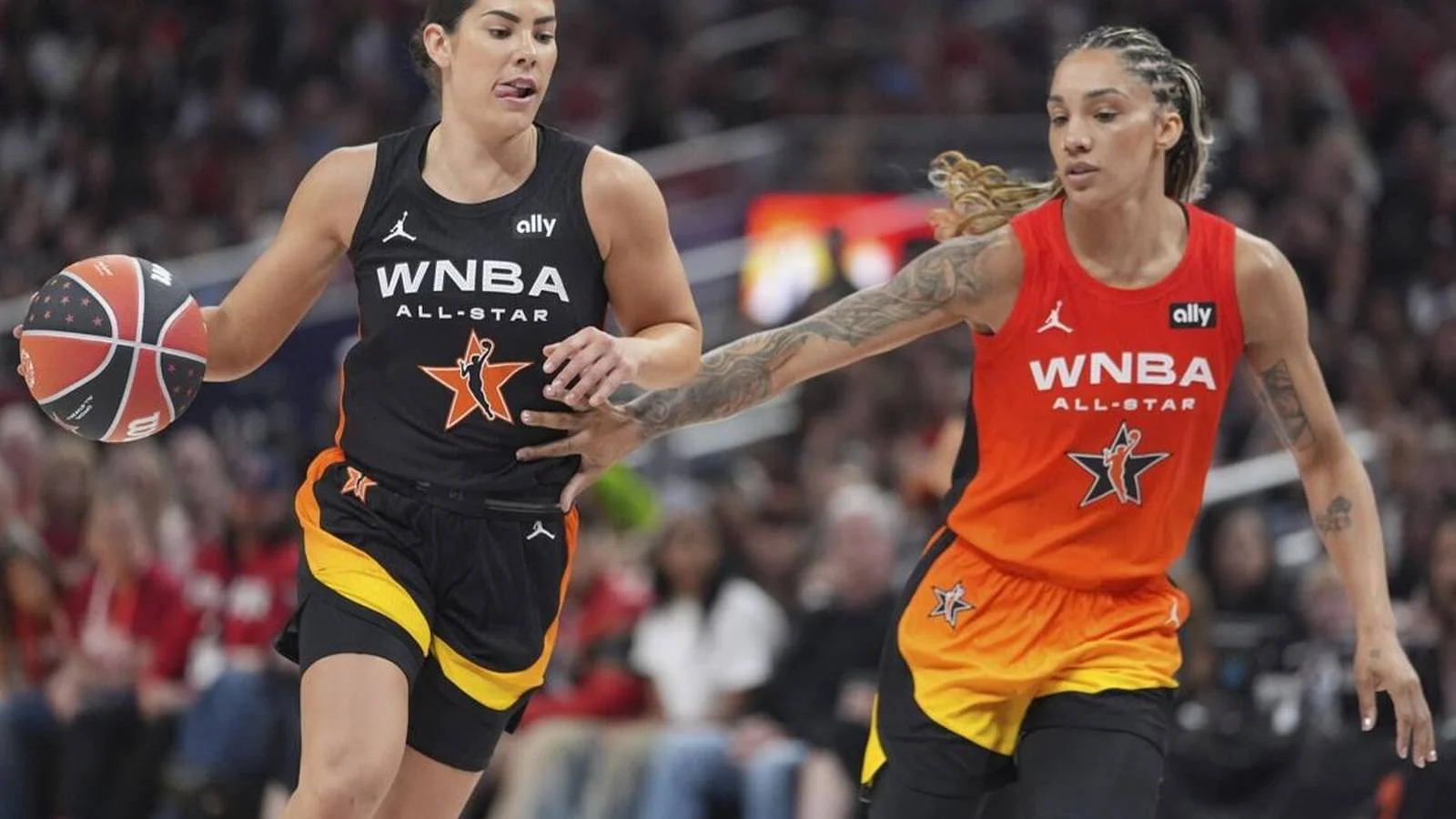
“I think Unrivaled saved the WNBA’s butt this year because a lot of players made it on time to training camp, which is ironic that the W doesn’t like Unrivaled because the W wouldn’t have had a lot of players without Unrivaled.”
This comment alludes to the controversial prioritization rule, which requires players with three or more years of WNBA experience competing overseas to report to their WNBA teams by the start of training camp or May 1, whichever is later. Missing the start of the regular season can result in suspension, creating conflict due to overlapping international seasons.
Storm Forward Urges Season Extension Amid League Expansion
With the WNBA preparing to add three new teams—Cleveland in 2028, Detroit in 2029, and Philadelphia in 2030—Williams indicated that discussions are underway about lengthening the season to accommodate growth. She acknowledged this season extension is likely necessary but raised concerns about restrictive policies potentially pushing players away.
Williams warned,
“Of course we’re going to have to lengthen the season and I think that is the ultimate goal. But if they lengthen the season and force us to not play in these other leagues, maybe I won’t be in the W if I get a much better offer from Unrivaled or from another team overseas. And I think a lot of players are thinking about that.”
This stance reflects her long-standing criticism of the WNBA’s tight roster rules and low pay relative to the demands placed on players. Williams has publicly challenged the narrative shared by league officials regarding player salaries, especially for international players.
Williams Challenges League Salary Claims and Player Compensation
During a previous interview, Williams addressed misconceptions about player earnings, stating plainly,
“Our commissioner talked about us being able to, you know, make $700,000. That’s actually not true at all. There’s not one player who makes that.”
This underscores the gap between commissioner statements and the on-the-ground reality for most WNBA players.
Despite a new CBA proposal aimed at improving conditions, Williams remains skeptical:
“It would make sense if they were paying us more here but it still isn’t the case, even with the new proposal. It’s very clear now that they want to push Unrivaled out, push [Athletes Unlimited] out… so I think now more than ever it’s important to push against these kinds of issues.”
Potential Work Stoppage Looms Without CBA Resolution
As discussions continue, the league and WNBPA must reach an agreement by October 31, when the current CBA expires. Failing to secure a new deal could result in a work stoppage ahead of the 2026 season, disrupting players and fans alike. This contract impasse amplifies players’ considerations to increasingly view leagues like Unrivaled as viable alternatives, especially if WNBA restrictions continue without commensurate compensation.
The growing tension underscores significant challenges facing women’s professional basketball, highlighting player demands for fair compensation and autonomy. How the league manages its response to Unrivaled and the offseason market may profoundly influence player retention, league growth, and the future landscape of women’s basketball.