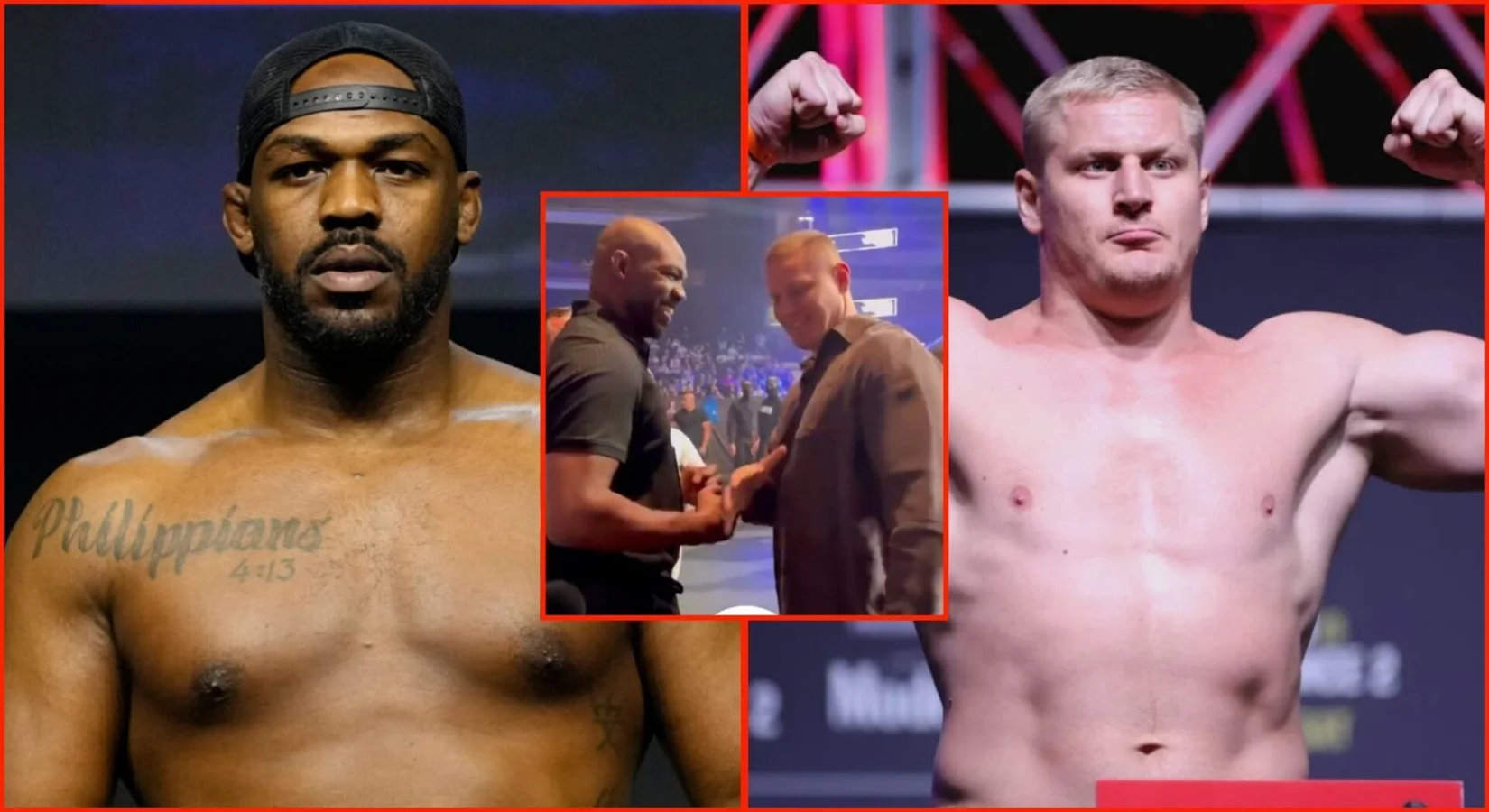
Speculation mounts on Jon Jones' UFC comeback despite previous retirement, with potential for White House event involvement.
A tragic shooting unfolded in Midtown Manhattan on July 28, 2025, when a suspect armed with an assault rifle opened fire inside a business building, killing one police officer and two civilians. The New York Police Department (NYPD) neutralized the shooter after the rampage, which has intensified discussions about gun control laws and public safety across the city. The incident sent shockwaves not only through New York but also prompted public figures like Jon Jones’ Brazilian Jiu-Jitsu coach, Gordon Ryan, to publicly express frustration and concern.
According to the NYPD, the suspect entered 345 Park Avenue wearing body armor and carrying an M4 rifle at about 6:28 p.m. local time. After shooting officer Didarul Islam, who was on off-duty security, and two civilians in the lobby, the gunman ascended to the 33rd floor, where he fatally shot Wesley LePatner, a Blackstone executive, before taking his own life. This violent episode has reawakened debates about the effectiveness of ‘gun-free zones’ in densely populated urban areas like Midtown Manhattan.
Gordon Ryan, Jon Jones’ BJJ coach, reacted sharply to the incident via his Instagram, posting a photo of the suspect with a firearm en route to the corporate building. He wrote,
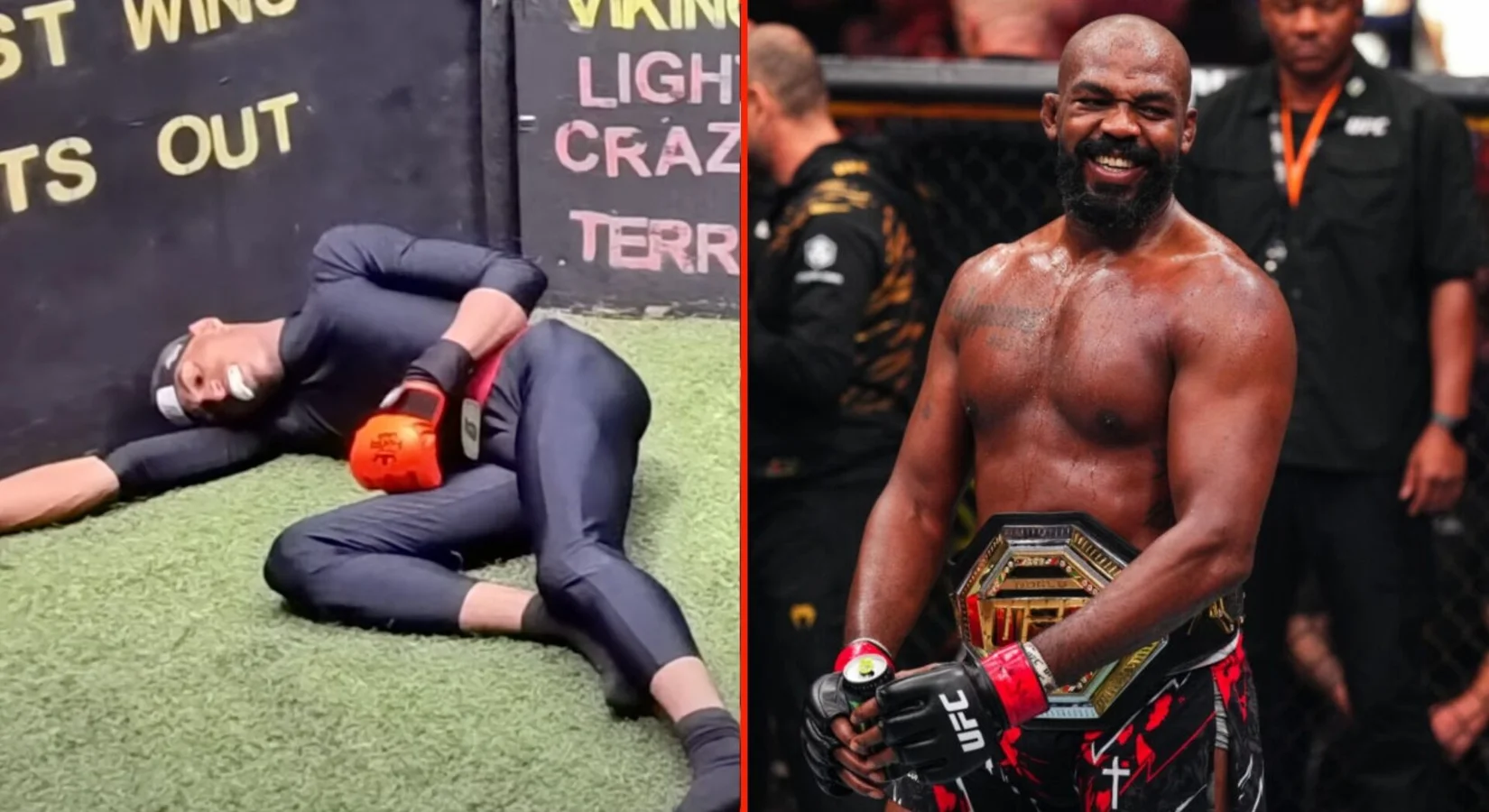
Image of: Jon Jones
“I’m confused. No one told him it was a gun-free zone? How could this happen? What an absolute f–king joke, NY.”
—Gordon Ryan, Jon Jones’ BJJ Coach
The NYPD confirmed that, in addition to the fatalities, two other victims—one civilian and one officer—were shot in the back but are expected to survive. The FBI and the NYPD bomb squad remain on site, securing the building and assisting with the ongoing investigation. Meanwhile, New York City Mayor Eric Adams urged residents to avoid the area, stating,
“Here is an active shooter investigation taking place in Midtown right now. Please take proper safety precautions if you are in the vicinity, and do not go outside if you are near Park Avenue and East 51st Street.”
—Eric Adams, Mayor of New York City
Details of the Incident and Law Enforcement Response
The shooter, identified as Shane Devon Tamura, arrived in a double-parked BMW before entering the building and opening fire. Witnesses reported that no one stopped him from carrying the assault rifle inside the premises. His initial target was Officer Didarul Islam, who was providing off-duty security duties, followed by two civilians. After shooting victims on the lobby floor, Tamura proceeded to the 33rd floor and killed Wesley LePatner before ending his own life.
Authorities have stressed their ongoing efforts to secure the scene and investigate the motives behind the attack. The tragedy uncompromisingly highlights the vulnerabilities in security at public and corporate spaces, reigniting fierce debates over the country’s gun control policies, mental health interventions, and preventive measures for such violent acts.
Ongoing Debate over New York’s Gun-Free Zone Policies
This violent episode challenges the credibility and enforcement of gun-free zone regulations, a topic many citizens and officials are now questioning. Gun violence in the United States remains a persistent problem, with 254 public shootings reported so far this year nationwide, according to CNN statistics. The failure to prevent armed assailants from entering designated gun-free zones intensifies public distress and amplifies calls for stronger legislation and improved enforcement.
The incident in Midtown Manhattan has underscored the urgent need to reassess current security measures and gun safety laws to prevent similar tragedies. Some argue that existing policies are inadequate, while others emphasize addressing mental health problems alongside stricter gun control. This event has placed renewed pressure on lawmakers and community leaders to implement comprehensive solutions for firearm-related violence in urban centers.
Jon Jones’ UFC Comeback Amidst Growing Public Anxiety
Amid the unrest in New York, UFCheavyweight champion Jon Jones continues to generate speculation about his career despite recently announcing his retirement and relinquishing his title in June 2025. Jones remains in the UFC’s testing pool and is reportedly negotiating a comeback, representing a significant storyline in the mixed martial arts world amid a tense atmosphere across the country.
Jones expressed his desire to fight on the UFC’s special White House event scheduled for July 2026. However, UFC President Dana White has expressed skepticism regarding Jones’ return, citing trust issues rooted in past difficulties with the athlete. Despite this, Jones has not ceased his efforts to secure a fight and maintain his presence in the sport.
Potential Fight Offers and Jones’ Reflections on Alternative Matches
Jon Jones recently declined an alternative fight proposal offered by IBO boxing head Al Siesta during a bare-knuckle boxing event in Russia. Siesta invited Jones to participate in a fight either at the White House card or as a special match in Red Square, possibly featuring boxing legends like Fedor Emelianenko. Jones respectfully declined, citing the significance of his role in the UFC and his admiration for fighters like Emelianenko and Anderson Silva.
During an exchange about fighting Fedor Emelianenko, Jones stated,
“No. No one wants to see Fedor and I fight, I don’t want to fight Fedor, I absolutely love Fedor, he’s been one of my big idols for a long time. It’s the same with Anderson Silva, these guys inspired me in my youth, and that will never change.”
—Jon Jones, UFC Heavyweight Champion
Though Jones remains committed to a UFC comeback, uncertainty surrounds when and if Dana White will approve his return to competition. Jones’ decisions and negotiations in the coming months will significantly impact both his career trajectory and the UFC landscape.
Broader Cultural Questions Raised by Gun Violence
The Midtown shooting compels society to grapple with uncomfortable questions about the prevalence of gun violence in America. It has sparked urgent conversations about how urban areas protect citizens, the effectiveness of current gun laws, and how mental health resources can be integrated into prevention strategies. The tragedy serves as a painful reminder of the human cost of violence and prompts calls for renewed commitment to policy reform and cultural change.
As this situation develops, the NYPD and FBI continue their investigations while the city mourns lost lives and prays for the recovery of survivors. The incident will likely influence future proposals on public safety measures not only in New York but across the United States, shaping the national dialogue around gun control, policing, and community well-being.