
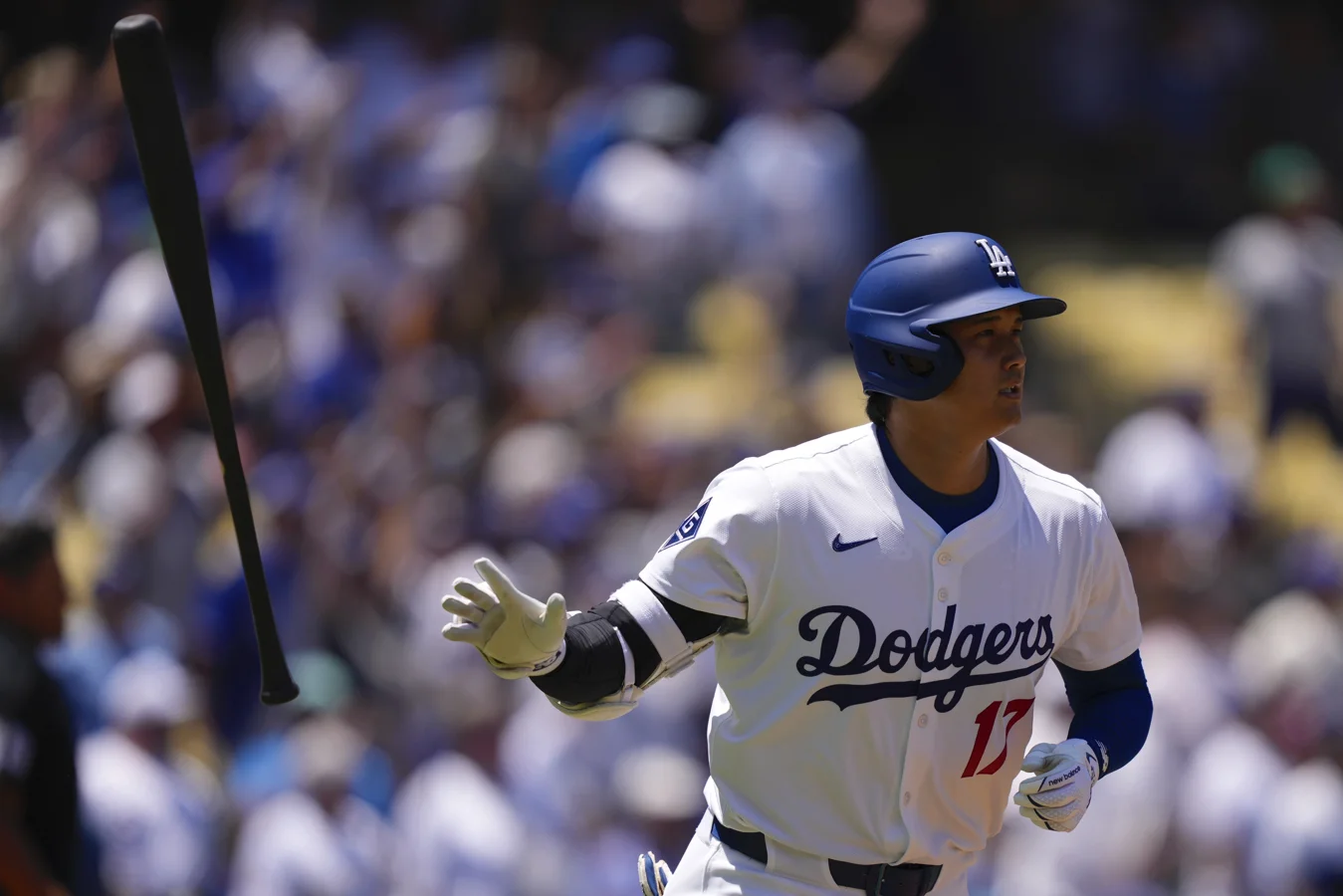

New York Mets outfielder Juan Soto grew visibly upset on Monday after a questionable strike call by the home plate umpire in a matchup against the San Diego Padres. The incident occurred in the top of the third inning when pitcher <a href=”https://www.buzzineintl.com/tag/dylan-cease/”>Dylan Cease delivered a pitch that appeared well outside the strike zone, yet the umpire ruled it a strike, igniting Soto’s frustration.
Following that out-of-zone call, Soto argued loudly with the umpire as the count reached two balls and two strikes. Cease then threw a breaking ball that barely touched the plate, and Soto struck out. Mets manager Carlos Mendoza rushed onto the field to defuse the situation and spoke firmly with the umpire before Mendoza was ejected from the game. Soto was restrained and led back to the dugout amid the tense moment.
Recurring Issues with Strike Calls Have Plagued Soto
This was not the first time Soto has been on the receiving end of dubious strike calls. Earlier in July, on the 7th, Soto reacted strongly after a controversial strike call during an at-bat against the New York Yankees. Home plate umpire John Bacon called a pitch from Yankees ace Max Fried a strike even though it appeared to be low and away. Soto’s reaction expressed his disappointment, but he subsequently struck out as the Mets lost 6-4.
Confusion and Delays in Check Swing Decisions Affecting Mets’ Chances
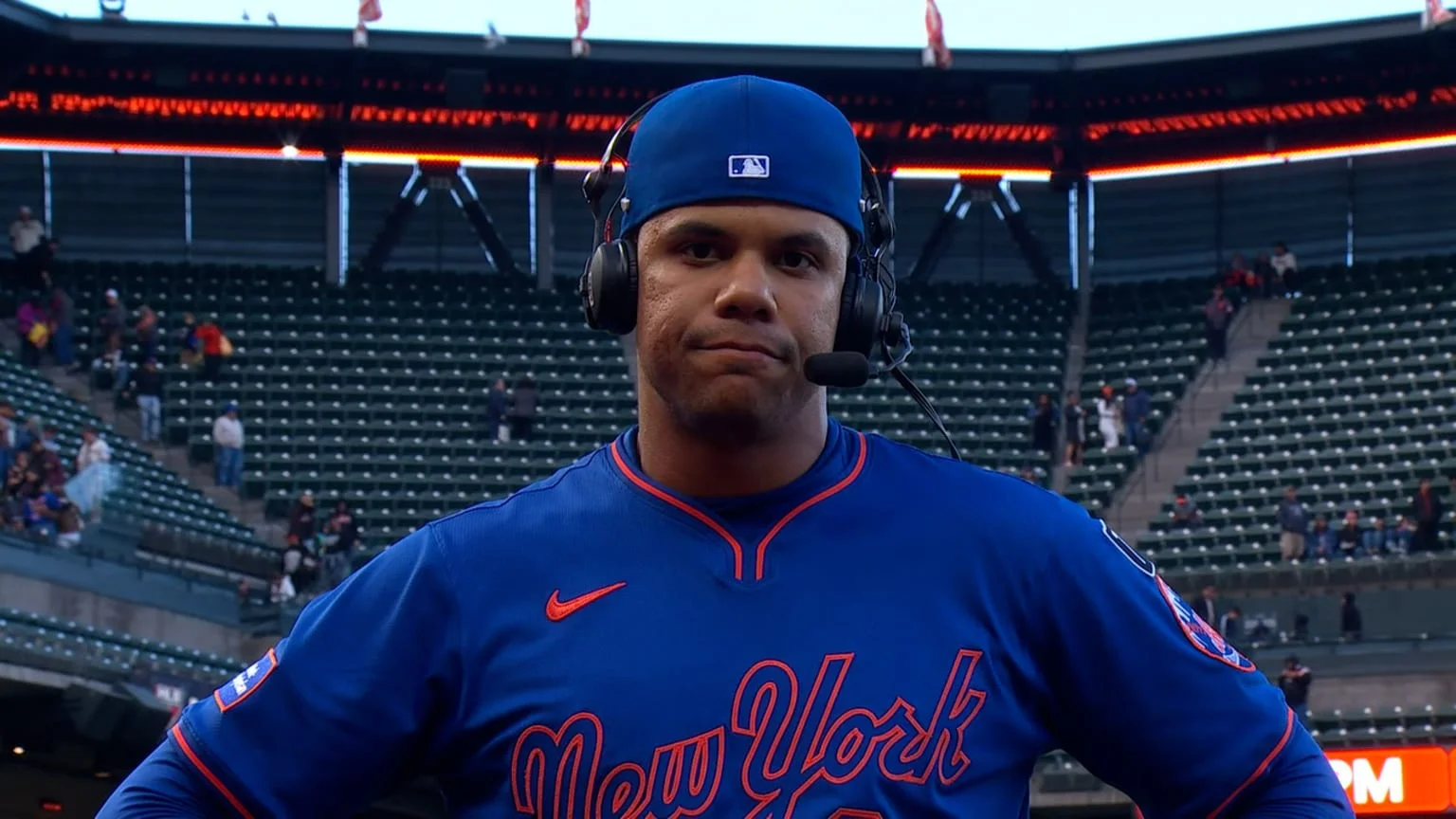
Aside from disputed strikes, Soto and the Mets recently faced controversy involving a delayed call on a check swing. In a tight game tied 4-4 during the ninth inning, with Soto on first base and Pete Alonso at bat, the sequence took a critical turn. Alonso lined the ball to right field, where Atlanta Braves outfielder Ronald Acuna Jr. made a spectacular catch.
Soto hesitated between first and second base, uncertain whether the catch was secured, as the first base umpire took several moments before making his ruling. During the delay, Acuna Jr. threw the ball to first base, catching Soto in a rundown and ultimately tagging him out. The Mets lost the game 5-4, and Soto later criticized the umpire’s slow decision-making for putting him in a difficult position.
“I mean, we rely on the umpires,” Soto said. “We wait for them to make the call. We had something like that earlier this year too.” —Juan Soto, Mets outfielder
“The goal is look for the umpire and make sure he makes the right call. But I felt like he just took way too long to make the decision, and it just put me in a tough spot.” —Juan Soto, Mets outfielder
Ongoing Disputes Highlight Tension Between Mets and Umpires
Juan Soto’s repeated run-ins with unfavorable calls have sparked noticeable tension between the Mets and game officials. Known for his strong judgment of the strike zone, Soto’s visible irritation after Monday’s game stems from a pattern of what he and his team perceive as inconsistent umpiring. Manager Carlos Mendoza’s attempt to intervene underscored how seriously the Mets took these officiating controversies.
Such disputes not only heighten tensions during the game but also impact the Mets’ ability to execute under pressure. With several recent incidents involving Soto—from strike call controversies to delayed check swing rulings—the team’s confidence in referee decisions has been tested repeatedly. How umpires handle future calls in games involving the Mets and Soto may influence the dynamic and outcome of upcoming matches.
Our Reader’s Queries
Q. Why did Juan Soto get so much?
A. Soto’s pricey contract shows how his outstanding talent and the prospect of free agency increased his value. Competition for his skills raised the cost.
Q. Why do people think Juan Soto is so good?
A. He is recognized for his skill in hitting the ball to different areas of the field, even with two strikes. By the end of the 2020 season, Soto had a total of 69 home runs in Major League Baseball. He evenly distributed these home runs across the field: 23 to the left, 23 to the center, and 23 to the right.