
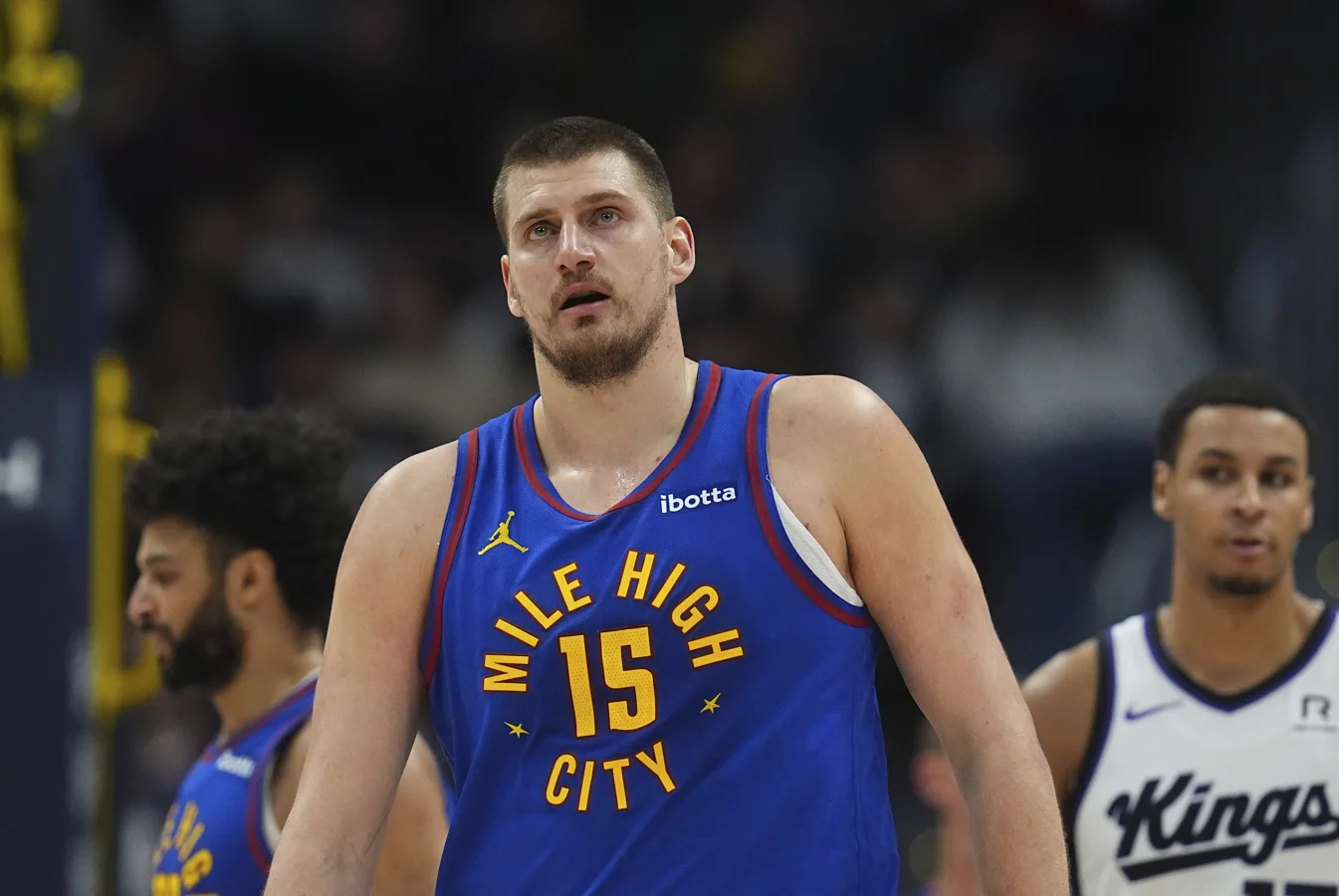

Recently, a trade idea involving Karl-Anthony Towns moving to the Brooklyn Nets in exchange for Nic Claxton and future draft picks from the New York Knicks has gained attention. While the concept is generating buzz, a closer look reveals this Karl-Anthony Towns Brooklyn Nets trade does not align well with either team‘s current goals or roster construction.
The Brooklyn Nets would receive Karl-Anthony Towns, while the Knicks would acquire Nic Claxton along with two future first-round draft picks, one from Philadelphia in 2028 and another from Brooklyn’s own 2031 selection. On the surface, it might appear beneficial for New York by shedding salary and gaining potential assets, but the reality is more complex.
Why the Trade Misses the Mark for Both Teams
This deal mainly serves to lessen the Knicks’ salary commitments and add future draft options, yet it demands too much from Brooklyn, who would be giving up a promising young center in Claxton and valuable picks. The Nets are not a contender right now—they are in the very early stages of a rebuild, making the trade illogical from their standpoint.
Unlike last summer’s trade that sent Mikal Bridges to New York and helped establish the Knicks as serious title contenders, this proposal lacks mutual advantage. Brooklyn’s roster still boasts young stars and near playoff-level talent, making a move like acquiring Towns less about contention and more about disrupting their rebuilding timeline.
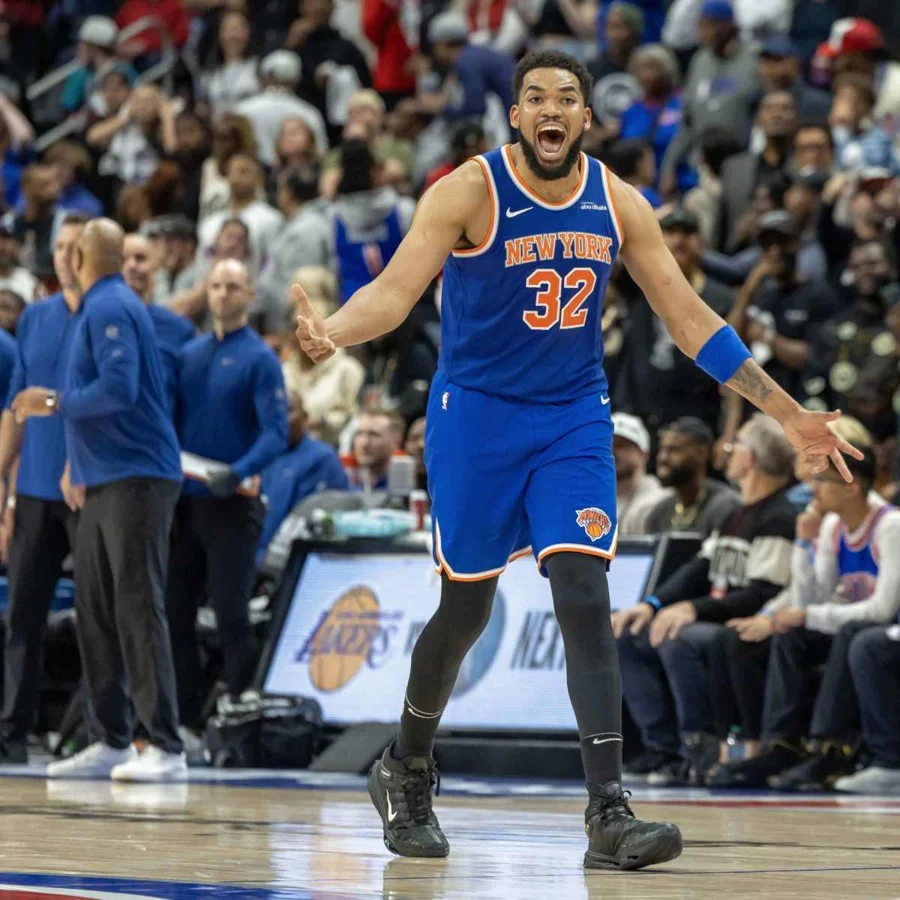
The Nets have clear intentions to keep Claxton as a cornerstone, demonstrated by their recent contract extension with him. Their focus is on developing talent rather than bringing in a high-profile but expensive star like Towns during this phase.
What the Trade Suggests About Both Franchises’ Directions
For the Knicks, introducing Towns would be a gamble, especially after coming close to reaching the NBA Finals last season. The team’s management risks upending a promising roster for uncertain gains, and the financial complications could limit flexibility soon after the trade.
Meanwhile, the Nets moving toward a rebuilding strategy means they are unlikely to part with important assets or commit to a player like Towns, whose contract and role would clash with the team’s current vision. The mismatch is similar to a hypothetical scenario where Kevin Durant would join a developing Houston Rockets squad; the circumstances and timing simply do not line up.
This trade idea might be an entertaining point for fans to debate and imagine, but it falls short of practical or strategic sense for the two franchises involved, even considering their past willingness to make impactful moves.
Implications for Future Moves and Team Strategies
Ultimately, New York could pursue a more fitting trade situation than this one with Brooklyn if they wanted to explore different options involving Karl-Anthony Towns. The proposed exchange does not offer the Knicks enough to justify replacing Claxton and giving up future draft capital, nor does it support Brooklyn’s rebuilding goals.
Both teams must carefully weigh how potential trades fit within their long-term plans. While cross-rivalry trades like the previous Bridges deal saw mutual benefit, this new proposal with Towns appears to be a step too far in terms of alignment and timing for either side.