
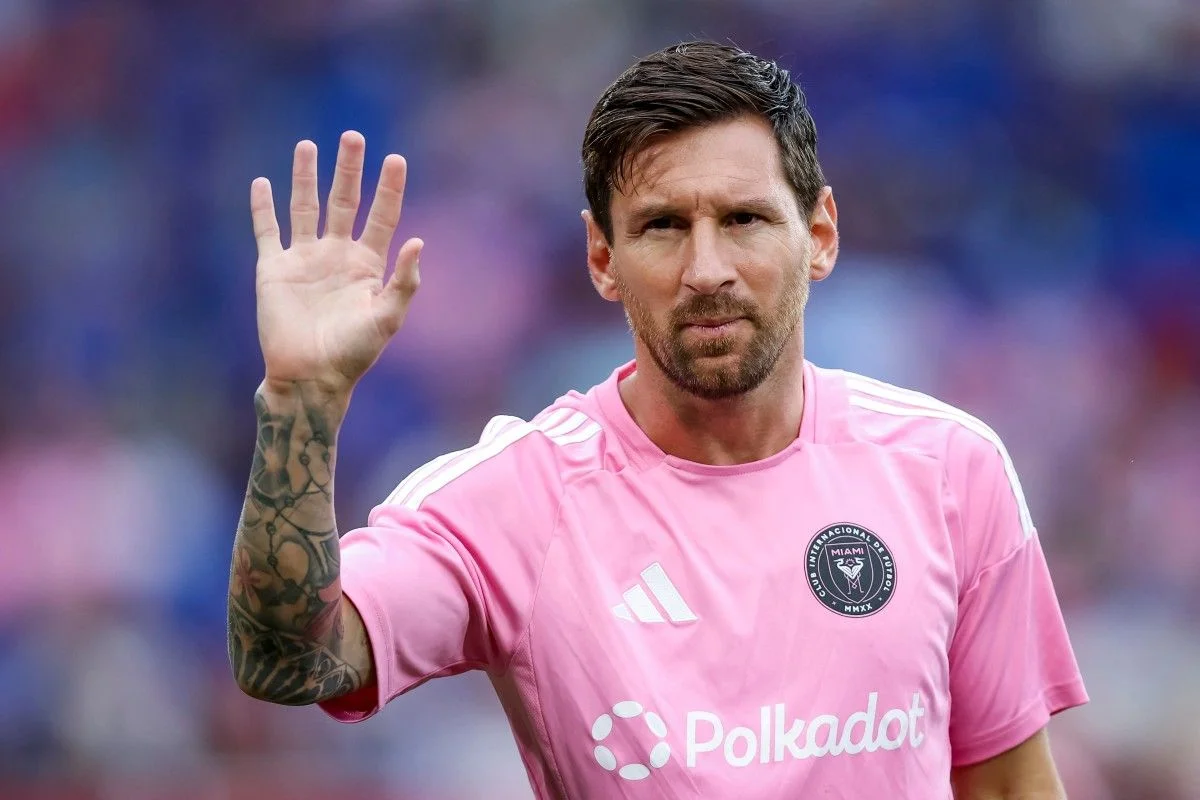

On July 24, former Miami Marlins president David Samson brought up Lionel Messi during a discussion on Golden State Warriors star Stephen Curry’s recent comments about feeling underpaid. Samson criticized Curry’s remarks, pointing out that despite earning $55.7 million last season, Curry argues players deserve a stake in team and league ownership to reflect their contributions to the sport’s growth.
Samson suggested Curry should consider acquiring equity in his team, similar to how NFL legend Tom Brady became a part-owner to gain influence beyond the court. He urged Curry to use his substantial salary to push for ownership, which would provide him with a stronger voice in league decisions.
“One thing you (Stephen Curry) can do, is call up the owners of the Warriors and say ‘I would like to buy a piece of a team’,” Samson said. “Just like Tom Brady did. Then, you can fight about the valuation, try to get a discount, try to get it past the board of governers in a way that Tom Brady could, and sign a personal services contract going forward, which pays you an ungodly amount of money.”
In a pointed remark, Samson indirectly criticized Lionel Messi, who recently chose not to participate in the MLS All-Star game.
“All you have to do is show up and not be Lionel Messi. Show up, shake hands,” Samson said (Timestamp: 1:25:00).
This comment references Messi’s controversy surrounding his decision, alongside teammate Jordi Alba, to skip the highly anticipated MLS All-Star event.
Why Messi and Alba Opted Out of MLS All-Star Game and League’s Response
Lionel Messi’s team, Inter Miami, was the only MLS club to advance to the knockout round in the FIFA Club World Cup, leading to a congested schedule of demanding league matches. Given this intense fixture list, rest became a crucial factor for Messi and Alba, motivating their choice to sit out the MLS All-Star game and focus on the demanding second half of the season.
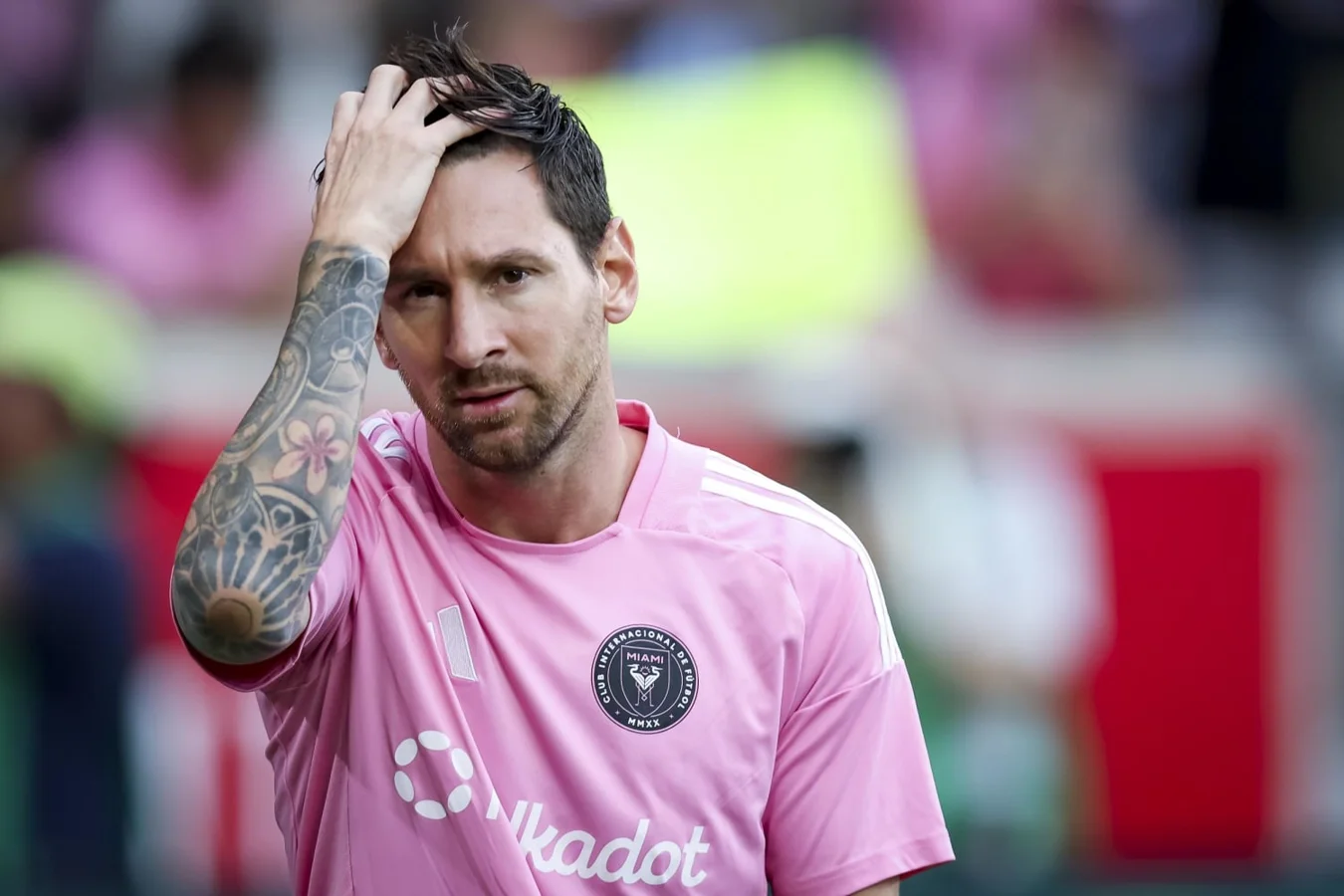
Despite this rationale, MLS commissioner Don Garber announced before the 2025 All-Star game that both players would face a one-game suspension under existing league policies for skipping the event. This decision reportedly caused frustration among the Inter Miami duo and their supporters.
Parallels Between MLS Disputes and MLB Salary Cap Tensions
Similar tensions in professional sports governance are apparent in MLB, where star outfielder Bryce Harper has expressed dissatisfaction with commissioner Rob Manfred. Harper’s frustration centers on Manfred’s efforts to introduce a salary cap, which remains a contentious issue, as MLB is the only major U.S. sports league without such a limit.
The players‘ union, MLBPA, opposes the salary cap because it restricts players’ earning potential, fueling ongoing disagreements with the league’s management. A recent tense exchange between Harper and Manfred took place in the Phillies’ clubhouse, but according to insider Jeff Passan, the confrontation ended without escalation as the two shook hands.
Despite this, no agreement has yet been reached, and the debate over player compensation and league financial controls continues without resolution.
Implications for League Player Relations and Future Ownership Models
The disputes involving Messi’s MLS All-Star absence and Curry’s comments on compensation underscore growing tensions between players and league officials over earnings and influence. Samson’s call for players to seek equity ownership like Tom Brady highlights an evolving model where athletes not only earn salaries but also hold stakes in their sports organizations, potentially shifting power dynamics.
Meanwhile, the resistance to salary caps in MLB and the strict penalties for missing high-profile events in MLS suggest that leagues are still grappling with balancing player welfare and commercial interests. How these conflicts resolve could impact future negotiations, player satisfaction, and the structure of sports ownership in the coming years.