
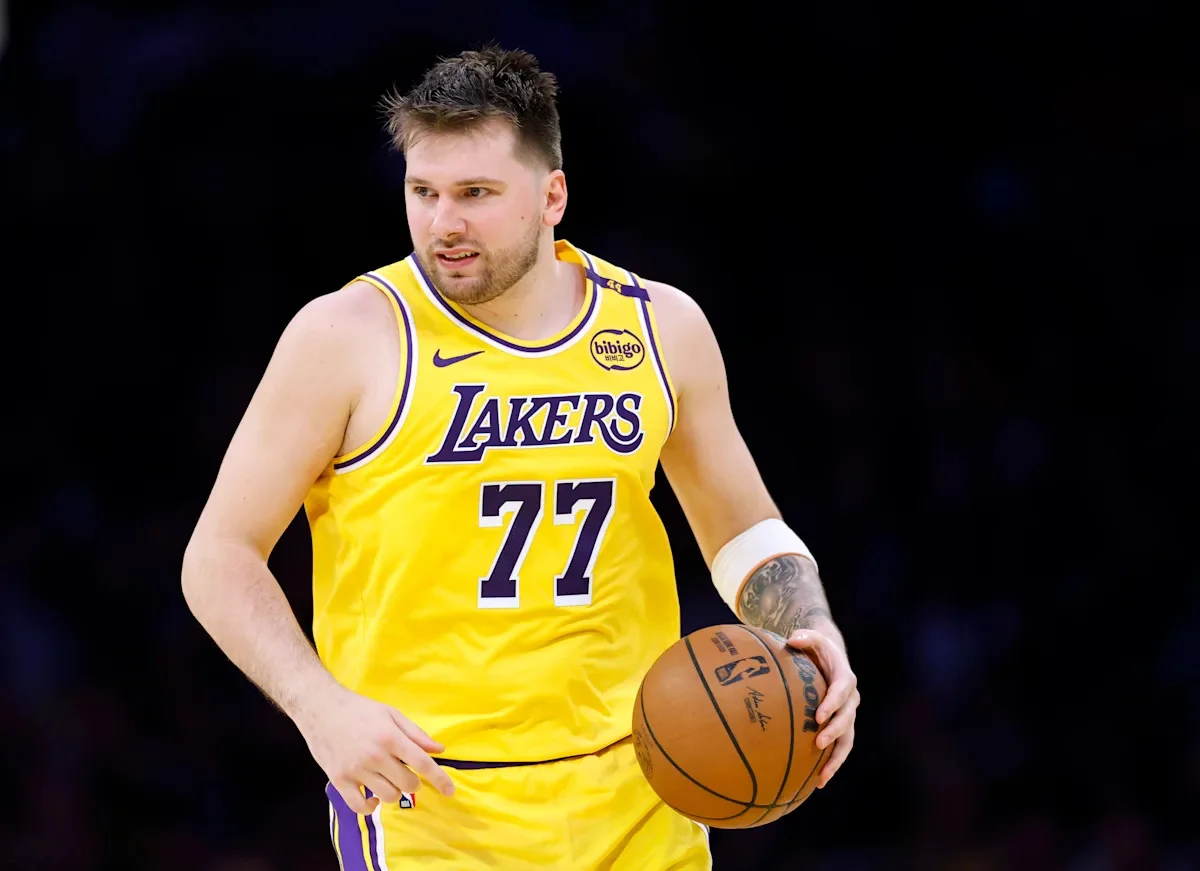

Men’s Health recently featured Los Angeles Lakers star Luka Doncic in an online article highlighting his physical transformation ahead of the 2025-26 NBA season, focusing on his efforts to improve conditioning. However, the piece contained a significant error concerning the Luka Doncic vertical leap error, falsely attributing a 42-inch vertical jump from the 2018 NBA Draft Combine to Doncic. This mistake has since been corrected after drawing widespread attention online.
Although Luka Doncic has been the subject of intense coverage, the original article mistakenly reported that he had recorded a 42-inch vertical leap at the 2018 combine—despite the fact that he never participated. This false statistic originated from confusion with other players’ combine data and has raised questions about source verification in the era of AI-assisted reporting.
How an AI Summary Led to the Vertical Leap Mix-Up
The error reportedly stemmed partially from automated content generated by a Google AI Overview summary, which incorrectly assigned Donte DiVincenzo’s vertical jump data to Doncic. A screenshot shared by Nick Angstadt, host of the LockedOnMavs podcast, revealed the AI stating that Doncic’s vertical leap was “officially measured at 42 inches.”
That men’s health article on Luka Doncic claims he had a 42-inch vertical at the combine… but Luka didn’t participate in the combine
It seems like the author just got that from the Google AI summary, which mistakes Donte Divincenzo’s vertical leap number for Luka’s. pic.twitter.com/2vLmGI2YvY
— Nick Angstadt (@NickVanExit) July 28, 2025
The conflation occurred because both Donte DiVincenzo and Josh Okogie shared the highest maximum vertical jump at the 2018 combine, each posting 42 inches. Meanwhile, Doncic was playing professionally in Europe at that time, never attending the NBA combine, and has no officially recorded vertical leap in public records. This fundamental fact seemingly went unchecked during the article’s editing process.
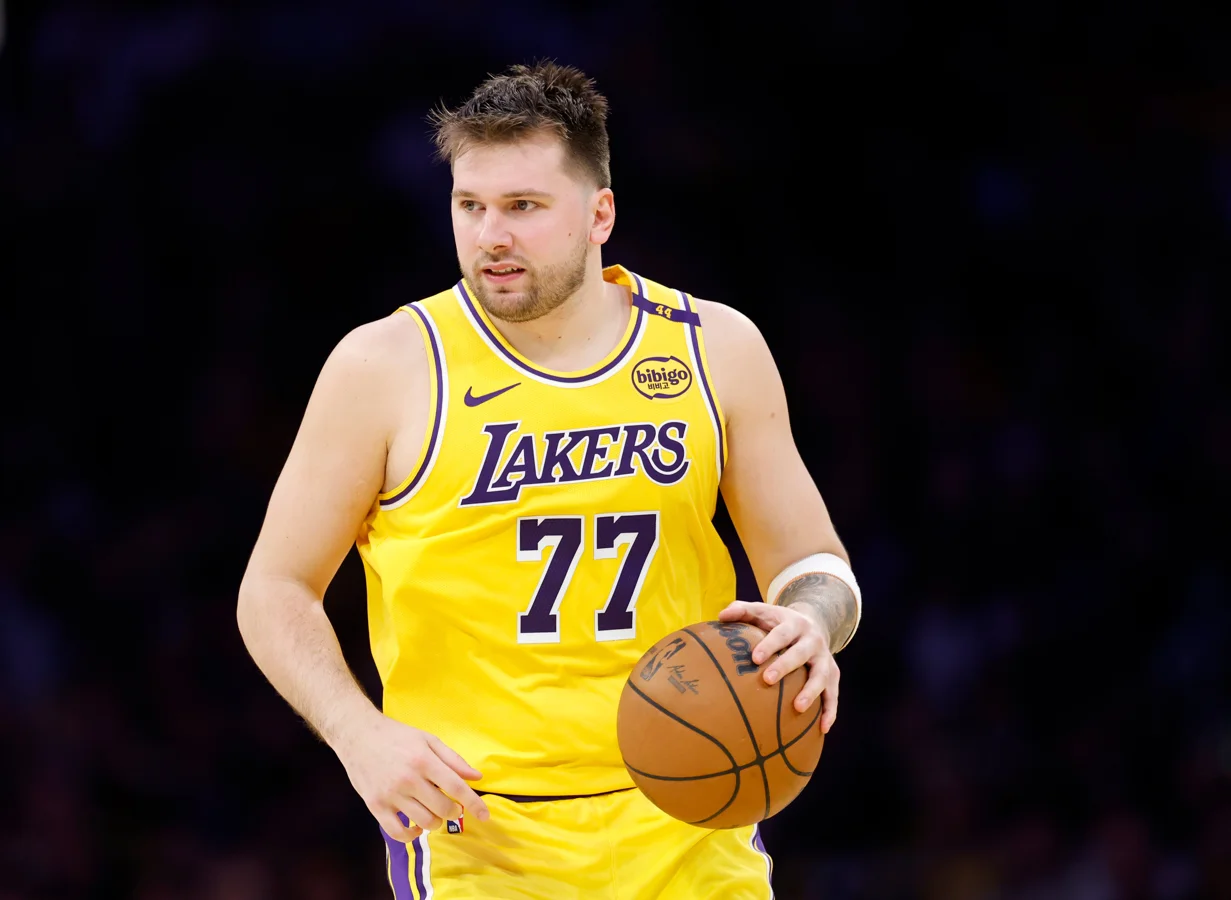
The mistaken figure underscores the growing challenge for writers and editors in verifying AI-generated summaries, as misinformation can be propagated easily if not scrutinized carefully.
Ongoing Discussions about Doncic’s Conditioning and Offseason Changes
Aside from the vertical leap error, the article also touched on a recurring critique concerning Luka Doncic’s fitness levels. Critics have frequently highlighted his inconsistent conditioning, often noting how he appears slimmer and more fit during the offseason but struggles to maintain that shape throughout the rigorous 82-game NBA season.
Social media users have commented on this visible offseason weight loss pattern, expressing frustration and disappointment as it seemingly fails to translate into sustained in-season performance.
Additionally, the trade of Doncic from the Dallas Mavericks to the Lakers—handled by former executive Nico Harrison in exchange for Anthony Davis, Max Christie, and a 2029 first-round pick—has been cited as a motivating factor behind Doncic’s recent physical overhaul.
Before the trade, Doncic faced harsh criticism for being out of shape, which was reiterated by Lakers head coach J.J. Redick after the season ended. Redick emphasized that the team needs to reach “championship shape,” underscoring the importance of Doncic’s transformation not just for personal improvement but for the team’s success.
Significance of the Men’s Health Mistake and What It Reflects
While on the surface the vertical leap confusion may seem like a minor error, it highlights larger issues in modern sports journalism, particularly the dependence on AI tools that can mislead if unchecked. The mix-up reflects the disconnect between automated data aggregation and the requirement for diligent human fact-checking.
For Luka Doncic, this error adds to the intense spotlight on his development as a player adjusting to a new team while striving to overcome previous conditioning criticisms. His physical progress in the offseason serves not only as a response to public scrutiny but also as a crucial element in his efforts to lead the Lakers toward a championship run.
The situation also signals a broader message about media accountability and the necessity for reliable information in an age where rapid content generation can sometimes compromise accuracy.