
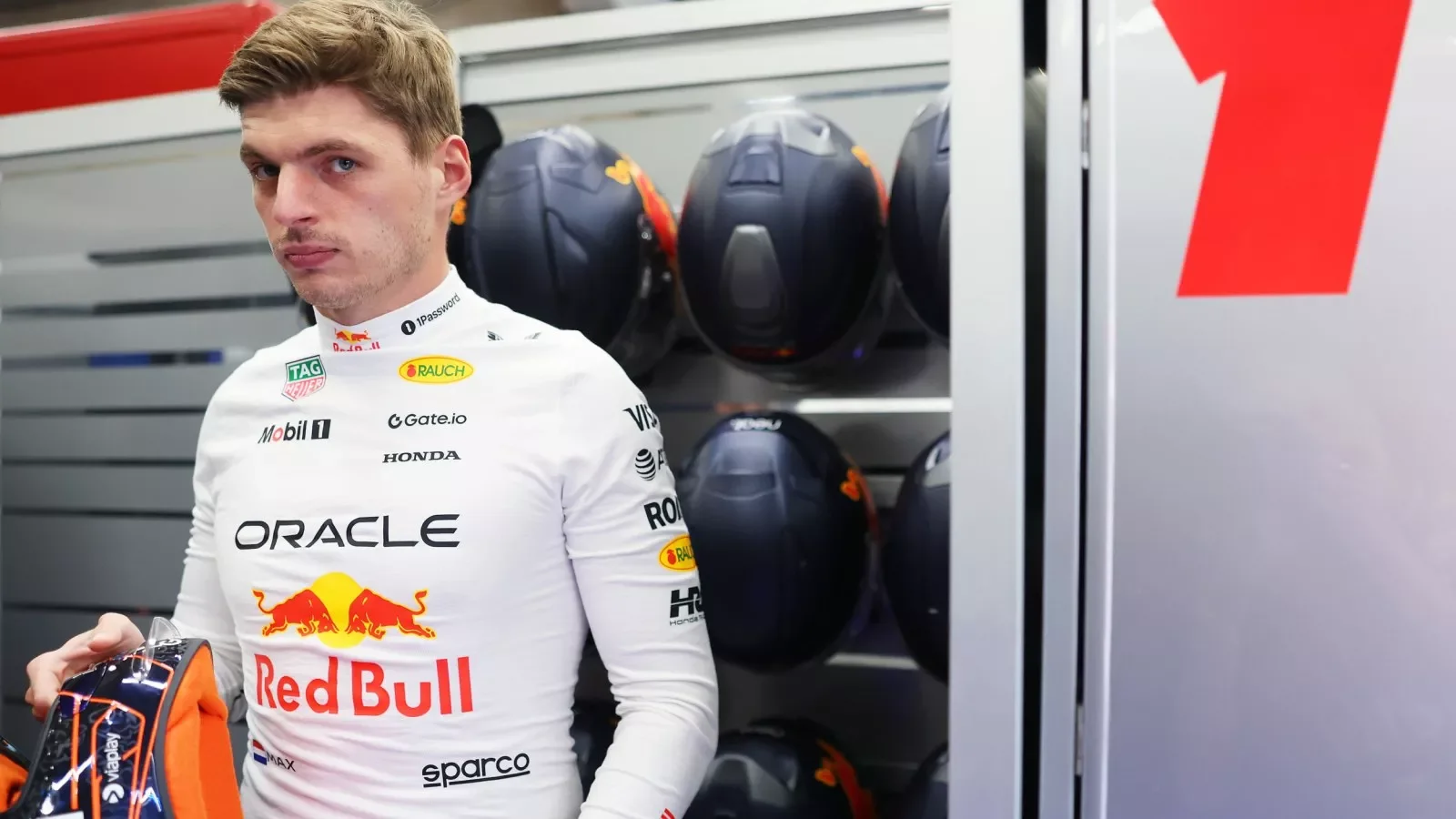

Max Verstappen has been at the heart of persistent rumors suggesting he might leave Red Bull as early as the 2026 season amid intense team politics. These rumors intensified following speculation that Verstappen demanded the dismissal of team principal Christian Horner, and though Horner has now been removed, the Dutch driver’s future remains a topic of heated debate. Adding to this intrigue is Verstappen’s alleged performance-related exit clause, which has expired, further complicating the narrative surrounding his potential departure.
While Verstappen has stayed largely silent about these rumors, former F1 driver Alexander Wurz has highlighted the complex political forces driving this uncertainty. According to Wurz, the swirling speculation about Verstappen’s future is fueled not only by genuine contract considerations but also by media-driven agendas that have destabilized Red Bull, creating confusion around what is fact and what is manufactured.
The Complex Political Layers Behind Verstappen’s Future
Alexander Wurz detailed how the various exit rumors involve multiple layers of behind-the-scenes politics and strategic maneuvering. He noted that regardless of who initiated the media speculation, the story quickly took on a life of its own, making it difficult to separate truth from deliberate misinformation. This volatile media environment, according to Wurz, has at times been used to influence public opinion or weaken rival teams amid an already tense atmosphere at Red Bull.
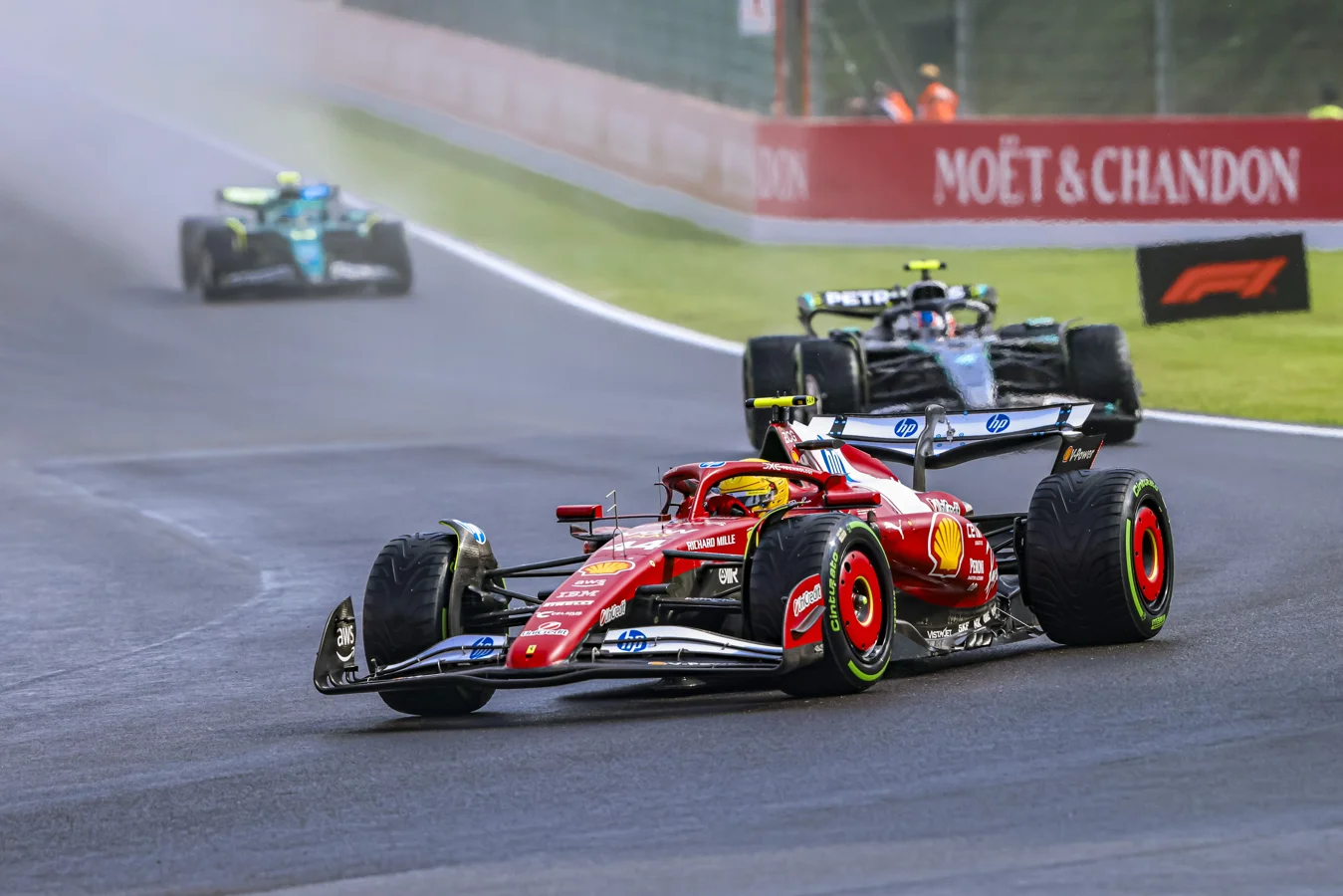
“I see there’s multiple layers of agendas and politics. To an extent that however or whoever started this media narrative, at one point it got an uncontrollable self-dynamic, hard to assess of what is the truth, or what is purposely put messages into the media to influence agenda, or at times destabilise other teams.”
—Alexander Wurz, former F1 driver
Despite the chaos surrounding these rumors, Wurz emphasized that such political intrigue is typical in Formula 1, where high stakes and fierce rivalries make the media especially prone to amplifying disputes for attention. Still, he acknowledged that while some claims might be exaggerated, they often contain kernels of truth, making it essential for fans and insiders to watch how these developments unfold.
“That’s normal in F1. We are playing on the high stakes. Racing politics is happening by the media, but certainly there must be something to it. It will be interesting how it plays out.”
—Alexander Wurz, former F1 driver
Behind the Scenes: Discussions Between Verstappen and Mercedes
Max Verstappen’s unwillingness to publicly dismiss the exit rumors has raised suspicions about ongoing talks with rival teams, with Mercedes being the most notable contender. Wurz revealed that conversations between Verstappen and Mercedes representatives did take place, indicating a genuine exploration of possibilities for Verstappen’s career beyond Red Bull, potentially starting with the 2026 season.
These discussions are said to be standard procedure when a top driver navigates contract negotiations, often without any immediate intention to switch teams. Wurz expressed confidence in the authenticity of these talks and emphasized that it’s common practice for drivers to explore their options quietly before making decisive moves.
“I think that the parties have talked to each other, Max and Mercedes. I think any team would have to talk to Max. This, in my opinion, [is] hundred percent true. Exploration of options in the contract situation, also [a] normal practice in Formula 1.”
—Alexander Wurz, former F1 driver
The timing of Verstappen’s visit to Sardinia, coinciding with Mercedes boss Toto Wolff’s presence there, further fueled the speculation about possible negotiations, reinforcing the notion that Mercedes remains a top contender should Verstappen decide to leave Red Bull.
Red Bull’s Strategic Moves and Verstappen’s Potential Next Steps
Following Christian Horner’s firing, many signs indicate that Red Bull is now more responsive to Verstappen’s preferences and suggestions, suggesting efforts to retain their reigning world champion. Moreover, Verstappen’s performance exit clause, which might have allowed him to leave if he was not performing well, is no longer applicable since he is firmly positioned third in the drivers’ championship standings.
These factors combined make Verstappen’s exit less likely in the near term, though the final outcome remains uncertain given the complex interplay of contractual, political, and media dynamics. With 11 races remaining in the season, how Verstappen and Red Bull manage this tension will be crucial for both the driver’s legacy and the team’s future stability.
In this context, the persistence of Max Verstappen exit rumors politics demonstrates how intertwined sporting decisions and off-track maneuvering have become in Formula 1, reflecting the pressure-cooker environment in which the world’s elite drivers operate.