
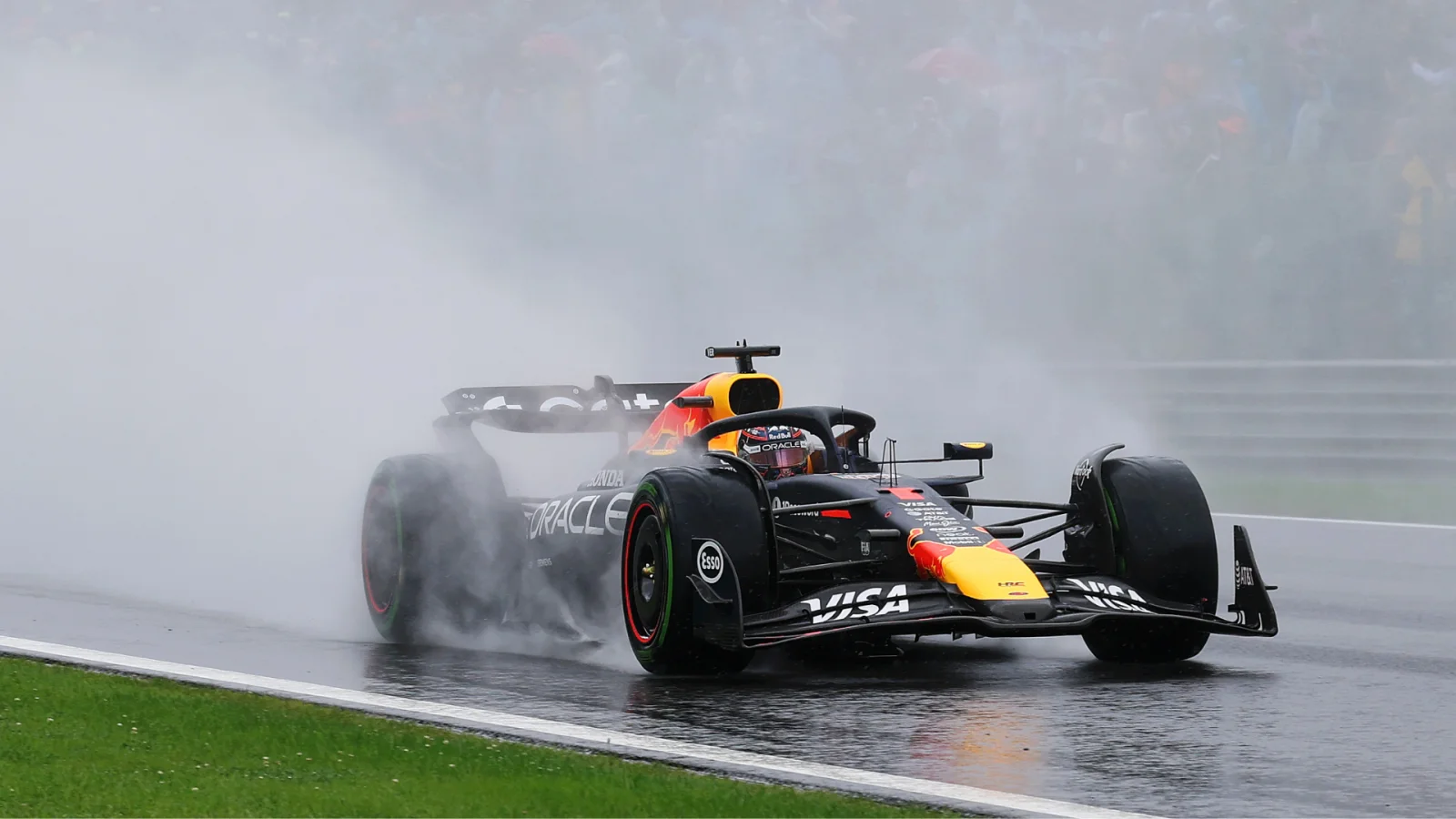

Max Verstappen, the outspoken Dutch Formula 1 driver, has sparked intense debate by expressing concern that traditional wet races may soon disappear from the sport. His comments followed the recent disruption at the Belgian Grand Prix, where an 80-minute delay occurred due to hazardous weather, with only a fraction of the race completed before conditions allowed for a switch to dry tires.
Challenges Modern F1 Cars Face in Heavy Rain
Verstappen’s worries focus on how current F1 vehicles struggle to maintain safety in heavy rain. The excessive spray produced by these cars severely reduces visibility for drivers, while the performance of full-wet tires is compromised, leading to poor traction on slick surfaces. These factors make racing in severe weather such as that found on circuits like Spa-Francorchamps highly dangerous.
Tensions Rise Over Race Management at Belgian Grand Prix
The driver also voiced frustration with the handling of the Belgian Grand Prix itself, believing the race could have started on time despite challenging conditions. His critique aligns with many voices within the Formula 1 community who disapproved of the lengthy delay, arguing it diminished the excitement and momentum of the event.
Implications for the Future of Wet Weather Racing in F1
This situation has ignited a broader discussion about whether the adrenaline and unpredictability of wet races can coexist with the increasing emphasis on driver safety. Verstappen’s concerns highlight a growing tension between preserving thrilling race experiences and adapting to the limitations imposed by modern car design and safety protocols. How Formula 1 reconciles these competing priorities will shape the sport’s approach to weather-affected events in the coming years.