
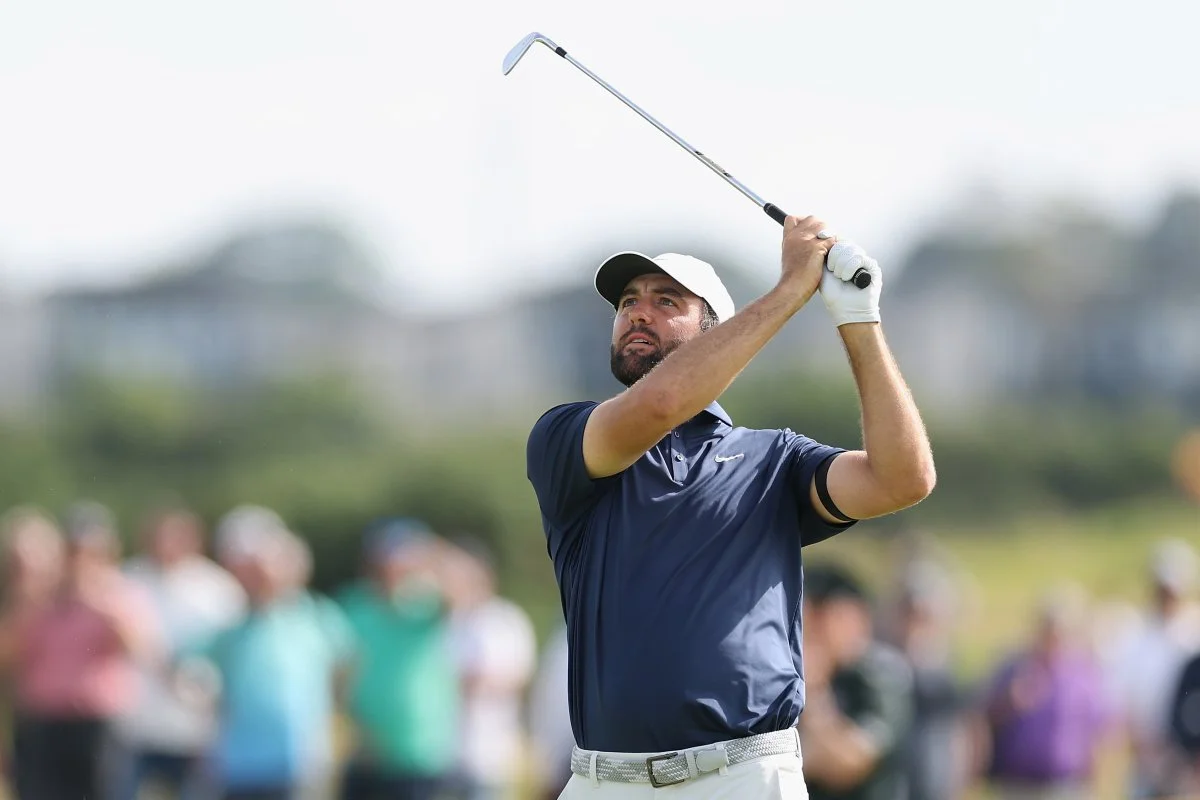

Scottie Scheffler, currently the world’s No. 1 golfer, recently made headlines with a candid statement about his priorities ahead of The Open Championship at Royal Portrush in Northern Ireland. Scheffler emphasized that golf, while important, is not the most critical part of his life. Instead, he places being a great father above his professional accomplishments in golf. His introspective comments struck a chord across the sports world.
At a pre-tournament press conference, Scheffler stated,
“This is not the be all, end all. This is not the most important thing in my life,”
further adding,
“That’s why I wrestle with, why is this so important to me? Because I’d much rather be a great father than I would be a great golfer. At the end of the day, that’s what’s more important to me.”
These remarks sparked a broad response among athletes, commentators, and fans. Many applauded the perspective, suggesting that Scheffler’s grounded approach to life might have contributed to his success, as he went on to win The Open Championship in a historic fashion. However, some voices, including sportscaster Skip Bayless, challenged this viewpoint, urging Scheffler to focus fully on golf, interpreting his talent as a calling that should take precedence over his family commitments for the time being.
Tom Brady Offers a Different Perspective on Balancing Family and Career
Tom Brady, legendary NFL quarterback turned commentator, responded to Scheffler’s stance with a nuanced disagreement. While not as extreme in his critique as Bayless, Brady questioned the idea that excelling in sports and being dedicated to family are mutually exclusive goals. Writing in his weekly newsletter, Brady posed the question,
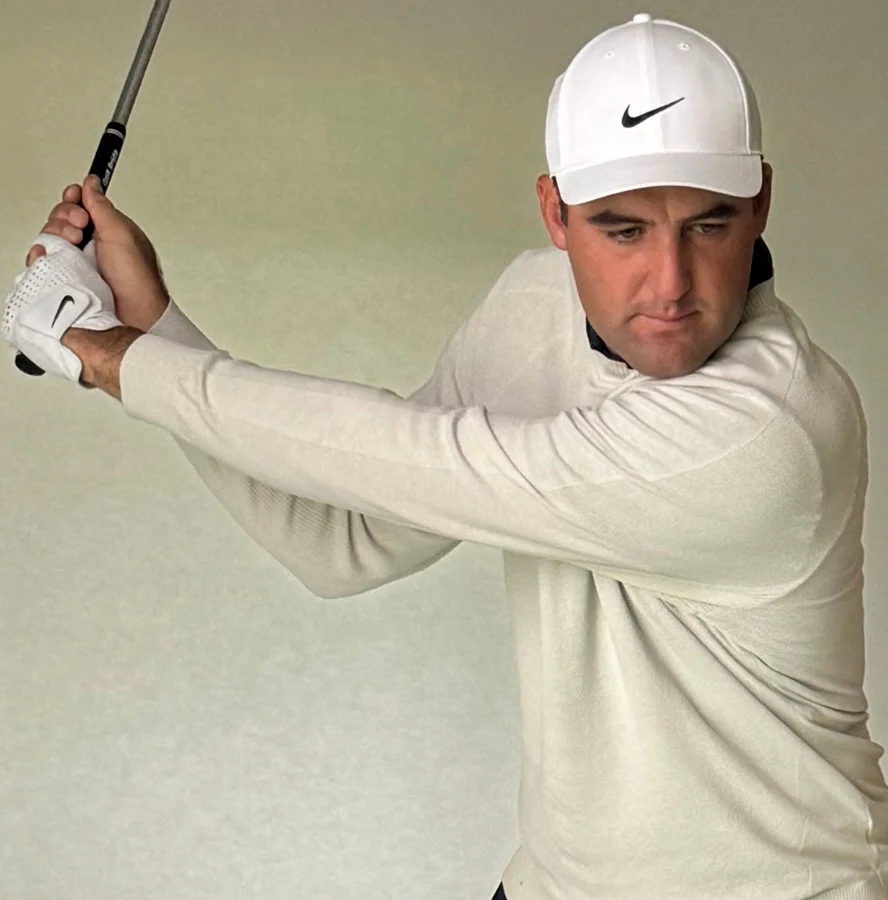
“Scottie said he’d rather be a better father and husband than a good golfer. And my question is: why are those mutually exclusive?”
He explained,
“Sure, they’re different blocks on the pyramid, but they’re part of the same pyramid. They’re connected!”
Brady elaborated on how his own commitment to football served as an example for his children, teaching them lessons about dedication, perseverance, and teamwork. He believes his intense focus and effort in his profession demonstrated what it takes to be successful and responsible in life.
He further detailed,
“My dedication to the sport, the hours of practice, the moments when I was laser-focused — those were times when I believe I was doing the best possible thing for my family and my kids, by prioritizing my profession and teaching, by example, what it takes to be really good at your job, what it takes to follow through on commitments, what it takes to be a great teammate; and showing them, also by example, that work is a big part of all our lives.”
Brady highlighted that parenting encompasses more than traditional caregiving, stating,
“… Reading bedtime stories and helping them with homework are not the only ways to be a great parent. And neither is winning Super Bowls or MVPs. Being a great football player didn’t make me a great dad but how I became a great player certainly had an impact — from showing up day in and day out, to doing whatever it took to get better, be successful, be a role model and to provide.”
Differences in Life and Career Paths Shape Their Views
The divergence between Brady and Scheffler’s beliefs underscores that there is no singular approach to achieving greatness, whether in sports or parenting. Their contrasting life experiences and personal motivations contribute heavily to their perspectives on balancing professional success with family commitments.
Scheffler presents a quieter, more low-key image, away from the high-profile celebrity spotlight that defined much of Brady’s career. The golfer is not known for media flamboyance or celebrity ventures, often appearing in casual settings like Chipotle, a sharp contrast to Brady’s extensive media presence and varied business interests following his retirement from football.
Brady’s personal history, including his divorce from supermodel Gisele Bündchen, may have influenced his views on work-life balance. Reports suggested Bündchen was weary of Brady’s continued pursuit of professional football later in life, a dynamic not shared by Scheffler, who is married to a less public figure. This difference potentially adds complexity to how each manages family versus career priorities.
Since retiring, Brady has remained active as the top color analyst for NFL on FOX as well as an entrepreneur involved in numerous ventures. It’s unlikely Scheffler will follow a similar post-career path, given their differing interests and personalities.
The Broader Conversation About Family, Success, and Role Models
The debate between Brady and Scheffler highlights a deeper conversation in sports and society about defining success and the role parents play in modeling values to their children. Scheffler’s openness about valuing fatherhood above career achievement challenges traditional ideas of athletic dedication, while Brady’s view emphasizes how professional ambition and family responsibilities can coexist and even complement each other.
As both athletes continue to influence their fields and families, their distinct approaches offer valuable insights for those striving to balance demanding careers with being present at home. The dialogue serves as a reminder that paths to excellence and parenting are diverse, shaped by individual circumstances, ambitions, and priorities.