
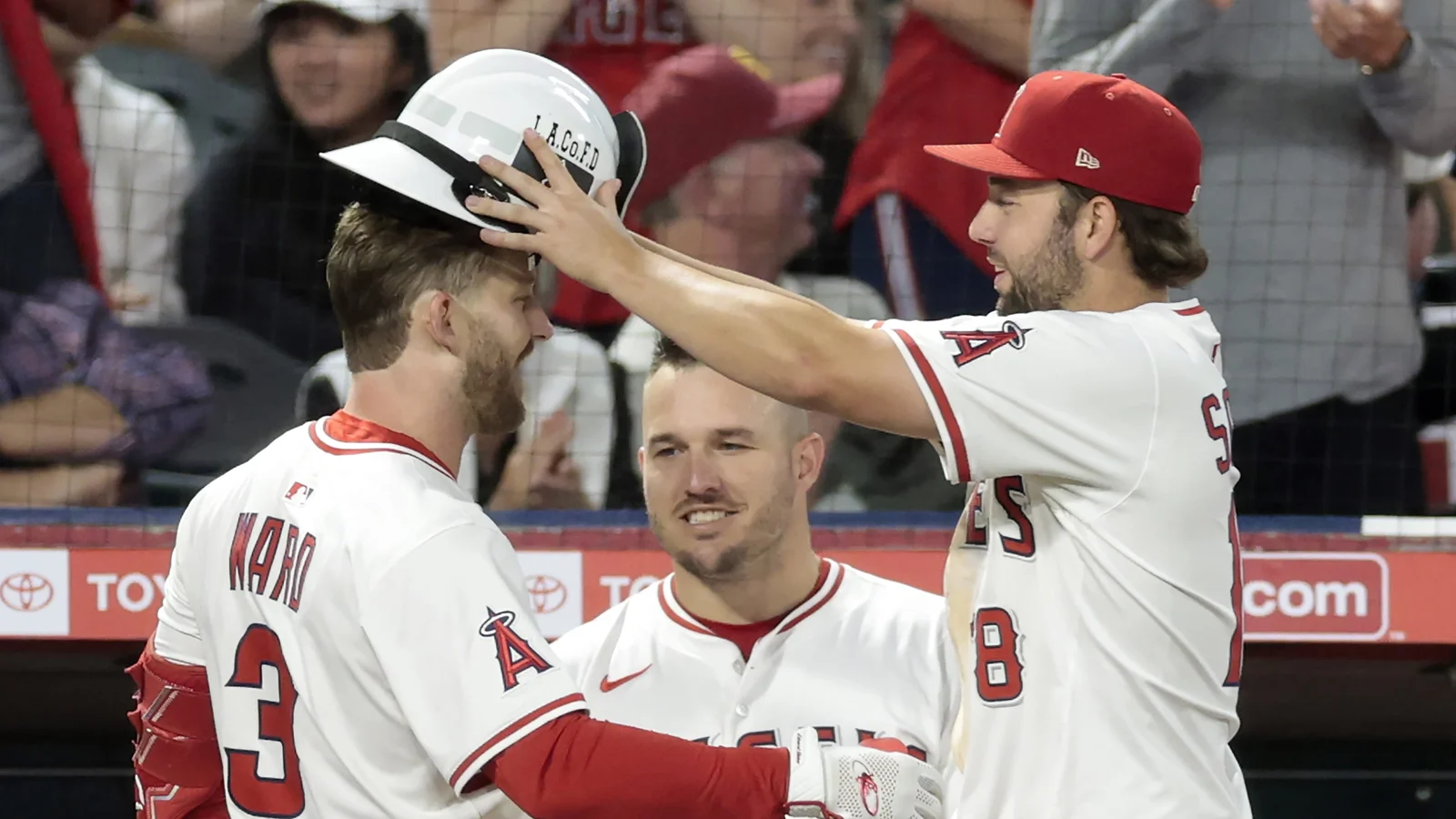

As the 2025 MLB trade season advances, the focus shifts to Taylor Ward, the Los Angeles Angels’ power-hitting outfielder whose trade value could be significant given the current market. With controllable talent in short supply this year, teams interested in strengthening their lineup might see Ward as a valuable complementary bat. Understanding his ongoing performance and contract situation is essential to gauging what the Angels might receive in return.
Analyzing Taylor Ward’s Recent Performance and Power Evolution
Taylor Ward, now 31, emerged later than many as a noteworthy MLB contributor, with his breakout season arriving in 2022 when he recorded a .281 batting average with 23 home runs and a 136 weighted runs created plus (wRC+). Since then, Ward has demonstrated solid, consistent production, boasting wRC+ marks of 108 in 2023, 112 in 2024, and 117 through the current season. His walk rate has hovered just under 10% during these years, indicating a disciplined approach, although his batting average has dipped slightly which has been offset by gains in power.
This ongoing season highlights Ward’s best display of power to date. His isolated power (ISO) sits at .259, well above his previous highest of .192, and he has already matched his career-best total with 25 home runs. Despite these impressive numbers, his underlying metrics such as average exit velocity, launch angle, and barrel percentage remain remarkably consistent with previous years. The key distinction: Ward is capitalizing more effectively on mistake pitches.
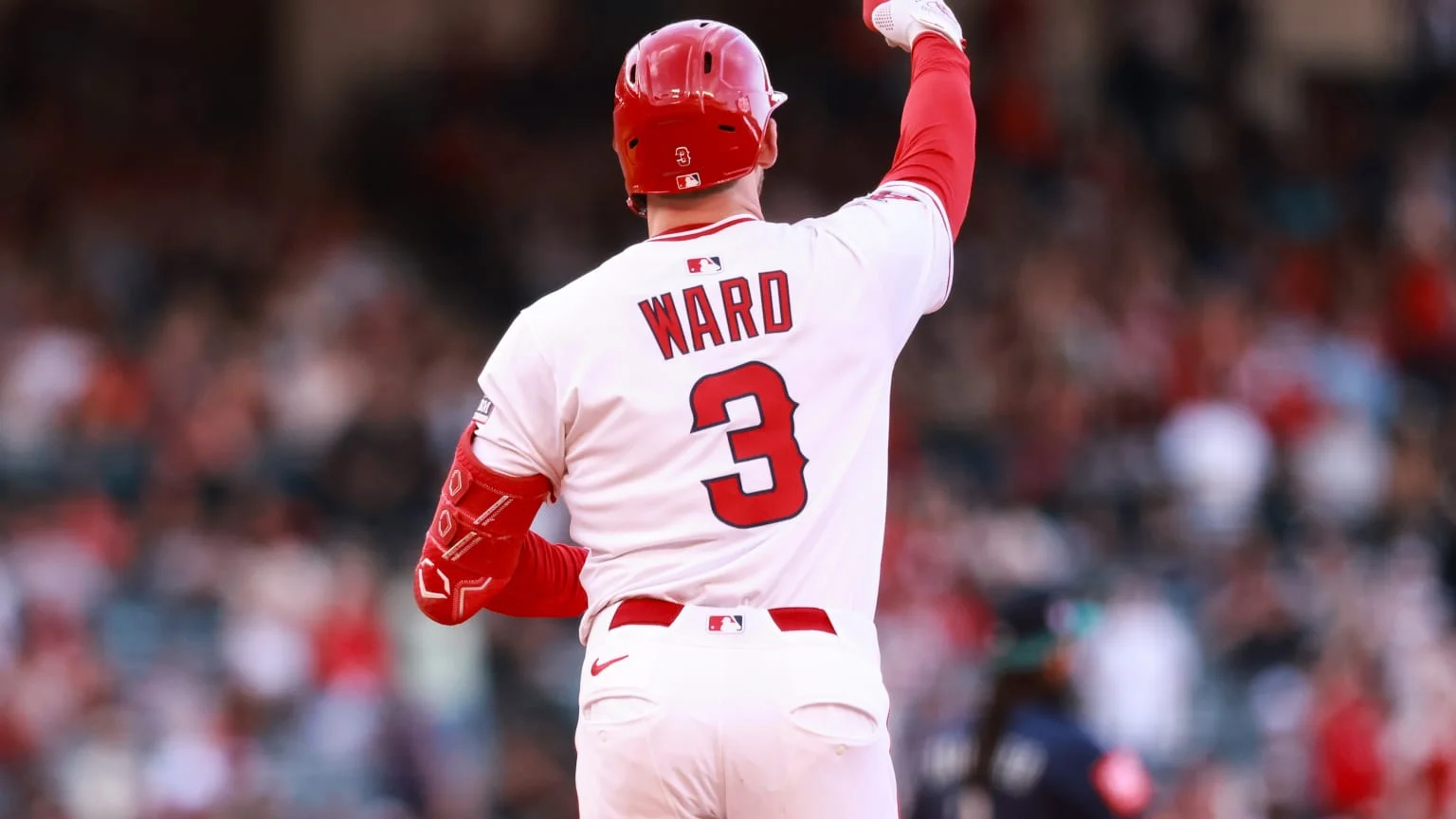
For instance, the number of middle-middle pitches he has turned into home runs has surged in 2025. In just 105 games, he has hit 11 balls to this ideal zone, matching the total from his prior two seasons combined. His slugging percentage on middle-middle pitches is 1.109 this year, compared to .635 and .610 in the two preceding seasons, respectively. This ability to punish poorly located pitches plays a crucial role in Ward’s power numbers and makes him a reliable source of extra-base hits when given good pitches to attack.
While Ward is not a pure slugger and experiences typical swing-and-miss challenges, his above-average walk rate and power output position him as a valuable complementary power hitter. He consistently demolishes left-handed pitching and maintains solid performance against righties, making him a versatile addition to any lineup seeking middle-of-the-order pop.
Contract Details and Implications for Ward’s Trade Value
Evaluating Taylor Ward’s trade value requires more than performance metrics; his contract status is a vital consideration. Ward is currently signed for $7.825 million through the 2025 season and retains one year of arbitration eligibility beyond that. If his power surge continues, the cost for the following season could rise to over $10 million, reflecting his increasing market value.
Although acquiring teams might consider signing Ward and then allowing him to test free agency at age 32, there is a strong possibility he will seek an extension following this standout power season. Unlike many players in their final arbitration year, Ward’s age and recent performance could strengthen his bargaining position, making a multi-year deal with a new team feasible and attractive.
This contractual situation could entice small-market teams to engage in the bidding. For example, the Cincinnati Reds might view Ward as a target to secure through a multi-year contract, benefiting from the relative certainty that comes with locking down his services rather than risking free agency. This scenario may ultimately increase competition and push up the return for the Angels.
Potential Trade Partners and Strategic Fit for Interested Teams
Predicting exactly how the Angels will approach trading Ward is challenging, as management decisions have often been unpredictable. However, given the team’s current trajectory and needs, focusing on acquiring pitching prospects seems sensible. The Angels’ rotation shows uncertainty beyond mainstays like Yusei Kikuchi and Jose Soriano, and adding pitching depth remains a priority.
Several MLB teams appear well-positioned to pursue Ward. The Houston Astros, Seattle Mariners, Toronto Blue Jays, San Diego Padres, Philadelphia Phillies, Cincinnati Reds, Texas Rangers, and San Francisco Giants are all potential contenders interested in adding power to their lineup. Wading through varying degrees of prospect pool strength, some teams like Houston might consider a one-shot deal despite a less robust farm system, while the Blue Jays could look to complement their outfield by pairing Ward with players like Daulton Varsho and Anthony Santander.
In trade discussions, the Angels might be willing to accept some injury risk to improve their farm. For example, Toronto’s package could include Luis Rengifo and prospects such as Ricky Tiedemann, whose health status is uncertain. This willingness to accommodate risk indicates a strategic balance between seeking immediate rotation help and developing longer-term assets.
Overall, the Angels are expected to maintain a veneer of competitiveness as long as franchise icons like Mike Trout remain active. The front office appears interested in adding young MLB-ready talent or near-MLB prospects to support this goal, making Ward a likely centerpiece in packages aimed at advancing the rebuilding effort.
Evaluating the Broader Impact of a Ward Trade on the Angels’ Future
Recent rumors suggest the Angels may be preparing to sell off assets this season, and Taylor Ward represents their most valuable trading chip. Securing two prospects who rank in the lower portion of their organizational top 10 would mark a worthwhile haul in return. Although addressing areas like third base remains an unresolved challenge, prioritizing farm system enhancement via a Ward trade aligns with logical long-term planning.
The trajectory toward a more competitive Angels roster in the coming years seems achievable through a combination of wise prospect acquisition and strategic free agent signings. Moving Ward could be a critical step in replenishing the team’s foundation with young talent, which is paramount to reversing nearly a decade of losing seasons. While the organization may continue to make headline free agent moves, leveraging Ward’s value in a trade could help lay the groundwork for sustained success.