
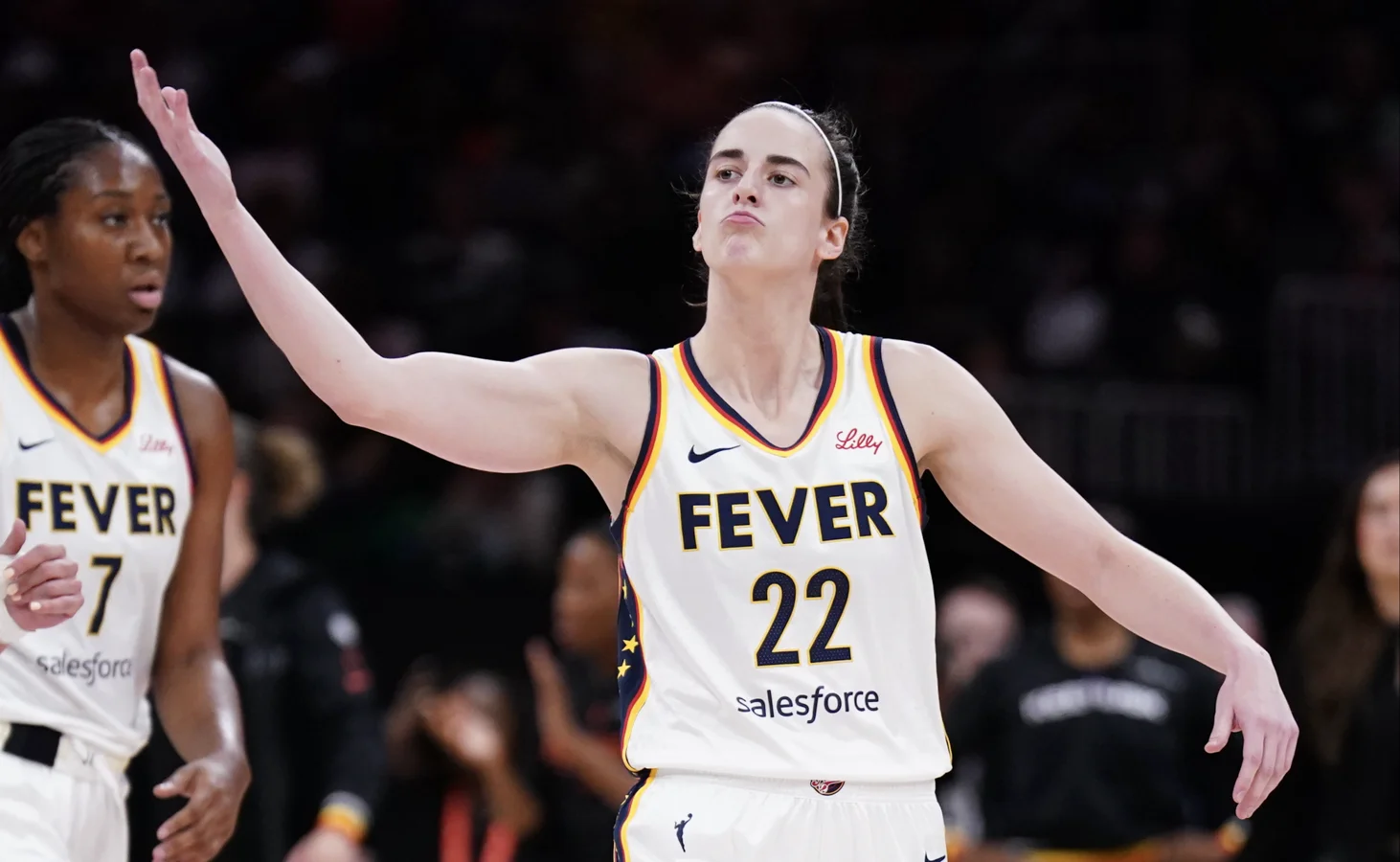

Indiana Fever forward Aliyah Boston discussed the challenges her team faces without star guard Caitlin Clark, who has been sidelined by injury throughout much of the current WNBA season. Clark’s absence has forced the Fever to adjust their playing style as they try to maintain their position in the playoff race amid shifting dynamics on the court.
Clark, dealing with a right groin injury, has missed 13 of the Fever’s 26 games so far, limiting the team’s offensive options and spacing. Despite this, the Fever currently hold sixth place overall and third in the Eastern Conference, but the uncertainty surrounding Clark’s return continues to weigh on the team’s outlook.
Adjusting Team Dynamics Without Clark on the Floor
During the initial episode of the Post Move podcast, hosted by Boston alongside former WNBA champion Candace Parker, Boston shed light on how Clark’s absence affects the Fever’s gameplay. When Clark is on the court, her ability to stretch defenses and create space is a major asset.
“When you have Caitlin on the floor, everything is automatically spaced… defenses are heightened because when she comes across half court, you can set an early drag, and there’s a deep three going up, and there’s a great chance she’s making it…” —Jess, Social Media Commentator
When Parker inquired about the difference between playing with and without Clark, Boston explained that Clark’s presence commands defensive attention, allowing teammates to exploit open opportunities. Without her, the team must be more deliberate in utilizing other players to spread the floor.
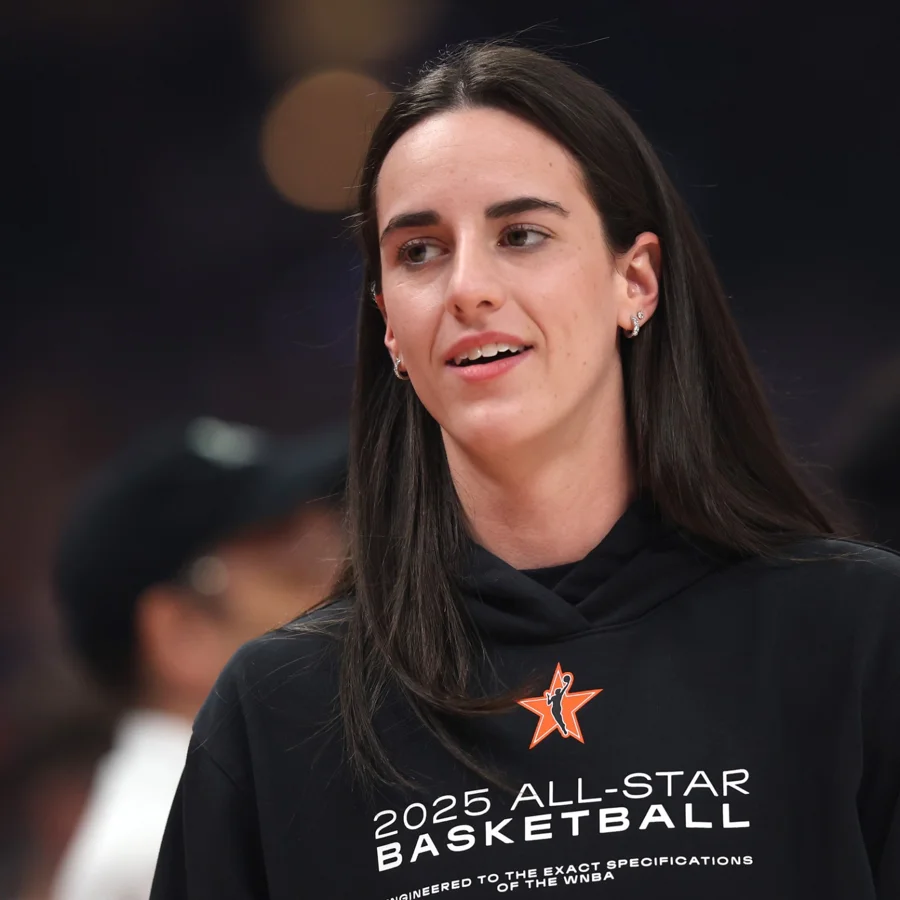
Boston continued,
“With CC not on the floor, it can shrink it a little bit. But I think for us it’s about making sure we get to that second side, that third side. Because when you have Kelsey [Mitchell] coming downhill with that left hand, and then you have Sophie Cunningham and Lexie [Hull] on the wing being able to spray and knock down for three, it opens up the entire floor.”
Contributions from Other Key Players Amid Pressure
Clark’s injury has undoubtedly affected the Fever’s shooting rhythm, but veteran guard Kelsey Mitchell has risen to the occasion, averaging 20.2 points per game in Clark’s absence. Alongside Mitchell, Sophie Cunningham has been a reliable scoring threat from beyond the arc, providing much-needed perimeter shooting.
“Obviously, that works for the post because they’re gonna be afraid to double, they’re gonna be afraid to dig too much because you have shooters all around the perimeter,”
Boston explained.
“So it definitely shrinks a little bit, but I think we’ve just figured out different ways to score the ball.”
Boston’s comments highlight the team’s effort to adapt offensively by relying on strong perimeter shooting and by opening lanes through thoughtful spacing, despite the restrictions created by Clark’s injury.
Maintaining Focus and Playoff Ambitions Amid Uncertainty
Boston emphasized the importance of consistency and discipline as Indiana Fever face tough competition while managing the absence of their star player. She encouraged the team to approach each opponent with the same level of intensity and to execute their roles effectively to improve their chances of success.
The Fever remain in contention for a playoff spot, but there is no concrete timeline for Clark’s comeback. She has missed the last four games following the WNBA All-Star Weekend, hosted recently in Indianapolis, fueling speculation regarding the team’s plans at the approaching trade deadline. Rumors mention a potential acquisition of Dallas Wings’ forward Myisha Hines-Allen to bolster the roster.
As Indiana navigates this difficult stretch, the team’s capacity to adjust to the Caitlin Clark absence impact will be critical in determining whether they can sustain their playoff hopes. How the Fever manage their offensive schemes and the possible reinforcements will likely shape the remainder of their season.