
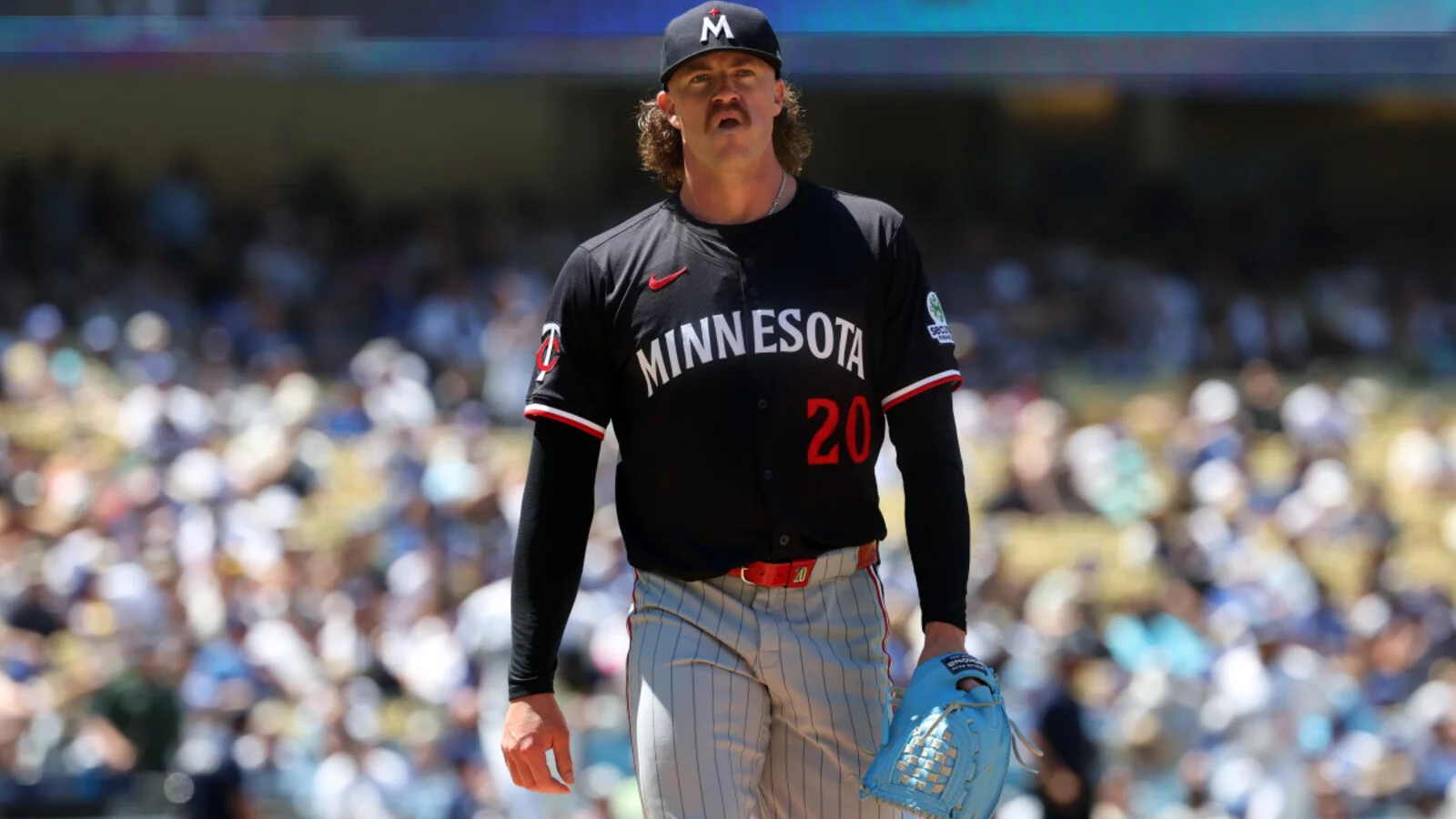

The Minnesota Twins made a surprising trade during the deadline period by sending pitcher Chris Paddack to the Detroit Tigers in exchange for catching prospect Enrique Jiménez. Although Paddack has struggled on the mound this season, posting a 4.95 ERA overall and an even more concerning 6.04 ERA since June 1, the deal initially seemed a routine deadline transaction involving a struggling pitcher for a promising but unproven prospect.
Multiple Team Interest Fails to Generate Competitive Offers
Reports soon surfaced that other teams, including the Tampa Bay Rays and New York Yankees, had also expressed interest in acquiring Paddack. Typically, such competition would provide the Twins with leverage to secure better returns, allowing them to negotiate and potentially drive up the price for their departing pitcher. However, the Twins’ front office seemingly did not capitalize on this opportunity, missing a chance to maximize value from the trade.
Inclusion of Randy Dobnak Shifts Trade Dynamics
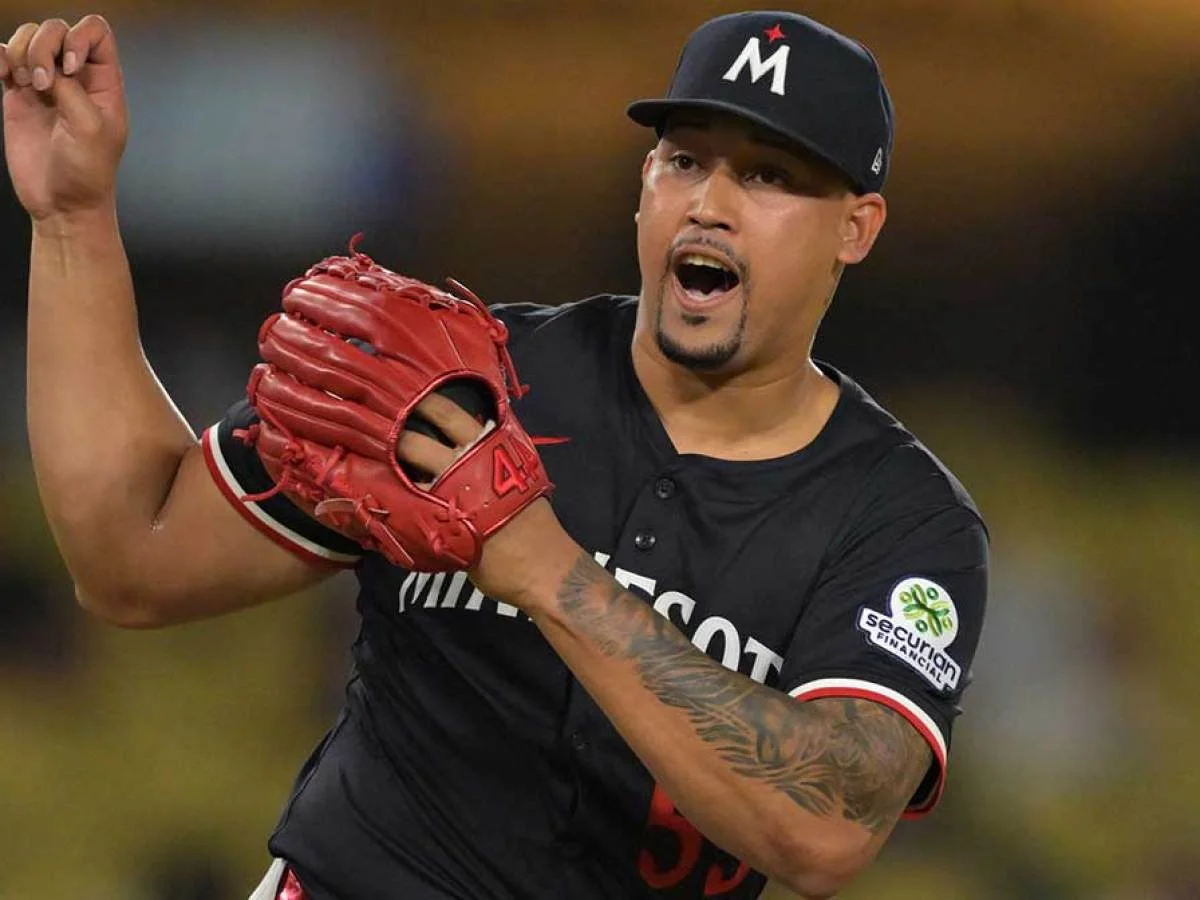
The trade took a different turn when it was revealed that Randy Dobnak was part of the package heading to Detroit. Dobnak, who has alternated between the majors and Triple-A St. Paul over recent seasons, has struggled significantly this year, recording a 7.57 ERA with the Saints. Additionally, Dobnak carries a $3 million salary this season, with the Twins still obligated to cover about $1 million for the remainder of the season plus a $1 million contract buyout. This financial burden adds little value to a team competing in a playoff race, making his inclusion particularly notable.
Financial Motives Drive the Twins’ Trade Decisions
The presence of Dobnak in the deal reveals a deeper motivation behind the trade: cost reduction rather than acquiring the best possible prospect. It appears that teams like the Rays and Yankees were reluctant to take on Dobnak’s contract along with Paddack’s remaining salary, whereas the Tigers were willing to absorb that financial weight. By accepting a less favorable prospect like Jiménez, the Twins opted for a cheaper trade that prioritized shedding salary over securing a higher-quality return.
Prospect Enrique Jiménez Offers Minimal Immediate Impact
Though not without potential, Enrique Jiménez remains a long-term, speculative addition. As a switch-hitting catching prospect currently playing in rookie ball, he is considered a lottery ticket type of player. While Jiménez might develop into a useful asset, his presence alone does not justify the trade when the Twins had leverage to negotiate better prospects—especially since their motivation centered largely on financial relief.
Management’s Financial Priorities Spark Fan Frustration
Fans and analysts alike have expressed disappointment in the Twins’ handling of this trade. The Pohlad family, which owns the team, appears focused on cutting payroll rather than reinvesting in talent, having reduced spending in recent years. With a potential sale looming, financial prudence seems to take precedence over competitive improvement. This shift in focus worries supporters about the team’s future direction at a crucial point in the season.
Concerns Over the Twins’ Future Trade Strategies
This deal raises uneasy questions about upcoming moves by the Twins’ front office. If prioritizing payroll reduction over optimal player returns becomes standard practice, fans can expect more trades that subvert baseball value in favor of cost savings. The possibility of attaching expensive contracts to players simply to offload salaries, sacrificing better prospects, threatens the team’s competitiveness and long-term success.
Uncertain Outlook but Potential for Jiménez to Surprise
While initial reactions are bleak, there remains a chance that Jiménez could develop positively in the coming years, causing this trade to be reassessed more kindly. However, at present, the frustration with the front office’s constrained approach is palpable. It appears that the Twins could have negotiated better, but financial priorities have overridden baseball considerations, dimming optimism for immediate team improvements.