
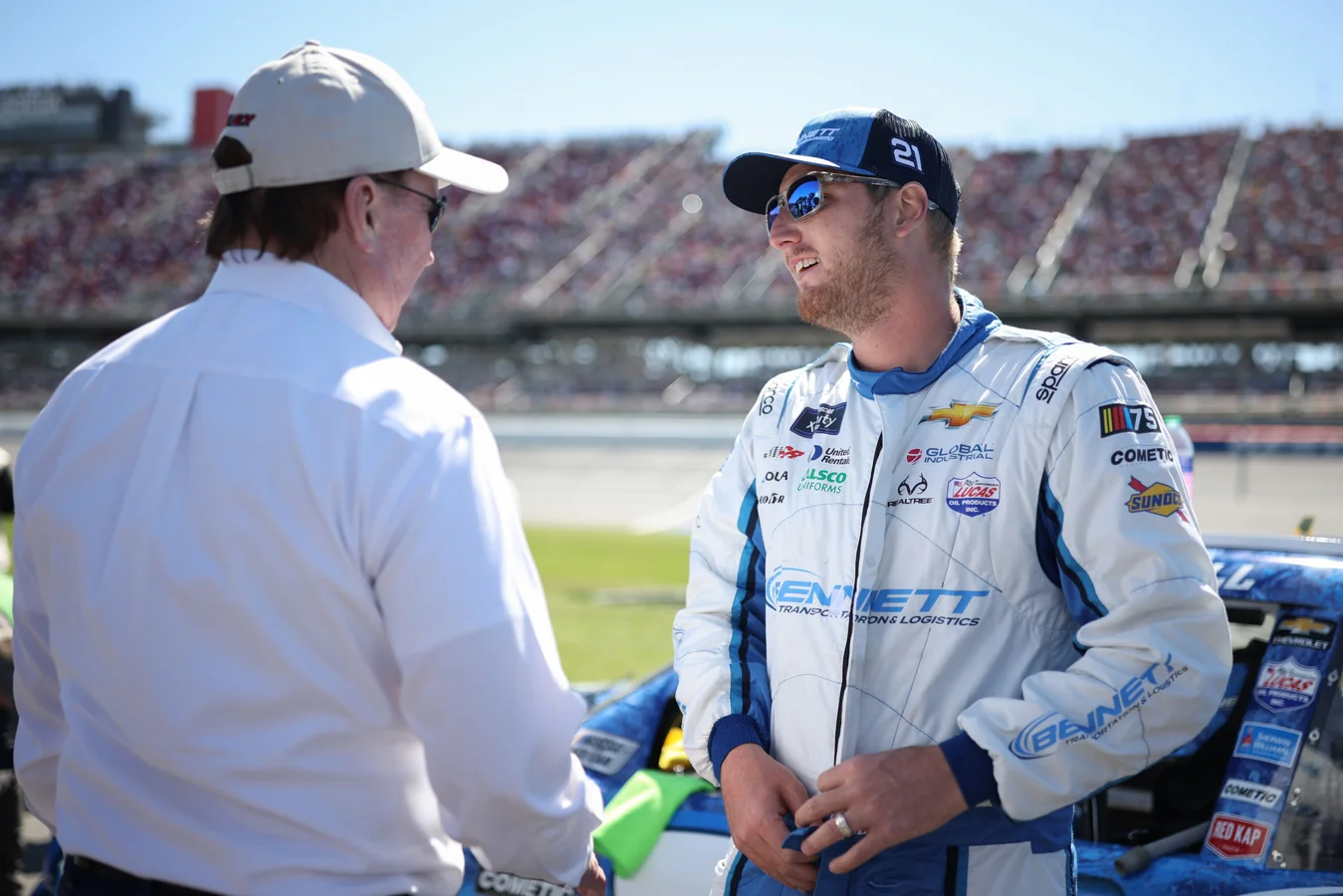

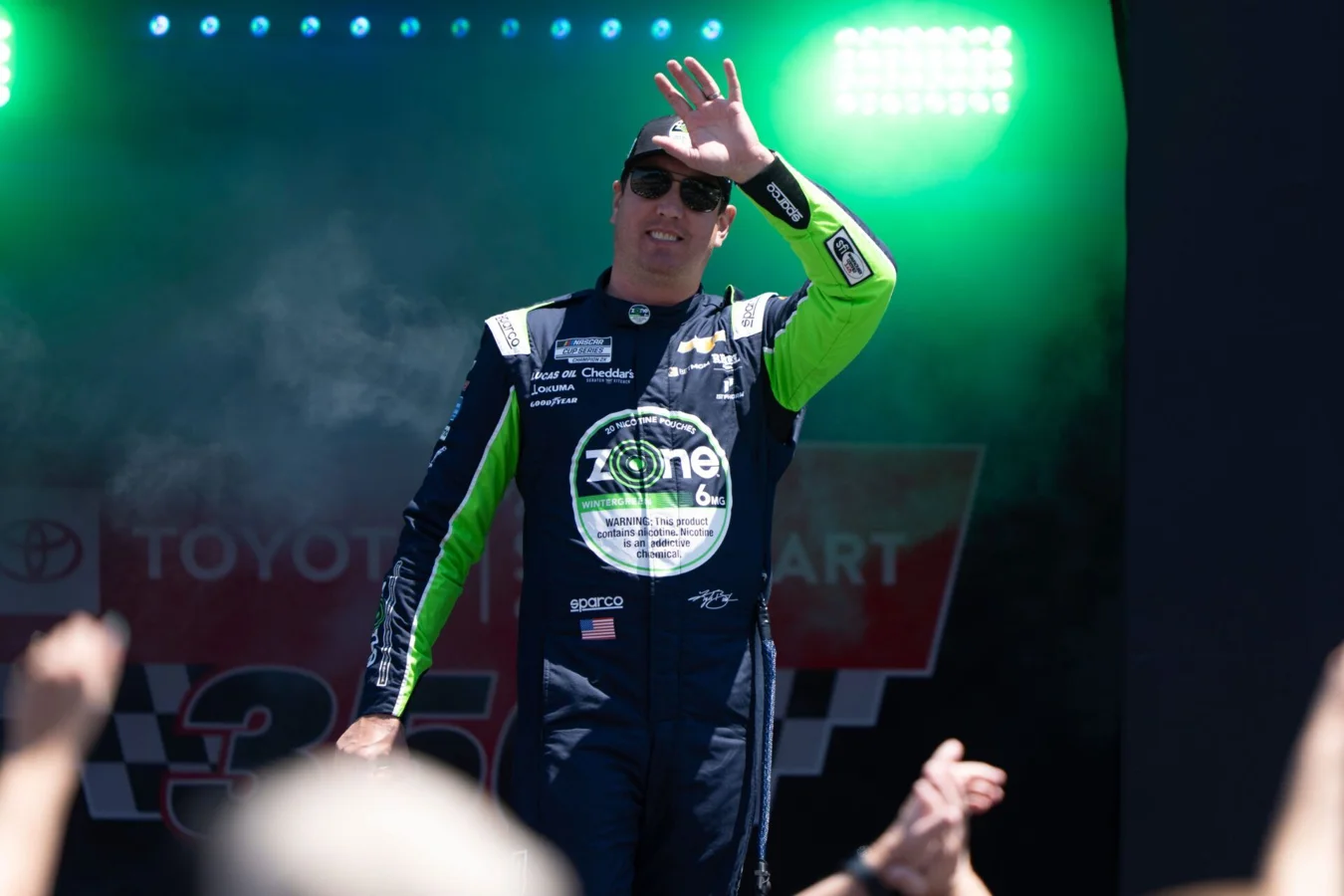
During the Brickyard 400 at Indianapolis, Christopher Bell’s aggressive move led to a collision with Zane Smith that abruptly ended Smith’s strong race. Smith began the event in 27th place but steadily climbed toward the top 15 as the race approached its final laps. On lap 162, at the second-to-last overtime restart, Bell attempted an inside pass on Smith but misjudged the timing, making contact with Smith’s No. 38 Ford. This caused Smith to spin into the outside wall and forced him to retire, while Bell continued to finish eighth.
Fan Backlash Over NASCAR’s Decision Not to Penalize Bell
NASCAR’s choice to forgo any sanctions against Christopher Bell ignited a wave of criticism on social media, particularly because the sanctioning body had recently suspended Austin Hill for one race following a similar incident in the Xfinity Series. The contrast in enforcement puzzled and angered many fans who expected consistency across racing tiers. NASCAR journalist Bob Pockrass addressed the controversy, stating,
I don’t believe people believe that was done in retaliation.
—Bob Pockrass, NASCAR Journalist
However, this clarification did little to appease critics. One fan bluntly stated,
Even if it was an accident, that was an awful move on the straightaway.
Another added,
Right hook is still a right hook. Intentional or not it’s not supposed to happen.
Supporters of Stricter Penalties Argue Safety Should Take Priority
Many fans pushed for NASCAR to focus less on a driver’s intent and more on the consequences of their actions, especially when safety is involved. One commenter emphasized the danger of Bell’s maneuver, writing,
It wasn’t retaliation. But very, very dangerous move.
Others argued that any reckless move causing a wreck should carry equal repercussions regardless of apparent intent. A frequent opinion shared was summarized as,
If you right-hook someone all on your own with no other interference, it should be the same penalty.
Criticism Widens to NASCAR’s Enforcement Approach and Rules Clarity
The frustration expressed over Bell’s non-punishment evolved into broader skepticism about NASCAR’s consistency and transparency in rule enforcement. Many fans felt the rules were often ambiguous and interpreted unevenly. One pointed critique declared,
NASCAR sanctioning body in a nutshell. Rules are open to interpretation. My god. Is it really that difficult to have a clear-cut rule that is enforced evenly across the board? Is that asking too much? Evidently, it is.
—FW Robbins, Fan
This dissatisfaction underscores ongoing concerns regarding NASCAR’s ability to apply penalties fairly across different series and situations. The debate centers on whether intent or outcome should be the primary factor in enforcement, with many arguing that safety risks require harsher and more evenly applied consequences.
Implications of the Bell-Smith Incident for NASCAR’s Future
The collision between Christopher Bell and Zane Smith continues to highlight the challenges NASCAR faces in balancing competitive racing with driver safety. The sanctioning body’s reliance on intent when assessing penalties has sparked a significant backlash from fans demanding a more straightforward and uniformly enforced rule set. Moving forward, NASCAR may need to reassess its disciplinary protocols to restore trust and ensure that all drivers are held to the same standards, regardless of series or circumstance. This controversy could prompt the organization to clarify rules and penalties to prevent similar disputes and maintain fairness on the track.