
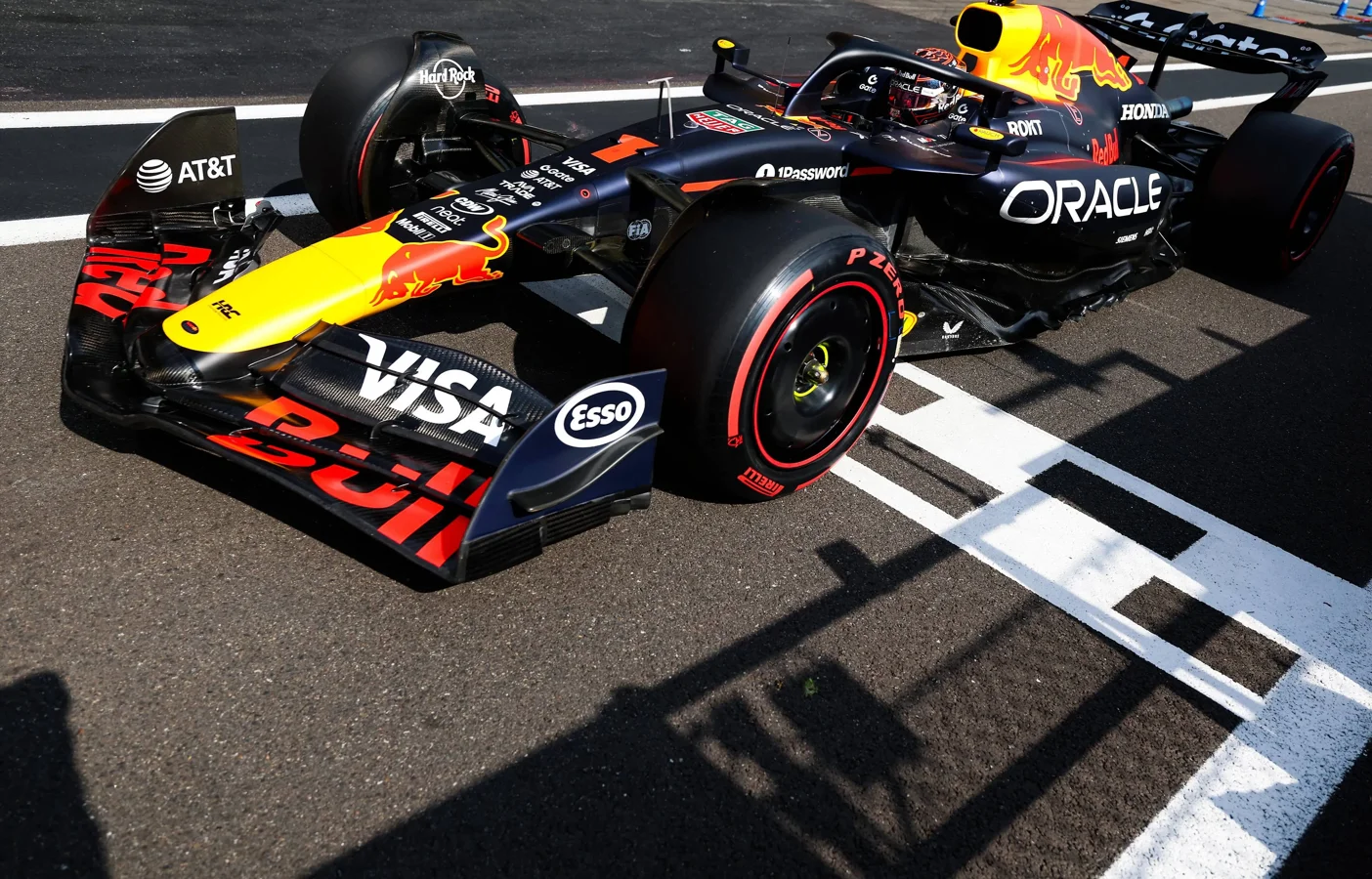

Formula 1’s private test sessions known as TPC testing, which involve running at least two-year-old cars, remain an essential part of team operations as the sport heads into the 2026 season. These test programmes, primarily designed for developing junior drivers, will continue despite significant changes to power unit supply and rising costs. The FIA TPC testing power unit costs are expected to increase sharply, impacting budgets outside the cost cap framework.
Changes in Engine Partnerships Foreshadow a Complex Testing Landscape
With 2026 marking the start of a new technical era in Formula 1, half the grid will change their engine suppliers. Sauber, soon to be Audi, will switch from Ferrari to its proprietary engines. Aston Martin will migrate from Mercedes power units to Honda, while Alpine opts to use Mercedes power units instead of its own. Red Bull and its sister team Racing Bulls will debut a new power unit developed internally at Milton Keynes. This shuffle raises questions about the continuity of TPC programmes, as older cars still use engines from previous suppliers.
FIA Imposes Two-Year Engine Supply Obligation Without Cost Restrictions
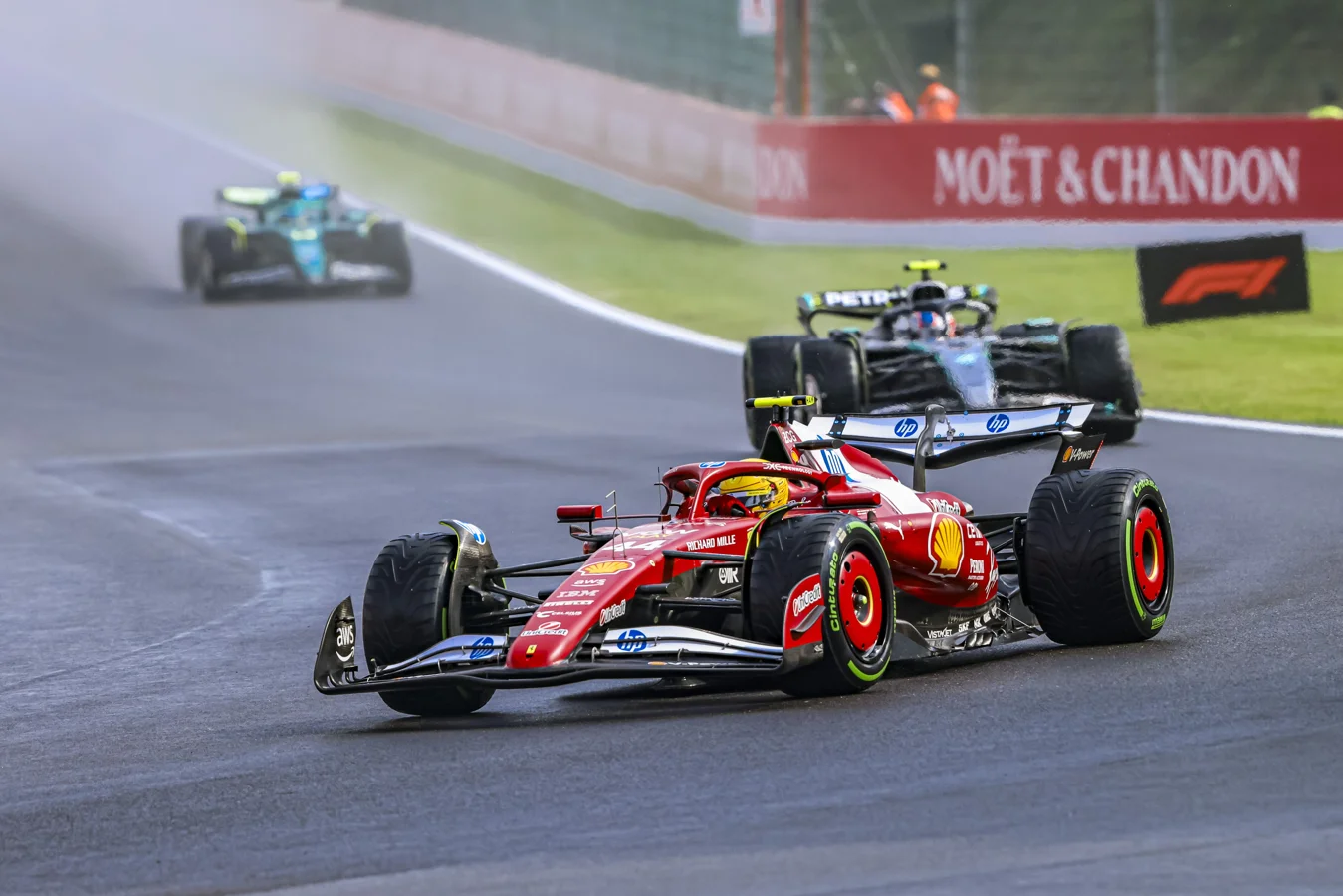
After extensive discussions, the FIA has mandated that engine suppliers whose contracts end must continue to provide power units to their former customers for two seasons, ensuring these teams can maintain their TPC testing with older machinery. However, this supply obligation comes without a fixed price cap. Because TPC testing operates beyond the official budget cap, engine suppliers are free to set their prices independently. Reports from paddock sources during the Belgian Grand Prix weekend revealed that one major supplier plans to double the current cost of power units in these tests starting in 2026.
Teams Brace for Increased Costs but See Limited Budget Impact
The expected surge in power unit costs will notably escalate expenses linked to TPC testing. Nonetheless, most teams involved do not foresee this increase as problematic since these expenditures fall outside the cost cap and should not reduce funds allocated to car development. A team insider reflected on the situation, saying,
“I don’t think it will be a problem, Any expense not included in the budget cap doesn’t seem to be an area where F1 teams are looking to save money nowadays.”
—Team insider
Supplier Responsibilities and Alpine’s Unique Position
Under the new regulations, Ferrari will be obliged to supply engines to Audi, Mercedes to Aston Martin, and Honda to Red Bull and Racing Bulls for their TPC testing programmes. Alpine, however, will have an easier task given that it plans to continue using its own power units unless the Viry-Châtillon facility completely closes its department responsible for maintaining current engines. This situation leaves Alpine’s future TPC testing costs and operations somewhat uncertain depending on the status of its engine department.
Implications for the Future of Formula 1 Testing and Development
The FIA’s decision safeguards TPC testing continuity amid sweeping technical changes, but the doubling of power unit costs introduces a new financial challenge for teams outside the limited cost cap environment. As many teams transition to new engine suppliers and power units in 2026, maintaining competitive development programmes while managing rising expenses will be critical. The formal supply obligation maintains fairness in engine access, but the evolving dynamics could influence team strategies concerning driver development and car testing in the coming seasons.