
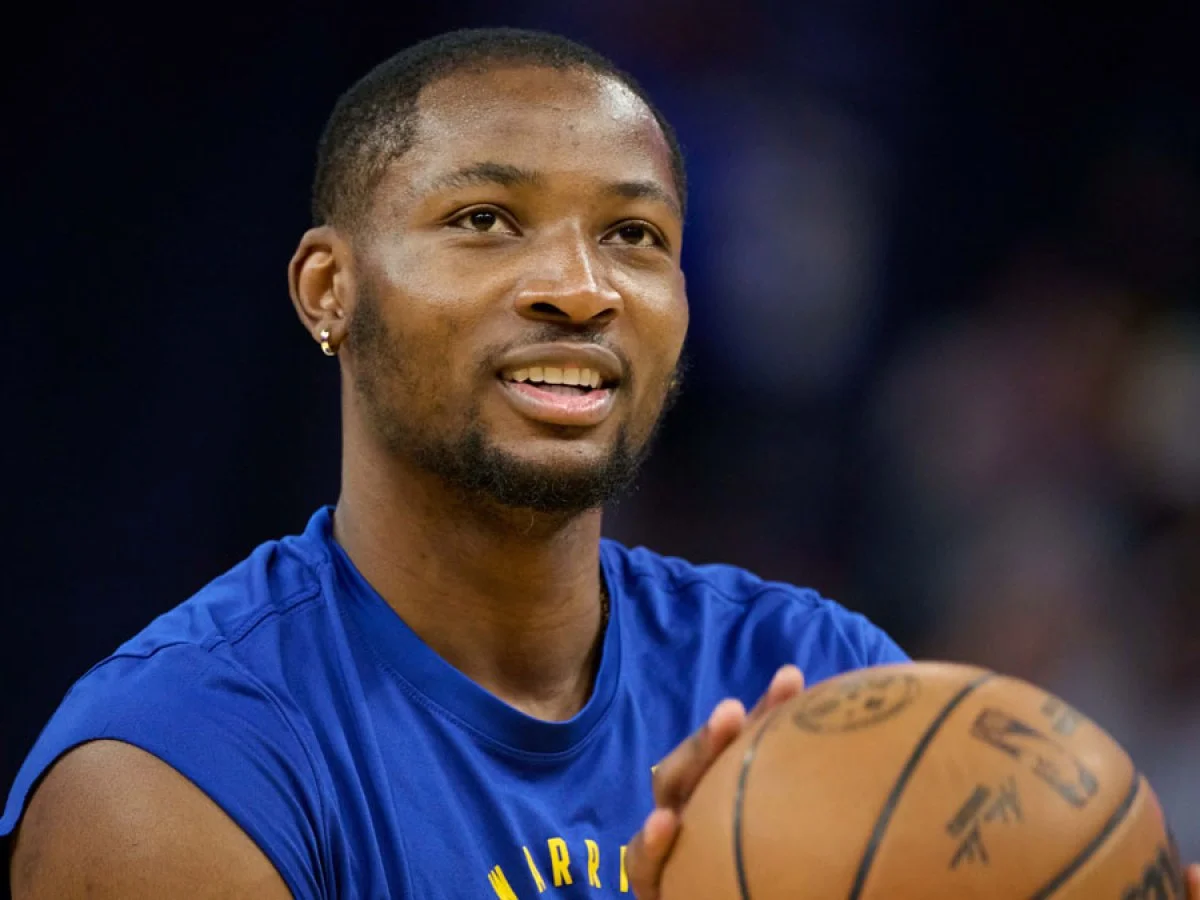

The Golden State Warriors face increasing uncertainty as the ongoing Jonathan Kuminga contract stalemate puts the team’s future plans in jeopardy. As of now, restricted free agent Kuminga can accept a one-year, $7.9 million qualifying offer, delaying a long-term commitment but potentially leading to drastic consequences for the Warriors.
Potential Outcomes Amid Kuminga’s Contract Deadlock
Restricted free agents typically resolve contract issues by signing offer sheets from other teams or through sign-and-trade agreements. Kuminga and his camp reportedly favor a sign-and-trade scenario; however, if negotiations stall into the upcoming training camp, accepting the qualifying offer may become a last-resort option. This move would make Kuminga an unrestricted free agent in 2026, but it could also leave the Warriors structurally vulnerable in roster management.
An NBA executive warned that if Kuminga opts for the qualifying offer, the Warriors’ team-building efforts would suffer significantly.
If he takes the qualifying offer, the Warriors are f–ked from a team-building standpoint, because they need to get him on a deal where they can trade him,
the executive told The Athletic’s Fred Katz. That’s the key for them.
The official also noted that many teams will have ample cap space next summer, potentially allowing Kuminga to leverage a more lucrative contract later by accepting a smaller salary now.
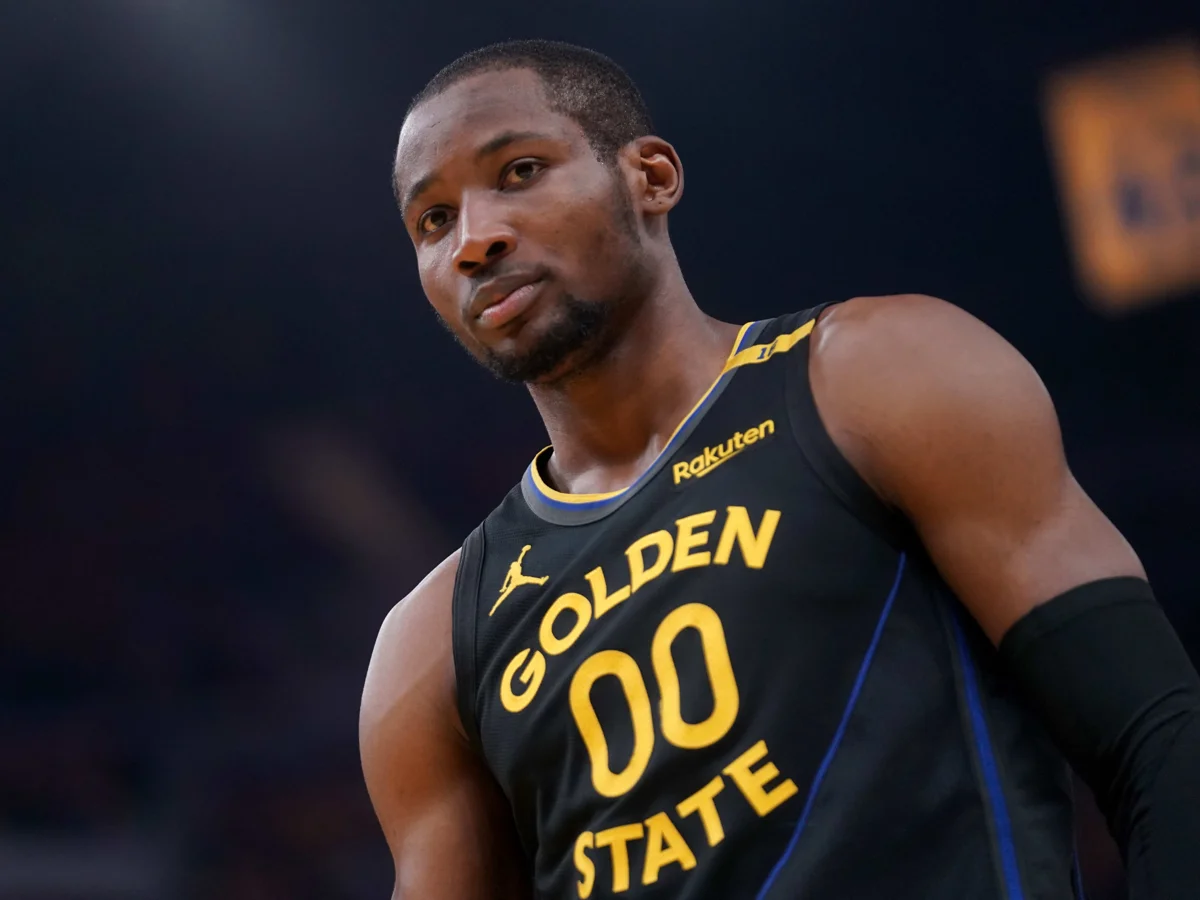
How Kuminga Holds the Power in Contract Negotiations
With his future unsettled, Kuminga effectively controls his options. The same executive emphasized,
So that’s why he could risk (a short-term deal) or the qualifying offer. (If he took the qualifying offer), there’s a few teams with cap room next summer who may strike out and have interest also,
highlighting the strategic gamble Kuminga might take to maximize his earnings in the future.
Should Kuminga accept the qualifying offer, certain teams will find trading for him more difficult, further complicating Golden State’s ability to reshape its roster. Several franchises — including the Sacramento Kings, Chicago Bulls, and Phoenix Suns — have signaled serious interest by presenting offers. However, none have met the Warriors’ demands for a first-round pick plus either expiring contracts or youthful talent. For example, The Athletic’s Sam Amick reported the Kings proposed a deal involving six-time All-Star DeMar DeRozan, which the Warriors declined. The Suns countered with an offer centered on sharpshooter Grayson Allen, but the Warriors remain firm on their conditions.
Examining the Details Behind the Contract Standoff
NBA insider Marc Stein revealed the Warriors are unwilling to exceed a two-year, $40 million contract offer for Kuminga, a figure significantly lower than what the player seeks.
Word is that the Warriors’ best offers to Kuminga have topped out in the two-year $40 million range,
Stein wrote in his The Stein Line Substack newsletter on July 28.
Kuminga reportedly aims for a deal near $30 million annually, aligning himself with other restricted free agents like Josh Giddey and Cam Thomas. Earlier reports suggested Kuminga’s camp rejected a $30 million yearly offer from Golden State, but his agent, Aaron Turner, firmly rejected those claims. Turner took to X stating,
NO one on our side was turning down 30M a year. Our camp is smarter than that. Narrative makes no sense, twisted up Slater’s words, I think! #Fakenews
Last season, Kuminga averaged 15.3 points, 4.6 rebounds, and 2.2 assists across 47 games. His reduced production reflected a diminished role following the Warriors’ acquisition of Jimmy Butler in a trade, which increased competition for playing time on the wing.
Implications of the Contract Deadlock for the Warriors
The ongoing Jonathan Kuminga contract stalemate places Golden State in a difficult position as it prepares for the upcoming season. If Kuminga opts for the qualifying offer to preserve his long-term free agency options, the Warriors may lose critical leverage in constructing a competitive roster through trades.
The team’s insistence on acquiring a first-round pick alongside valuable assets could slow deal progress, risking limited roster flexibility and unsettling team chemistry. Meanwhile, Kuminga’s demonstrated upside makes him a valuable asset, but the impasse highlights how contract disagreements can complicate franchise planning. How this situation resolves will likely influence both Kuminga’s career trajectory and Golden State’s strategies for retaining championship contention.