
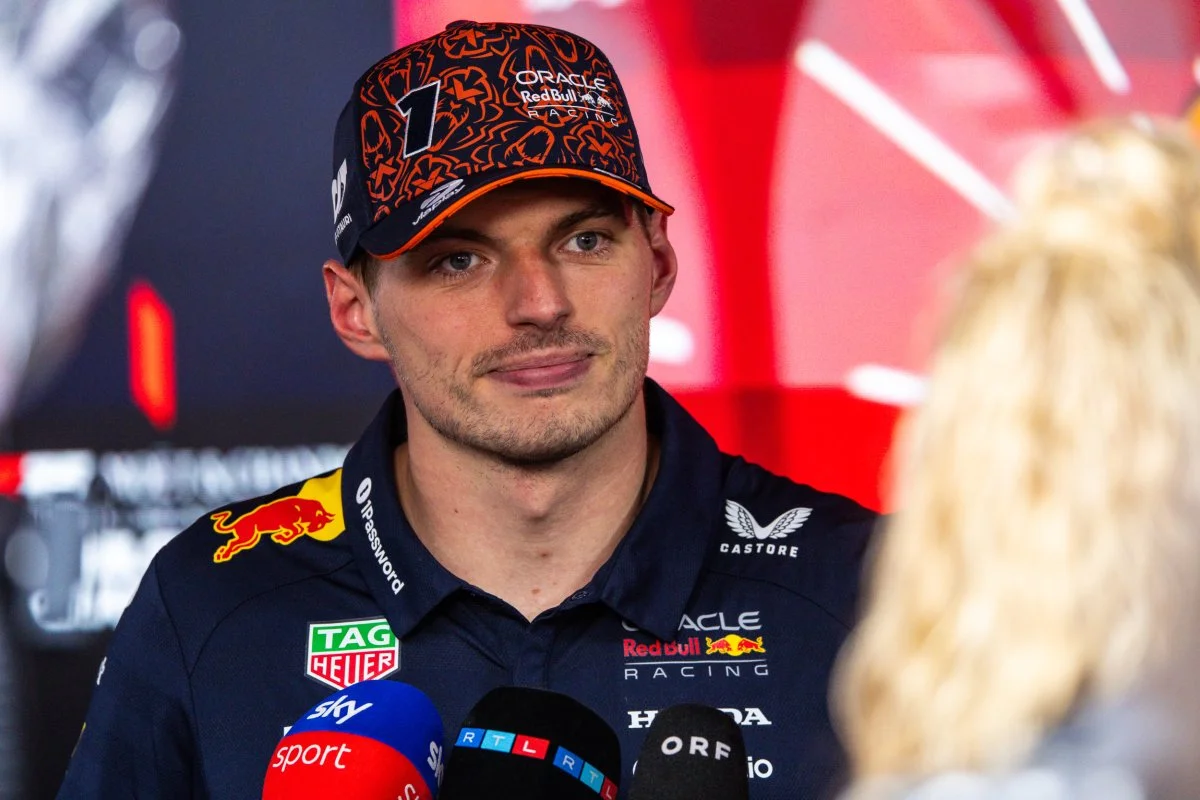

The Belgian Grand Prix ignited fresh controversy in Formula 1 over safety concerns during a heavily delayed start caused by severe weather conditions. Max Verstappen openly condemned the FIA’s lengthy race suspension, fueling debate at Spa-Francorchamps, while George Russell strongly defended the officials‘ cautious approach, emphasizing driver safety amid challenging visibility. The Max Verstappen Belgian GP controversy highlights the tension between competitive desire and prudent decision-making in extreme conditions.
Weather Delays and Track Dangers Spark Disagreement
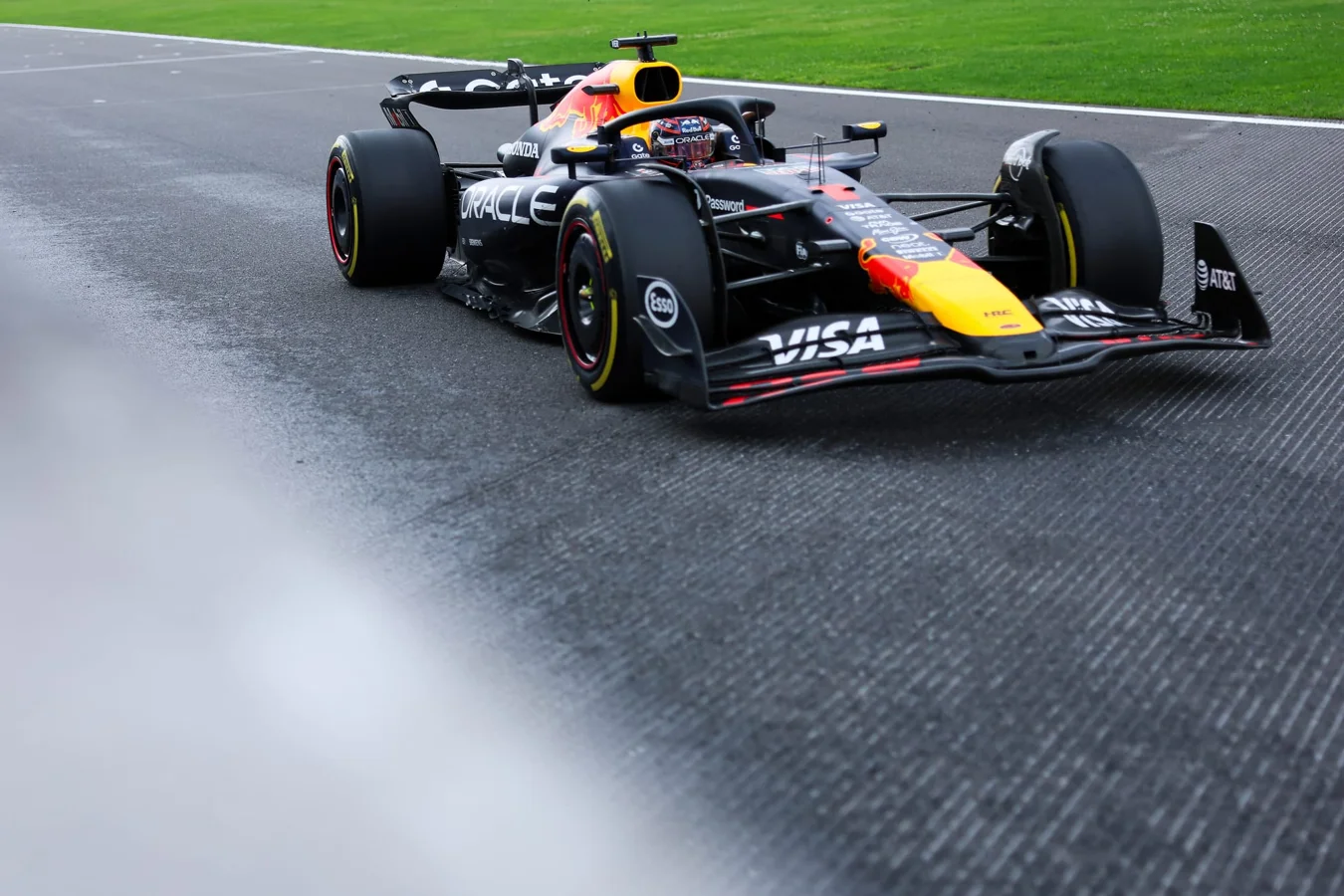
Spa-Francorchamps, one of the fastest and most perilous circuits on the F1 calendar, was drenched by heavy rain on race day, severely reducing visibility. As conditions worsened, the FIA delayed the race start by over an hour, opting for a rolling start once the track was deemed somewhat safer. This decision faced criticism from several drivers, notably Max Verstappen, who argued that waiting was unnecessary and expressed frustrations over what he perceived as overly cautious race control.
Verstappen suggested that such delays could diminish the excitement of wet races, a feature beloved by many fans and drivers alike. Lewis Hamilton shared this sentiment, voicing his disappointment with the FIA’s management of the situation. However, the leadership of teams such as Ferrari and McLaren came out in support of the FIA’s cautious tactics, highlighting the importance of making safety the priority.
George Russell Defends FIA’s Safety Protocols
Contrasting Verstappen’s criticism, George Russell provided a detailed explanation for the FIA’s delay, underscoring the extreme danger posed by racing in such conditions at Spa. Russell stressed that while every driver loves racing in the rain, attempting to navigate at speeds exceeding 200 miles per hour through the Eau Rouge section with poor visibility is effectively like racing blindfolded, risking catastrophic outcomes.
“As a racer, you always want to get going. You love driving in the rain. But the fact is, when you’re doing over 200 miles an hour out of Eau Rouge, you literally cannot see anything; you may as well have a blindfold on. It isn’t racing, it’s just stupidity.”
—George Russell, as quoted by Motorsport.com
Russell’s comments point to the fine balance the FIA must maintain: respecting drivers’ passion for competition while protecting their lives in hazardous situations. His blunt assessment underlines why the officials chose to postpone the start rather than risk a dangerous incident on a notoriously unforgiving track.
Mercedes’ Struggles Amidst the New Era and Driver Performances
Amid the volatile unfolding of the Belgian GP, external factors continue to affect driver performances at Mercedes. The team currently occupies a difficult mid-tier position in Formula 1’s ground-effect era, ahead of midfield rivals but trailing elite teams like Red Bull and McLaren. This creates challenges for George Russell and teammate Kimi Antonelli as they aim for podium finishes despite their car’s limitations.
Mercedes engineering chief Andrew Shovlin highlighted Russell’s ability to maximize the car’s potential by drawing on his extensive experience, a skill that proved instrumental in Russell’s victory at the Canadian Grand Prix earlier in the season. In contrast, rookie Antonelli is still adapting to the intensity and demands of F1 racing, reflecting a gap in experience that influences their respective results.
“I think what you’ve seen in the recent qualifyings is that George is leaning on his many years of experience in an F1 car to try and make the most of a difficult car. Kimi hasn’t got that to drop back on, and that’s probably why you’ve seen a bit of a shift in his results recently.”
—Andrew Shovlin, Mercedes Engineering Chief, as quoted by Motorsport.com
Historical Risks at Spa and the Importance of Caution
Spa-Francorchamps has a tragic history of dangerous racing conditions, underscored by the fatal accident of Formula 2 driver Anthoine Hubert in 2019. This legacy reinforces the need for strict safety measures whenever weather or track conditions deteriorate. Russell’s and the officials’ caution at the Belgian GP recalls these risks, emphasizing that patience and delay are preferable to rushing a race and endangering lives.
The events of this weekend serve as a reminder of the challenges the FIA faces in balancing sport integrity, fan expectations, and driver protection. As Formula 1 continues to evolve technologically and competitively, conversations around safety protocols—especially in unpredictable weather—will remain a critical part of the sport’s future decision-making process.