
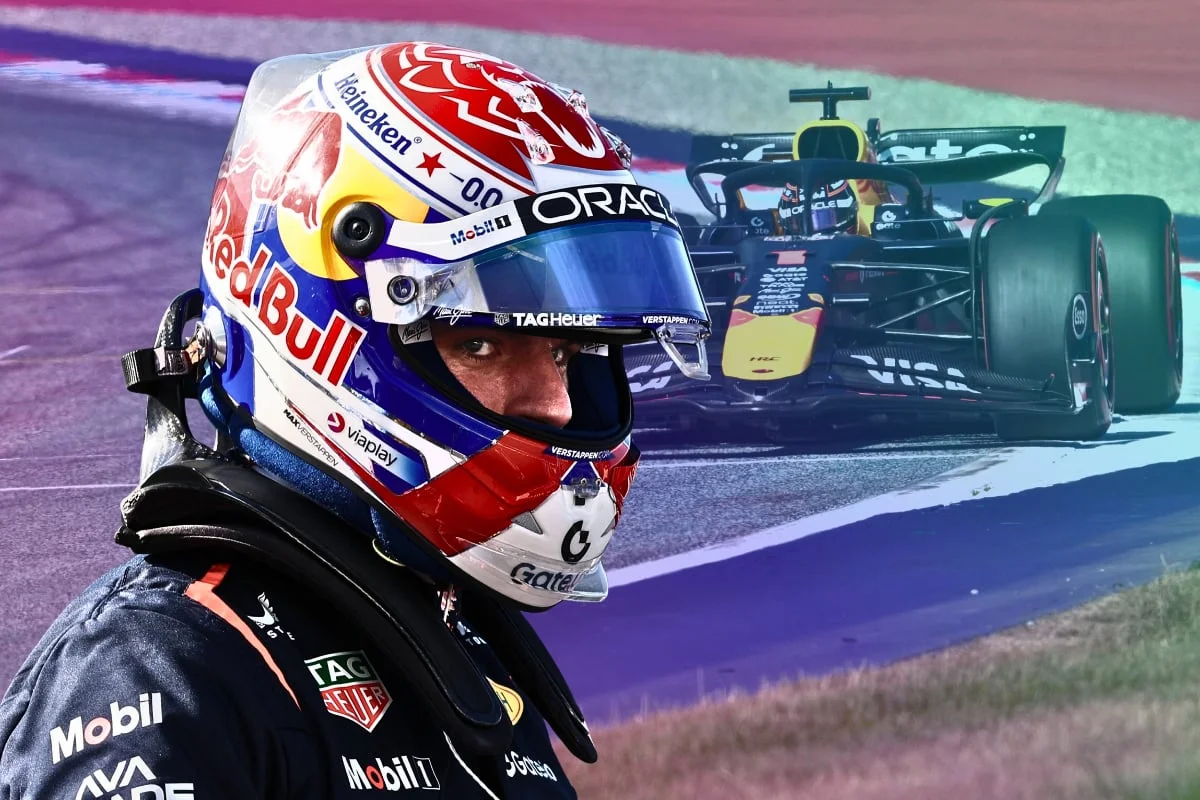

Red Bull Racing surprised the motorsport world in the aftermath of the British Grand Prix by parting ways with team principal Christian Horner amid internal unrest and rumors about Max Verstappen potentially moving to a rival team. This dramatic decision came just before the Belgian Grand Prix, where Laurent Mekies took over leadership, signaling a new chapter for the Austrian outfit. Former Formula 1 driver Ralf Schumacher has described this managerial change as a remarkable decision, especially in light of Max Verstappen’s ongoing relationship with the team.
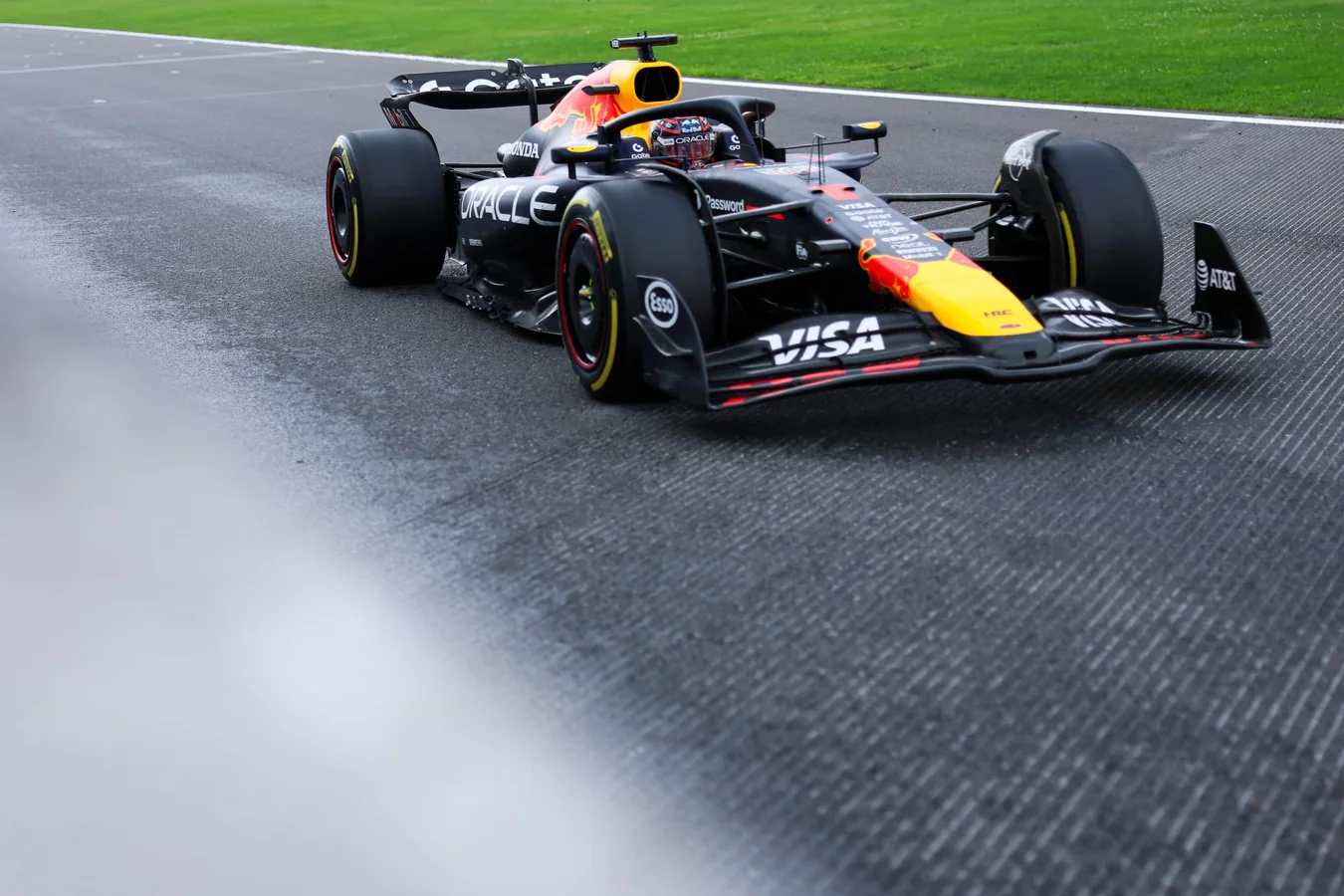
During the Belgian Grand Prix weekend at Spa-Francorchamps, Red Bull and Verstappen showed mixed results. The Dutch driver excelled in the Sprint race on Saturday, securing a keenly fought victory, yet struggled to replicate that performance in Sunday’s main event. Still, Schumacher noted tangible shifts within the Red Bull environment during this first race weekend without Horner, underlining a noticeable change in team dynamics and morale.
Significance of Christian Horner’s Departure and Appointment of Laurent Mekies
Ralf Schumacher emphasized that Red Bull’s decision to replace Christian Horner with Laurent Mekies was an “extraordinary move” orchestrated by the parent company’s leadership, including figures such as Oliver Mintzlaff and Mark Mateschitz. Schumacher explained that this change prompted an almost immediate uplift in the team’s atmosphere and the way members approached race weekends. Importantly, he suggested that this renewed spirit extended to Max Verstappen himself, who had never raced for any team other than Red Bull throughout his career.
“I think Red Bull has made an extraordinarily good move, in this case from Oliver Mintzlaff and Mark Mateschitz, by bringing Mekies into this position now. It has triggered something within the team, and that has done something to the team. You can hear that the mood is very different in such a short time. The approach is different. And you have to remember that Max Verstappen has never been on another team in his career. He owes everything to Red Bull. So he makes it anything but easy for himself.”
— Ralf Schumacher, former F1 driver, Backstage Boxengasse podcast
This sentiment suggests that leadership plays a crucial role in the energy and cohesion within a Formula 1 team, and that the structural rethink at Red Bull could be pivotal in stabilizing their competitive edge during a turbulent period.
Uncertainty Surrounding Max Verstappen’s Commitment to Red Bull
Max Verstappen’s loyalty to Red Bull had been called into question in recent months amid intense speculation linking him with a switch to Mercedes. Reports indicated Verstappen’s dissatisfaction with the team’s internal functioning, particularly issues related to Horner’s management style. The suggestion was that Verstappen might prefer a fresh environment, potentially elsewhere, if improvements were not made within Milton Keynes headquarters.
However, Ralf Schumacher provided a different perspective, highlighting Verstappen’s unique bond with Red Bull that shaped his entire racing career. Schumacher theorized that Verstappen’s desire to leave was closely connected to the internal problems that began surfacing in the team, rather than a genuine wish to race for another outfit.
“Maybe he [Max Verstappen] doesn’t necessarily want to leave either. And I can imagine that if everything is fine here, he asks himself: Why should I leave? I don’t think that was entirely his wish. It only led to it because the car was no longer working so well. There were problems, and internally, the atmosphere was suddenly not so good.”
— Ralf Schumacher, former F1 driver
Schumacher’s comments imply that resolving Red Bull’s internal struggles is key to securing Verstappen’s future, mitigating the risk of losing the reigning world champion to rivals. The recent management change and shift in team culture may have alleviated his concerns, reinforcing his connection to the team and its values.
The Impact of a Renewed Team Atmosphere on Verstappen’s Decision
With Christian Horner’s departure marking a fresh start, Red Bull Racing appears focused on rebuilding a positive environment that could reinforce Verstappen’s commitment. Laurent Mekies, entrusted with steering the team back onto a successful path, faces the task of maintaining morale and performance consistency, which will be crucial for retaining the sport’s leading talent.
The Belgian Grand Prix weekend illustrated the potential benefits of this management shift, even though Verstappen’s performance in the main race was lackluster compared to his Sprint victory. The positive change in mood inside the Red Bull garage is visible, and the team hopes this momentum can translate into stronger race-day results moving forward.
As the 27-year-old Dutchman stands as the cornerstone of Red Bull’s future ambitions, keeping Verstappen satisfied and focused on success is paramount. The recent modifications suggest this goal is within reach, especially after shaking up leadership to address the internal tensions affecting performance and driver satisfaction.
Looking Ahead: Stability and Competitiveness for Red Bull
Red Bull Racing’s decisive action to chase out Horner was aimed at securing a more harmonious atmosphere and preventing the loss of their star driver. By entrusting Laurent Mekies with leadership duties, the team aims to restore cohesion and sharpen its focus on championship pursuits. Verstappen’s potential departure rumors have significantly dimmed following these changes, making his continued presence at Red Bull a more likely scenario for the next season.
Given Verstappen’s critical role in the team’s formula for success, retaining him is essential for Red Bull’s competitiveness. The way the team settles into its new leadership and how it performs in the upcoming grands prix will likely determine whether Verstappen’s relationship with Red Bull solidifies further or once again comes into question.