
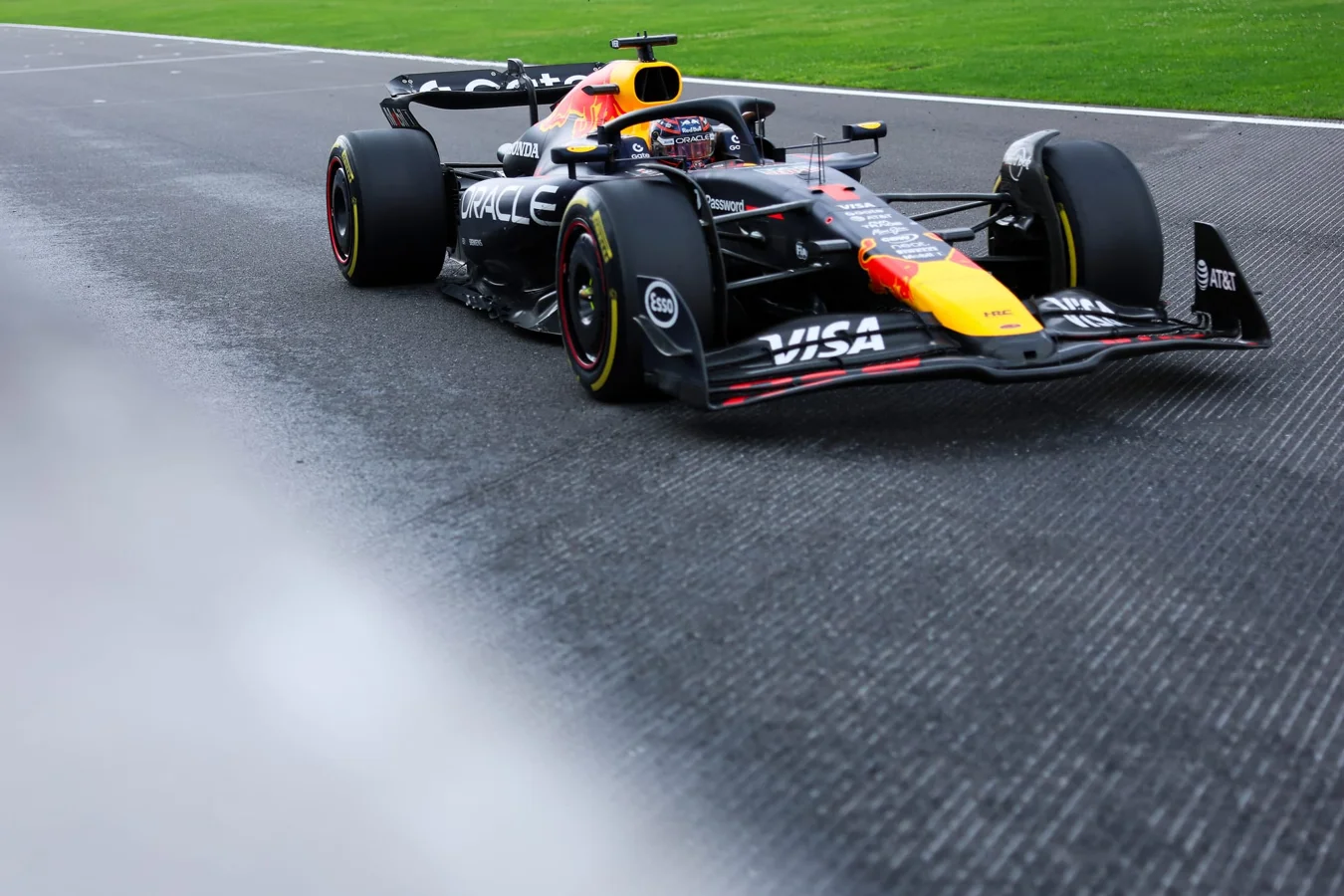

The 2023-2024 Formula 1 offseason was historic for having zero driver changes across all teams, a unique occurrence in the sport’s history. However, this calm ended quickly when Ferrari announced a major driver swap in February 2024, a move that directly affected the emerging driver touted as the next Max Verstappen replacement struggles to establish himself at Mercedes.
Lewis Hamilton, the seven-time world champion, confirmed he would leave Mercedes after the 2024 season to join Ferrari, replacing Carlos Sainz Jr. alongside Charles Leclerc. This switch ends Hamilton’s 12-year reign with Mercedes, a partnership considered one of the most successful in Formula 1 history. The deal he signed offers a two-year contract worth $87 million for 2025 and 2026, with a significant portion funding his Mission 44 initiative and an additional $272 million fund created by Ferrari’s parent company, Exor, for his long-term ambassador role. This $446 million equivalent deal, akin to a massive NIL agreement, triggered a domino effect that now overshadows the new driver stepping into Hamilton’s seat.
Rookie Kimi Antonelli’s Difficult Start at Mercedes
With tensions rising around Red Bull Racing and its principal Christian Horner, Mercedes CEO Toto Wolff briefly considered Max Verstappen, the reigning world champion under contract until 2028, as a potential successor to Hamilton. Verstappen ultimately stayed with Red Bull, closing that option. Mercedes then looked inward rather than pursuing Carlos Sainz, who many felt was unfairly displaced by Hamilton’s move to Ferrari, opting to promote their promising rook, Kimi Antonelli.
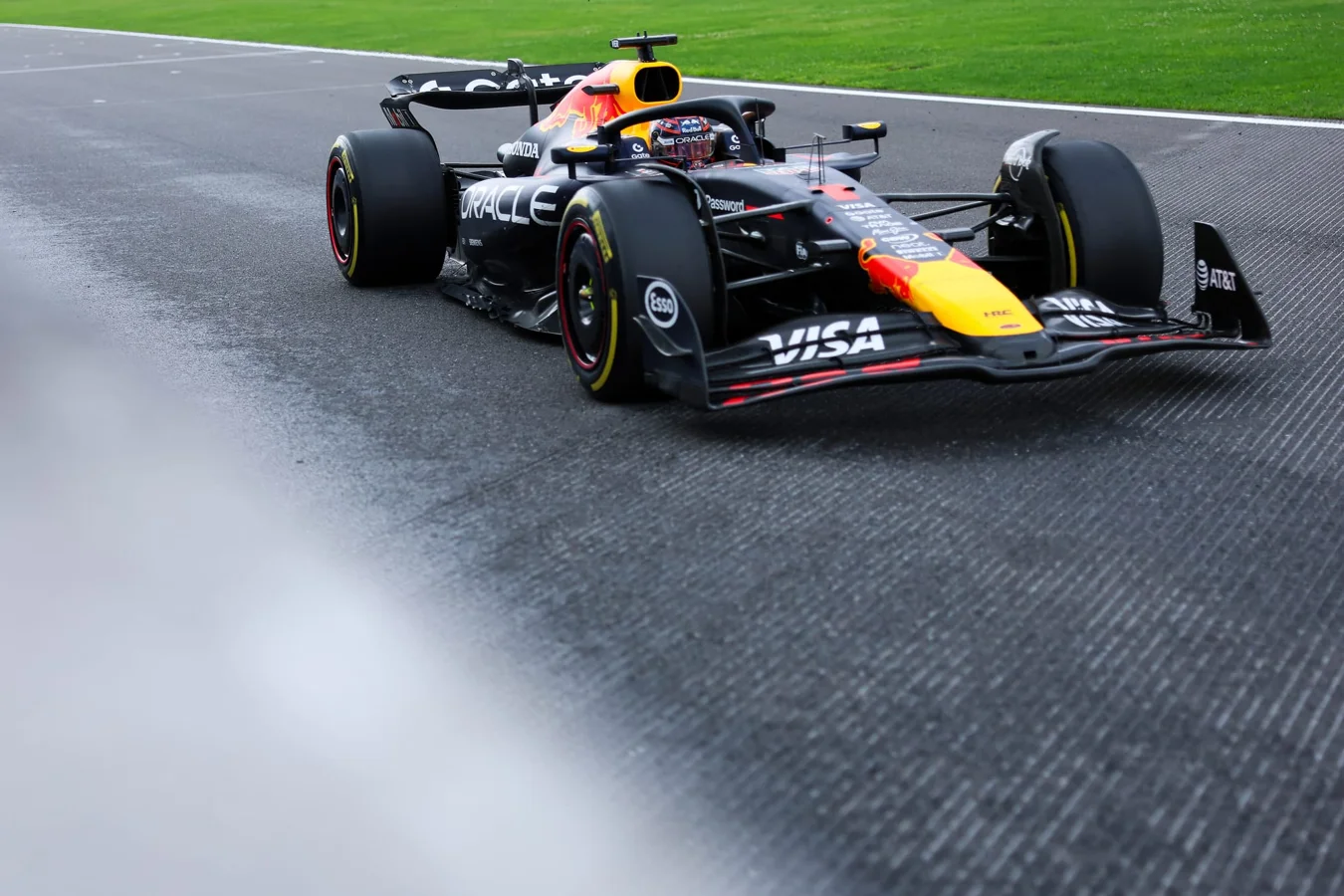
The 18-year-old Antonelli, tagged by media as the next Max Verstappen, took over Hamilton’s seat, marking the first rookie to join a top-tier Formula 1 team immediately since Hamilton’s own debut with McLaren in 2007. Although a remarkable opportunity, questions about Antonelli’s readiness rapidly grew, especially when shared with teammate George Russell, who had comfortably outperformed Hamilton in two of their three seasons together. Rookie drivers face immense pressure, and competing against an established, highly skilled teammate like Russell only amplified those challenges.
Antonelli’s recent races have highlighted these difficulties, with an especially poor weekend at Spa where his performance faltered in sprint qualifying, the sprint race, and Grand Prix sessions, resulting in visible emotional distress. Over the past seven race weekends, Antonelli managed to score points only once, while retiring in four events. His two other races without points saw him finish at least five places behind his earlier results from the first six races of the season. Despite recording 15 points, including an impressive podium in Canada, Antonelli ranks just 13th overall for points over that span, behind drivers like Isack Hadjar and Liam Lawson. Meanwhile, George Russell has outpaced him 79 to 15 points during the same period, scoring points in six of seven races.
The Burden and Reality of the ‘Next Verstappen’ Tag
The label of ‘next Max Verstappen’ imposed on Antonelli has been revealed as unjust and overwhelming. Expecting a then-17-year-old with no Formula 1 experience to meet the heights set by Verstappen was an enormous challenge. This media-driven title seemed partly born from frustration with Verstappen’s dominance, as pundits and fans searched for the next sensation, increasing unrealistic expectations on Antonelli.
Adding to the uncertainty are ongoing rumors about Verstappen possibly joining Mercedes by 2026. While earlier speculation suggested he might replace George Russell, those reports have lost clarity. Verstappen currently cannot activate a performance clause to exit his Red Bull contract before 2026, but as often happens in F1, contracts can be renegotiated or bought out if negotiation succeeds among parties.
Antonelli’s career trajectory might have benefited from more gradual development. Critics argue he needed at least one season with a mid-field team to build experience before stepping into a championship-caliber car. George Russell’s path illustrates this, spending three years with Williams before joining Mercedes, allowing time to mature as a driver. If Red Bull had prioritized signing Carlos Sainz rather than retaining Sergio Perez for 2024, the second Williams seat alongside Alexander Albon might have opened, potentially serving as an entry point for Antonelli under Mercedes’ broader strategy led by Toto Wolff and former colleague James Vowles.
It’s worth considering how different Russell’s early career might have been if he had been thrust into a top team alongside Hamilton as a rookie in 2019. The experience shows that rushing talent too soon can hinder growth. Now, Antonelli faces the critical challenge of regaining confidence quickly or risking replacement before establishing his Formula 1 career.